You know, the universe is a wild place. I mean, just the other day, I found myself staring at the night sky, wondering if we’re all just tiny specks on a giant cosmic marble.
Imagine this: you’re chilling under the stars, and suddenly, a shooting star zips by. You’d think it’s cliché, but it totally feels magical!
That kind of wonder is exactly what places like the Chabot Planetarium are all about. It’s not just some dusty old science spot; it’s where dreams blast off into space!
From mind-blowing shows to hands-on exhibits, it’s like a portal to galaxies far away. Seriously, they spark curiosity in ways that make you feel like a kid again.
So let’s chat about how this awesome place is inspiring futures in science and space. Buckle up!
Exploring the Chabot Space Center: A Must-Visit Destination for Science Enthusiasts
You know, if you’re ever in the mood to geek out a bit about space and science, the Chabot Space Center could be just the spot. Seriously, this place is like a treasure chest of cosmic wonders. It’s not just a planetarium; it’s a full-on experience that aims to spark your imagination about our universe.
Location and Accessibility
First off, it’s nestled in the hills of Oakland, California. That alone gives it some pretty awesome views! The center is easy to get to if you’re driving or even on public transport. Just a heads up: parking can get tight during busy weekends, so plan ahead if you can.
What You’ll See
When you walk in, you’re greeted by displays that seem almost alive. You’ve got interactive exhibits that let you play around with concepts like gravity and light speed. It’s not just for kids either! You’ll find yourself lost in the fun as you fiddle with things that teach serious science without feeling like you’re hitting the books.
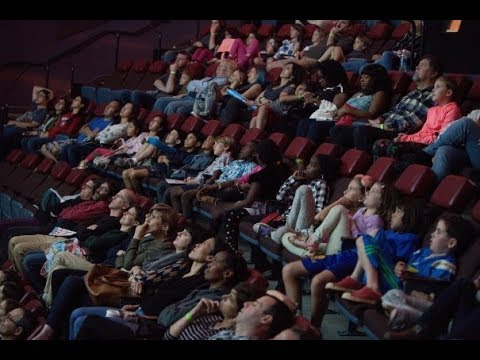
They have this cool feature called the immersive dome theater. Imagine sitting back in a big comfy seat while stars swirl around you on a massive screen. It’s like being shot into space without having to deal with rocket fuel or zero gravity—definitely one of those “wow” moments!
Astronomy Programs
One of the best parts? The programs they offer! There are all sorts of talks and presentations about everything from black holes to new missions to Mars. Ever wanted to know what it feels like to be an astronaut? They’ve got sessions where real scientists share their experiences and passion for exploration.
The center also hosts telescope viewing nights. If conditions are right, you’ll get to see planets through these massive telescopes that make everything look super clear—like you’re practically touching them! Just think about it: peering through glass at Jupiter’s stripes or Saturn’s rings? Mind-blowing!
Community Engagement
But it’s not all just fun and games; Chabot also focuses on inspiring futures in science. They run educational programs aimed at school groups and families alike. The aim is simple: make science accessible and exciting for everyone! You might catch workshops where kids can build rockets or even explore coding through robotics.
There’s something pretty special about witnessing young minds lighting up when they grasp complex ideas or make their own discoveries. It’s really heartwarming stuff!
Takeaway
So whether you’re heading there to learn something new, indulge your curiosity about outer space, or just hang out with friends who share your love of science, Chabot Space Center surely has something for everyone involved in all sorts of interests natural sciences.
In short, this isn’t just another museum; it’s a vibrant hub crafted for discovery and inspiration—and who doesn’t love that? If you’re into science—even just a little—you’ll walk away feeling energized by what lies beyond our planet!
Exploring the Popularity of the Chabot Space and Science Center: A Hub for Science Enthusiasts
The Chabot Space and Science Center is a pretty cool place if you’re into science and space. Located in Oakland, California, it serves as a hub for those curious about the universe. You can think of it like a playground for the mind where kids and adults alike can explore all things cosmic.
One of the reasons Chabot is so popular is its interactive exhibits. You don’t just look at stuff—you get to touch things, play with science experiments, and engage with technology. Imagine standing in front of a giant screen that shows real-time images from telescopes, or playing with models that explain how rockets work. It’s all designed to make learning feel less like school and more like fun.
The planetarium is another big draw. When you step inside, it feels like being transported to another world. The dome overhead projects stunning visuals of stars, galaxies, and various celestial bodies. And there’s always an engaging presentation going on. Whether it’s about black holes or the latest discoveries in astronomy, it’s not just entertaining—it’s educational too!
Also worth mentioning is their commitment to community outreach. They host events that welcome families and schools. This means kids who might not have access to science resources at home can come here and experience the wonders of space firsthand. For many young people, this exposure can spark an interest that lasts a lifetime.
You know what’s really amazing? The stories people share after visiting Chabot. Like one time, I overheard a dad talking about how his daughter had become obsessed with space science after their trip there. She’d already started reading books about astronauts! Those kinds of moments are what make places like this so special.
On top of all that, Chabot provides educational programs for schools too. Imagine your classroom doing hands-on science lessons at a place where learning isn’t just confined to textbooks! This approach really helps students grasp complicated concepts—a bit more exciting than regular lectures for sure.
So when we talk about why Chabot has become such a favorite spot—it’s all about creating experiences that inspire curiosity while making science accessible and exciting for everyone involved! You get knowledge wrapped up in fun; that’s definitely worth celebrating!
Understanding the Duration of Planetarium Shows: A Guide to Time and Science
So, you know when you go to a planetarium, and you settle into those cozy seats, waiting for the show to begin? You’re probably wondering how long it’s gonna be, right? Well, the duration of planetarium shows can vary quite a bit, and there’s some science behind that.
First off, most planetarium shows last anywhere from **30 minutes to an hour**. It’s like choosing between a quick snack and a full meal. Some shows are designed for a quick overview of the night sky or a specific topic, while others dive deeper into complex themes like black holes or the formation of galaxies.
The length often depends on the content being presented. If it’s more educational—like explaining how stars are born—you might find yourself sitting there for longer. Conversely, if it’s mainly visuals with music and fewer details, it could be shorter. Each planetarium has its own style and pacing.
Another thing you might not think about is the audience. Planetariums often cater to different age groups. A show aimed at kids might be shorter with lots of colorful graphics and fun facts to keep their attention. Imagine little ones gazing in awe at twinkling stars; they wouldn’t sit still for an hour-long lecture! On the flip side, adult audiences may enjoy richer narratives that explore scientific concepts more thoroughly.
And let’s talk about interactivity. Some modern planetariums include interactive elements where audiences can ask questions or participate in discussions after the show. This means that while the main presentation might take half an hour, you could end up spending another hour chatting afterward.
Timing also plays a role in planning events at these venues. Like any good showbiz people will tell you—it’s all about keeping things running smoothly! If they’re offering multiple shows in one day, they need to consider transitions between them too.
Oh! And here’s something interesting: many planetariums use advanced technology that allows them to manipulate time during presentations (not literally time travel!). They can speed up or slow down visuals to fit their narrative style or enhance dramatic moments in storytelling. So even if something is just fifteen minutes long on paper, it could feel like an epic journey through space while you’re watching!
In summary:
- Typical durations: 30 minutes to 1 hour.
- Content type: Educational vs. visual experiences.
- Audience age: Kids enjoy shorter shows; adults may prefer deeper dives.
- Interactivity: Post-show discussions can extend your total time spent.
- Technology: Visual manipulation changes perception of time.
So next time you’re at a planetarium and settle in for a cosmic journey, just remember: there’s a lot going on behind those scenes when it comes to deciding how long that magical experience is going to last!
You know, I remember the first time I stepped into a planetarium. The dark room, the stars twinkling on the dome above—it kinda felt like magic. I stared up in awe, like a kid who just discovered ice cream for the first time! That feeling of wonder is so crucial when we’re talking about inspiring futures in science and space.
Take the Chabot Planetarium, for instance. It’s more than just a place to watch shows about the stars. It’s this hub of curiosity—a spot where young minds can get pulled into the universe’s mysteries. Kids and adults alike enter with questions like “What’s out there?” or “How does all this work?” And they leave with that spark—the desire to learn more, explore more.
Imagine being a little one watching a simulation of a black hole swallowing stars or learning about Mars rovers zooming across another planet. Those experiences stick with you! They ignite interests that can lead to careers in science, technology, engineering, and math (STEM). You might even find yourself studying astrophysics years later because of that moment spent under those artificial stars.
And let’s not forget how inclusive these places strive to be. They work hard to make sure everyone feels represented and welcomed in discussions about space. Young girls seeing women scientists on screen or kids from all backgrounds recognizing themselves in space exploration stories? That’s powerful stuff! It tells them: “Hey, you can do this too!”
Plus, it’s not just about astronomy; it’s about critical thinking skills and understanding our planet—all hands-on stuff that helps shape how we look at challenges today. When you think about environmental issues or technological advances, it’s pretty cool how something as simple as visiting a planetarium can get someone thinking outside the box.
So yeah, places like Chabot Planetarium don’t just teach facts; they inspire dreams. And who knows? The next astronaut might just be sitting there right now, staring up at those shining lights, their eyes sparkling with possibilities. You follow me? That sense of wonder is what turns a fleeting interest into a lifelong passion for discovery.