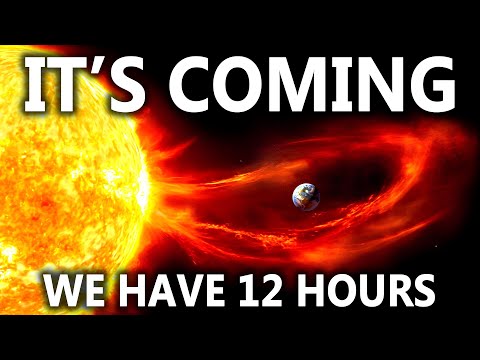
Did you know that the sun is kinda like that friend who can be super chill one day and then totally unpredictable the next? Seriously! One minute it’s all sunny vibes, and the next, boom! Solar flares throwing off huge bursts of energy.
So, picture this: you’re chilling outside, enjoying a nice day, and outta nowhere, the sky lights up with auroras. Pretty cool right? That’s space weather getting wild!
Anyway, if you’re into what’s happening out there in the cosmos—like solar winds or magnetic storms—you’re in for a treat. Keep your eyes peeled because we’re diving into some live updates on space weather!
It’s not just for scientists; it’s for anyone who gets a kick out of understanding our universe a little better. You follow me? Let’s ride those waves of cosmic energy together!
Discovering Real-Time Space Weather Data: Essential Resources for Scientists and Enthusiasts
So, you’re curious about real-time space weather data? That’s super intriguing! Space weather can actually have a big impact on us here on Earth. It can mess with satellites, disrupt power grids, and even affect our communications. Let’s break this down in a way that makes sense.
First things first, what is space weather? Basically, it’s all about what’s happening on the Sun and how it affects the solar system. When the Sun unleashes energy through things like solar flares or coronal mass ejections (CMEs), it sends charged particles our way. These can create beautiful auroras but also cause problems for technology.
Now let me tell you why having access to real-time data is crucial for both scientists and enthusiasts. When you can track these solar events as they happen, you get a sense of their intensity and direction. This information helps in predicting their effects—on satellites, power systems, and even flights at high altitudes.
There are several resources available that provide this kind of real-time data:
- NOAA Space Weather Prediction Center: A key player in providing forecasts and warnings about solar activity.
- NASA: They offer fantastic real-time observations from various missions studying the Sun.
- ACE (Advanced Composition Explorer): This satellite provides continuous measurements of particles from the solar wind.
- SWPC Alerts: If you’re really into it, you can sign up for alerts to get notifications right to your phone or email!
Now consider this: imagine you’re an amateur astronomer waiting for the perfect night to catch some stunning views of the Northern Lights. Knowing when a solar storm is brewing means you could plan your stargazing for when conditions are just right! How cool is that?
Another neat aspect is how community-driven some resources are. Sites like SpaceWeather.com bring together contributions from amateurs who monitor cosmic events daily. So not only do scientists benefit from these updates but regular folks like you can geek out over stellar happenings too!
You might also want to explore apps that keep you posted on space weather updates in real time. Using them helps enthusiasts get immediate access to valuable info without needing a degree in astrophysics.
So there it is—real-time space weather data isn’t just for scientists; it’s essential knowledge that connects all of us to the cosmos above our heads. Understanding what’s happening with our Sun helps us appreciate its beauty while being aware of its effects here on Earth!
Analyzing the Potential Impact of the 2025 Solar Flare: Strength and Implications for Science
So, solar flares, right? These massive bursts of energy erupting from the sun can have some pretty interesting effects on our planet. The **2025 solar flare** is something that scientists are keenly observing because it could potentially have big impacts for us down here on Earth.
You might be wondering, what exactly is a solar flare? Well, think of it like a giant explosion on the sun’s surface. These flares release a ton of energy in the form of light and radiation. When they’re super strong, they can really shake things up in our atmosphere.
Now, let’s dig into the nitty-gritty of what could happen with this particular flare:
- Strength of the Flare: Scientists measure solar flares using categories from A to X—A being the weakest and X being off-the-charts powerful. So if this 2025 flare is an X-class event, brace yourself. It could interact with Earth’s magnetic field significantly.
- Affects on Communication: High-energy particles from a strong flare can disrupt radio signals and GPS systems. Imagine being on a road trip and suddenly losing navigation! Not fun, right?
- Power Grids at Risk: Strong solar storms can induce currents that might overload electricity grids. This means potential blackouts in certain areas. Just think about it; all those gadgets we rely on could go dark.
- Auroras Galore: On a brighter note, when these particles hit our atmosphere, they create beautiful auroras near the poles. You know those stunning lights you see dancing in the sky? Yup—this is part of why they happen!
- Impacts on Satellites: Yeah, satellites are super vulnerable during these events too. A strong flare could mess with their orbits or even fry some electronics onboard.
One time I watched an aurora while camping under a clear night sky; it was magical! But I was also thinking about how some folks up north might be dealing with satellite failures while I was just enjoying nature’s light show.
In terms of scientific implications, tracking such flares helps astrophysicists understand not only our sun but also other stars out there in the universe. It’s like connecting the dots between cosmic events and Earth’s environments.
So keep your eyes peeled for those live space weather updates! It’s super fascinating to stay informed about what’s happening out there—especially when it might affect us down here at home!
Understanding Update Frequency: How Often Weather.gov Refreshes Its Data for Accurate Forecasting
Weather forecasting is a lot like trying to catch smoke with your bare hands. It’s complex and constantly changing. One of the key elements in getting it right is how often weather data gets updated. You know, if you’re planning a picnic or deciding whether to grab an umbrella, you want the freshest info possible!
So, let’s talk about how often Weather.gov updates its data. Generally, the National Weather Service (NWS), which operates Weather.gov, refreshes its forecasts at least every hour. This frequent updating is crucial because weather can shift quickly. Think about it: one minute it might be sunny, and the next, boom! A storm rolls in.
The update frequency can actually vary depending on several factors:
- Type of Weather Data: Different types of data have different update frequencies. For instance, radar imagery can update every 5 to 15 minutes. This means if there’s a storm developing nearby, you could see it forming almost in real time.
- Region: Some areas might receive updates more frequently than others due to local weather patterns or technology available.
- Forecast Models: The NWS uses various models for forecasting. While some models offer hourly updates, others might refresh every few hours.
Let me tell you a quick story here – I once planned a beach day with friends based on what I thought was pretty solid weather info from the morning report. But as we got closer to noon, dark clouds rolled in out of nowhere! I checked my phone and saw that the alerts had updated just half an hour ago saying rain was likely. If only I had checked again sooner!
In addition to routine updates, special events like severe weather alerts prompt immediate revisions to forecasts. These are essential for making sure folks stay safe during extreme conditions.
Another cool aspect? Besides just the visuals you see online or on apps, meteorologists also analyze new data as it comes in very closely – they play detective with all this information! Their expertise allows them to interpret changes and make quick decisions about warnings or watches.
In essence, being aware of how often weather data gets updated gives you an edge when planning your day – or even when deciding whether it’s time to batten down the hatches during a storm watch! The quicker you get reliable information from places like Weather.gov, the better prepared you’ll be for whatever Mother Nature throws your way!
Space weather, huh? It’s like this cosmic weather report that doesn’t just affect astronauts dodging space debris but also can influence our lives here on Earth. Seriously, it’s a wild ride up there! You might be picturing clear skies or maybe some fluffy clouds, but space is more like a swirling mix of energy particles and magnetic fields that can change in an instant.
So, here’s the thing: live space weather updates are becoming a game-changer for everyone who digs this stuff. Imagine you’re sipping your morning coffee, scrolling through social media, and you see a post about solar flares or geomagnetic storms in real-time. It’s almost like being part of an exclusive club where you get to know what’s happening beyond our atmosphere. And let me tell ya—it feels kinda powerful!
A while back, I was out camping with friends one night when we caught sight of the Northern Lights dancing overhead. Honestly, it was one of those jaw-dropping moments where time seemed to stand still. But what struck me later was how those spectacular lights were all connected to the sun’s activity way across the solar system! We learned from live updates that those colors were caused by charged particles colliding with Earth’s magnetic field. It made me realize that events in space could light up our skies here at home.
Having access to real-time updates means we’re not just passive observers anymore; we’re engaged and informed. For educators or science enthusiasts, this information sparks conversations and curiosity among kids and adults alike. You know what I mean? When people hear about solar winds or coronal mass ejections (which sounds super dramatic), it opens up doors to discuss topics like electromagnetism or even climate change.
And let’s not forget how these updates can help techies keep our satellites safe from potential disruptions or even protect power grids from getting fried by unexpected solar activity. Yeah—space weather isn’t just a nerdy subject; it’s practical too!
So anyway, if you’re into science or just love a good cosmic mystery, tuning into live space weather updates is definitely worth your time. The universe has so much going on—like, every second—and keeping an eye on those changes can make you feel more connected to something way bigger than ourselves. And who knows? You might find yourself looking up at the stars with new eyes after understanding what keeps them shining bright!