You know that moment when you eat a big meal, and suddenly you’re stuffed, but there’s dessert calling your name? Well, that’s kind of like bioenergy. It’s all around us and just waiting to be used wisely.
Picture this: a world where your morning coffee fuel could power your home! Sounds dreamy, huh? Bioenergy is about turning organic stuff—like plants and waste—into energy. Yup, that’s right!
Imagine using leftovers or even grass clippings to create clean energy. Crazy cool, right? And it doesn’t just help our planet; it can also lighten our dependence on fossil fuels.
So let’s pull back the curtain on this bioenergy thing. We’ll explore how we can tap into these resources for some sustainable solutions that’ll make Mother Nature smile. Let’s get into it!
Exploring Bioenergy: Methods and Technologies for Harnessing Renewable Energy
Bioenergy is a pretty exciting topic in the energy world. Basically, it’s energy that comes from organic materials. Think plants, agricultural waste, and even some kinds of garbage. The cool thing about it? It’s renewable! That means we can keep producing this energy as long as we grow more plants or manage our waste better.
So, how do we harness this energy? There are several methods that scientists and engineers use to turn organic matter into usable energy. Let’s break down these methods and technologies:
- Combustion: This is the most straightforward method. We burn biomass—like wood chips or crop residues—to produce heat. This heat can then generate steam to drive turbines and create electricity. It’s like cooking something on a stove, but instead of a meal, you’re making power!
- Fermentation: Here’s where things get really interesting! Microorganisms, like yeast, are used to break down sugars found in organic materials. The result? Ethanol! It can be used as a fuel for cars or blended with gasoline to reduce emissions.
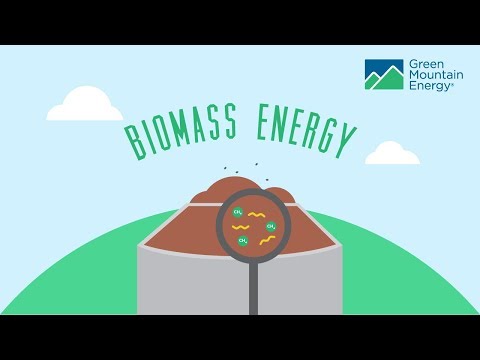
- Anaerobic digestion: This process happens without oxygen. Bacteria break down organic matter in a digester tank to produce biogas—a mixture primarily made of methane and carbon dioxide. You can use biogas for heating or generating electricity. Imagine turning your food scraps into usable gas; that’s what this does!
- Pyrolysis: Sounds fancy, right? In pyrolysis, biomass is heated in the absence of oxygen, which breaks it down into bio-oil and biochar (that’s charcoal). Bio-oil can be upgraded into transportation fuels while biochar enriches soil—it’s like giving back to the earth!
- Gasification: Similar to pyrolysis but slightly different! Biomass is partially oxidized at high temperatures to produce syngas—a mixture of hydrogen and carbon monoxide—which can be burned for energy or converted into fuels.
Now, talking about these processes gets me thinking about sustainability! I remember reading about a small village that decided to set up an anaerobic digester using cow manure from nearby farms. They not only reduced waste but also created enough biogas to power their community and even sell some back to the grid! It really shows how these technologies can empower local communities.
And let’s not forget about the environmental benefits here. Since bioenergy uses existing organic materials instead of fossil fuels, it helps cut down on greenhouse gas emissions. Plus, it encourages better waste management practices since we’re putting leftovers from farms or even your kitchen scraps to good use.
But there are challenges too—like making sure we don’t overuse land that could grow food or cause deforestation just because we’re chasing after more energy sources. It’s all about finding that balance.
So yeah, bioenergy has some cool potential as part of our world’s renewable energy puzzle! It’s not just science fiction; it’s happening now—and it could shape our future toward cleaner solutions for everyone!
Bioenergy’s Role in Advancing a Sustainable Future: Insights from Science
Bioenergy is one of those terms that gets thrown around a lot, especially when we start talking about a sustainable future. So, what’s the deal with it, you ask? Well, basically, bioenergy is energy produced from organic materials like plants and animal waste. It’s like harnessing nature itself to fuel our needs!
One of the coolest things about bioenergy is how versatile it is. You can create electricity, heat, or even fuels! Here are some ways it’s being used:
- Biomass Energy: This comes from burning organic materials to produce heat or electricity. Think of it as using wood, crop residues, or even garbage to keep our lights on.
- Biogas: This is generated through the breakdown of organic matter in the absence of oxygen. It’s like a natural recycling system! Landfills and farms often collect this gas for use.
- Biodiesel: Made from vegetable oils or animal fats, biodiesel can power vehicles just like regular diesel. You might even see some trucks running on used cooking oil from restaurants!
Now here’s where it gets interesting. Many scientists believe that bioenergy can help reduce greenhouse gas emissions while still keeping our energy needs met. Imagine if you could run your car on something that was once food scraps! That’s pretty impressive.
But look—bioenergy isn’t just a magic bullet for all our problems. There are challenges too. For instance, some methods might require lots of land that could be used for food production instead. It’s all about balancing needs and making smart choices.
Taking into account these complexities leads us to one important point: sustainability isn’t always straightforward. But when bioenergy is managed responsibly—like growing crops specifically for energy without sacrificing food supply—it can contribute significantly to reducing reliance on fossil fuels.
To add another layer here: consider this scenario—I once visited a small farm where they turned cow manure into biogas. The farmer explained how this system not only provided power for his home but also reduced waste disposal issues while improving soil health by using leftover solids as fertilizer! That right there felt like a win-win.
So yeah, as we look ahead towards a sustainable future, bioenergy stands out as one possible solution in our toolkit—not without its hurdles but definitely worth exploring further for its potential to make a positive impact!
Exploring Sustainable Bioenergy: Innovations and Impacts in Science
Bioenergy is like magic in a bottle! Imagine using organic materials—like plants, manure, or even food waste—to generate energy. It’s a renewable resource that can help us reduce our reliance on fossil fuels and tackle climate change. Seriously, it’s becoming a big deal.
So, what exactly is sustainable bioenergy? Essentially, it’s energy derived from biological sources that can be replenished naturally. This means we’re not just using it up without considering the future. The big goal is to create systems that are both environmentally friendly and economically viable.
Now, let’s break down some cool innovations in this field:
- Advanced Biofuels: These are made from non-food crops or waste, which reduces competition with food supplies. Think of things like algae or switchgrass being transformed into fuel.
- Biogas Production: Through anaerobic digestion (which sounds fancy but is just bacteria breaking down organic matter), we can create methane from food scraps and livestock waste. This not only generates energy but also cleans up waste!
- Energy Crops: Special crops grown specifically for energy production can help increase yields without affecting food supplies. Examples include miscanthus and giant reed.
- Waste-to-Energy Technology: Turning trash into power? Yep! This process converts municipal solid waste into energy through various methods, reducing landfill use in the process.
The impacts of these innovations are pretty exciting too! Picture this: when done right, bioenergy can actually reduce greenhouse gas emissions. For instance, the production of biogas from organic waste recycles nutrients back into the soil while providing clean energy.
I remember visiting a farm that was fully powered by biogas created from cow manure. The farmer shared how he used to struggle with managing waste before he discovered this technology. Now, not only does he have lower energy costs, but he’s also contributing to sustainability efforts in his community.
But there are challenges too! Some folks worry about land use; if we’re growing crops for fuel instead of food, what happens to food prices? There’s also the need for careful management to ensure that bioenergy production doesn’t harm local ecosystems or biodiversity.
But hey, that’s part of the ongoing exploration in sustainable bioenergy—finding those balance points. As scientists continue to innovate and adapt these technologies, we’re slowly uncovering how bioenergy may play a crucial role in our cleaner future.
In summary, sustainable bioenergy holds incredible promise. With innovative practices being developed all the time and the potential to lessen our environmental footprint, it might just be one of those solutions we’ve been looking for! You following me?
You know, when you think about energy, it’s easy to get lost in numbers and stats, but the real heart of the matter is how we can make it work for us without wrecking the planet. That’s where bioenergy comes in. So, imagine this: you’re sitting around a campfire with friends, roasting marshmallows, and someone says, “Hey, this fire? It’s actually a great example of bioenergy!” You start thinking about how all that wood came from trees—renewable resources that can keep giving back if we manage them right.
Bioenergy is basically using organic materials like plants and waste to create energy. This can be in forms like biogas from food scraps or biofuels from crops. It’s super cool because it’s not just waste; it’s potential! There’s something pretty powerful about transforming stuff we usually toss into landfills into something useful. I remember a couple of years ago when I visited a local farm that was generating electricity through anaerobic digestion—a fancy term for breaking down organic material without oxygen. The farmer was so passionate about it! He told me how he turns cow manure into power for his entire operation. And honestly? That blew my mind!
But here’s the catch: while harnessing bioenergy can help cut down on fossil fuels and greenhouse gases, it has to be done thoughtfully. If we over-cultivate crops just for fuel, we could end up affecting food supplies or even damaging ecosystems. It’s like that balance we all try to find in life—you want to enjoy your freedom but also need some responsibilities.
So when we think about sustainable solutions through bioenergy, it’s not just a simple fix; it requires creativity and care. We need innovation but also respect for nature. Picture creating energy while nurturing our environment—it sounds dreamy! But achieving that balance feels like an ongoing challenge draining resources from so many places at once.
Overall, I think there’s potential for us to really embrace bioenergy as part of our energy mix—if we’re smart about how we go about it. The more I learn and reflect on this topic, the more excited I feel about what could come next! What do you think?