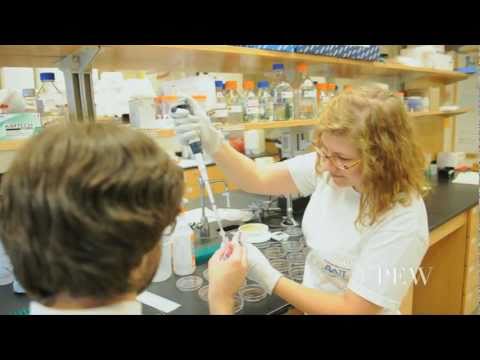
So, picture this: you’re at a party, and someone brings up gene editing. Suddenly, you’re in a sci-fi movie, right? I mean, it sounds wild! But seriously, what if I told you that scientists are actually messing around with our DNA to cure diseases? Crazy stuff.
Biomedical science is like the cool kid on the block. There’s always something new happening. One minute they’re growing organs in labs, and the next they’re figuring out how to send tiny robots into your bloodstream. How neat is that?
But it’s not just about the lab coats and beakers. These advancements aren’t just for scientists—they’re for all of us. Outreach is like that friendly bridge connecting complex science with everyday lives. You know what I’m saying?
So let’s chat about all these innovations in biomedical science and how they’re changing our world—and how we can understand them better together!
Exploring Recent Advancements in Biomedical Science: Innovations Shaping the Future of Healthcare
So, let’s talk about what’s been happening in the world of biomedical science lately. It’s like a rollercoaster ride of innovation, and trust me, it’s pretty exciting! You know, healthcare is one area where every little advancement can really change lives. Let’s dig into some of the coolest new stuff that is shaping this field.
Gene Therapy has been making waves. Basically, it involves modifying genes to treat or prevent diseases. Imagine being able to fix a faulty gene that’s causing a serious condition. That’s what scientists are working on! For instance, there are new therapies available for conditions like sickle cell anemia. Patients have actually shown signs of recovery; how amazing is that?
Another big thing is CRISPR technology. Okay, so this is like a pair of molecular scissors that can cut DNA at specific spots. This allows researchers to edit genes in ways we couldn’t even dream of before! Just think: with CRISPR, we could potentially eliminate genetic disorders or even make crops more resilient to climate change impacts.
Then there’s 3D Bioprinting. Yup, you heard that right—printing tissues! Scientists are using this tech to create skin grafts or even organs on demand. It’s not just sci-fi anymore; people are actually working on ways to print body parts that could one day be used in transplants.
We can’t forget about Telemedicine. It’s like having a doctor in your pocket! Especially after the pandemic, more folks started using virtual consultations for everything from routine check-ups to mental health support. It makes healthcare way more accessible for many people who might struggle to visit clinics.
And how about Artificial Intelligence (AI)? AI is becoming increasingly vital in diagnosing diseases faster than traditional methods could ever achieve. Algorithms now assist doctors by analyzing medical images and identifying issues that might be missed by human eyes alone. It helps catch problems early on—like finding cancers sooner!
On another note, let’s chat about Personalized Medicine. The idea here is tailoring treatment based on individual characteristics—like your genes or lifestyle—so each person gets care that’s right for them specifically. It’s super cool because it means fewer trial-and-error approaches when figuring out what works best!
Lastly, there’s the push toward Sustainable Healthcare Solutions. We’re talking about reducing waste and energy use in medical facilities and creating eco-friendly products. This isn’t just good for our planet; better practices can lead to healthier outcomes overall!
So yeah, these advancements are really shaping the future of healthcare. Each innovation feels like a leap toward not only better medical care but also toward improving quality of life globally—and isn’t that what we all want? The progress may come with challenges too; after all, navigating ethics and accessibility will be crucial as these technologies roll out widely.
Anyway, I think it’s pretty heartening to see how these innovations might help solve some tough problems in healthcare today and down the line!
Exploring Current Trends in Biomedical Sciences: Innovations and Emerging Research Directions
So, let’s chat about some pretty cool stuff happening in biomedical sciences right now. Basically, these are the fields that mix biology and medicine to better understand diseases, improve health care, and develop new technologies. You know, all that neat stuff that helps doctors treat patients more effectively.
One big trend is personalized medicine. This isn’t just a fancy buzzword; it means tailoring medical treatment to individual characteristics. Think about it: the same illness can look totally different in different people. Researchers are digging deep into genetic info to find why some treatments work wonders for some and not for others. Imagine a doctor looking at your DNA and saying, “Hey, this specific medication is perfect for you.” It’s like having a tailored suit but for your health!
Then there’s the rise of telemedicine. If you think about how we’ve been using video calls for just about everything lately—yep! That extends to doctor visits too. During the pandemic, many folks had to rely on this because getting to a clinic wasn’t the easiest thing to do. Now it’s more mainstream! You can sit at home in your pajamas talking to your doctor—pretty sweet deal, right?
Also worth mentioning is artificial intelligence (AI) making waves in biomedical research. AI systems are helping scientists analyze huge amounts of data way faster than any human could ever dream of doing. Picture scrolling through every medical journal out there just to find useful info—that’s where AI steps in like a superhero with super speed! It’s checking patterns or predicting outcomes which can lead to better treatment options or even diagnoses.
There’s also growing importance on improving healthcare accessibility. Researchers are working on solutions so that everyone can get quality healthcare regardless of their background or where they live. For instance, mobile clinics are being sent into underserved communities; they bring primary care directly where it’s needed most.
Lastly, don’t sleep on the advancements in gene editing techniques, like CRISPR! This revolutionary tool allows scientists to make precise changes in DNA. It has vast potentials—from correcting genetic defects before birth to developing new treatments for diseases like cancer and sickle cell anemia.
So yeah, there’s so much happening right now in biomedical sciences! Each little advancement connects back to improving health care and understanding what makes us tick as humans. And who knows what cool breakthroughs are just around the corner? Exciting times ahead!
Top Biomedical Engineering Breakthroughs to Watch in 2025 and Their Impact on Science
Biomedical engineering is shaping up to be one of the coolest fields in science, especially as we look towards 2025. With so many exciting breakthroughs on the horizon, let’s break down a few key innovations that could seriously change the game for healthcare, research, and all of us in general.
First off, we’ve got personalized medicine. You know how every person is different? Well, this area of biomedical engineering aims to customize treatments based on a patient’s unique genetic makeup. Imagine getting a therapy that’s tailor-made just for you! By studying our genes and how they react to various medications or treatments, doctors may be able to increase effectiveness while reducing side effects. Think of it like ordering a pizza with your favorite toppings instead of one-size-fits-all.
Then there’s 3D bioprinting. It’s like using a regular printer but instead of ink, you’re printing organs and tissues! This technology could potentially create replacement organs or even patches for damaged ones. You know how sometimes people wait forever for transplants? Well, with 3D printing, those waiting lists could shrink big time. Plus, it can lead to more personalized implants that fit an individual perfectly—like wearing a custom-fitted shoe.
Next up is biosensors. These tiny devices can monitor health indicators in real-time. Whether it’s glucose levels for diabetes or monitoring heart rates continuously, biosensors can be lifesavers. Imagine having a gadget that’ll alert you before things get serious—like having your own superhero keeping an eye out for you! We’ll see these integrated more into wearable tech over the next few years.
Another fascinating breakthrough is in neuroengineering. This focuses on creating interfaces between our brains and machines. Seriously cool stuff! Think about robotic arms controlled by thoughts or even helping people with neurological disorders communicate better. These advancements could help folks regain mobility or even improve quality of life significantly.
Finally, we can’t overlook the amazing work being done in gene editing technologies, like CRISPR-Cas9. It still feels like something out of a sci-fi movie but it’s real! In 2025, we might see more clinical trials focusing on using gene editing to combat diseases at their source. That means changing the very code that’s causing health issues—a game changer!
Each of these breakthroughs brings with it not just scientific marvels but also ethical considerations and challenges we need to think about moving forward. But hey, that’s all part of the conversation as we blend tech and biology deeper than ever before.
These areas not only show where biomedical engineering is headed but they also give us hope for better treatment options and improved quality of life down the road. Exciting times are ahead!
Biomedical science is like this cool fusion of technology and biology, right? It’s all about using the latest advancements to understand health better and improve lives. Honestly, just thinking about it makes my brain do a little happy dance.
I remember this one time, a friend of mine was struggling with a rare illness. It was tough to see them go through so many tests and treatments that seemed to take forever. But then came along these innovative therapies that were tailored specifically for conditions like theirs. Just seeing hope in their eyes because of advancements in gene therapy or personalized medicine was so heartwarming. It’s moments like that which make you realize how important this field is.
Speaking of cool breakthroughs, let’s talk about CRISPR for a sec. You know, that gene-editing thing? It’s such a game changer! Basically, it lets scientists snip out faulty genes and replace them with healthy ones—it’s like fixing typos in your DNA book! But with great power comes great responsibility, huh? Ethical questions arise as we step into this territory—who gets to decide how it’s used?
Outreach in biomedical science also plays a crucial role here. Because what good are all these advances if people don’t even know they exist? Workshops and community events can help demystify complex topics. For instance, you might find researchers going into schools or local centers to explain how vaccines work or the importance of mental health research. That kind of connection is super vital.
It makes me think about my own experiences with science education growing up. Sometimes I felt lost when learning about subjects like genetics because it seemed so distant from my everyday world. But when someone took the time to break things down—using analogies or relatable examples—it suddenly clicked! That’s the magic of outreach; it brings science down to earth.
And looking ahead, as we continue making strides in technology—from artificial intelligence predicting disease outbreaks to virtual reality helping train medical professionals—it’s essential that we keep the dialogue going with the public. You want everyone on board as we navigate these changes together!
So yeah, innovative advances in biomedical science aren’t just exciting because they push boundaries but also because they open up conversations that can lead to better understanding and healthier communities overall. It’s an adventure worth taking together!