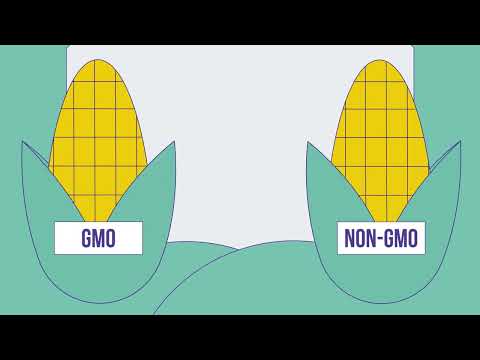
So, the other day I was scrolling through my feed, and I stumbled upon a picture of a tomato that looked, well, like a work of art. Seriously! It had these crazy designs all over it. Turns out it was bioengineered, and not just for looks—this thing packs flavor and nutrients like you wouldn’t believe.
You might think bioengineered food sounds kinda sci-fi or something out of a weird movie. But hold on! These innovations are actually changing the game in how we grow our food.
Imagine biting into a juicy strawberry that lasts longer without going bad. Or a corn plant that’s tougher against droughts and pests. Pretty cool, right? That’s what bioengineering is all about—crafting food to make it better for us and the planet.
So, let’s chat about how these supercharged foods work and why they could be the future of our dining tables!
Exploring Bioengineered Ingredients in Pepsi: A Scientific Perspective on Food Biotechnology
So, let’s talk about bioengineered ingredients in your favorite soda, Pepsi. It may sound a bit technical, but hang on! We’re diving into something really interesting here.
To kick things off, **food biotechnology** involves using living organisms or their components to make food products better. It might sound like sci-fi, but it’s pretty much part of our everyday life now. For example, many crops have been genetically modified (GM) to resist pests or withstand harsh weather conditions.
When it comes to Pepsi and other soft drinks, bioengineered ingredients can pop up in various ways. One common ingredient you might find is **high fructose corn syrup (HFCS)**, which is often derived from corn that has been genetically modified to produce sweeter kernels. This sweetener is used for its cost-effectiveness and ability to enhance flavor.
But why bioengineer these crops in the first place? Well, there are several reasons:
- Increased Yield: Bioengineering can lead to plants that grow more efficiently and yield higher amounts of fruit or grain.
- Resilience: Some GM crops are designed to be more resistant to diseases and pests. This means less pesticide use—which is good for both health and the environment.
- Nutritional Improvement: Some bioengineered foods have enhanced nutritional profiles. For instance, certain rice varieties have been modified to contain higher levels of vitamins.
You might be thinking about how these changes impact taste or quality. Many people worry that bioengineered foods could have unexpected effects on health. But regulatory bodies like the FDA thoroughly evaluate these products before they hit the market. They assess factors like nutritional content, potential allergens, and how the plant behaves in agriculture—kind of like a big safety check!
Let me tell you a little story here: I remember hanging out with friends at a barbecue once when someone said they could totally taste the difference between regular corn syrup and “bioengineered” corn syrup in their sodas. It sparked a heated debate about GMO food—that’s genetically modified organisms—and what it means for our bellies! While opinions were divided that day, one thing was clear: people care deeply about what they put into their bodies.
Now back to our fizzy friend—Pepsi has explored these innovations partly because consumer demand is shifting towards transparency and sustainability in food production. If you think about it, making drinks easier on farmers and the planet sounds pretty appealing!
Lastly, there’s this idea of **traceability**—a fancy way of saying we should know where our food comes from. As bioengineering expands its footprint in food products like Pepsi or even snacks we munch on while watching movies, having clear labeling will help folks make informed choices based on their preferences.
So next time you sip on a Pepsi or any other drink with bioengineered ingredients inside it, just remember: there’s quite a bit of science behind those bubbles!
Exploring the Most Common Bioengineered Food Products: Insights from Agricultural Biotechnology
Sure, let’s get into it! Bioengineered foods, or genetically modified organisms (GMOs), are a hot topic in agriculture. Basically, scientists tweak the DNA of plants and animals to make them grow better or resist pests. This can sound a bit sci-fi, but it’s more about smart farming. Here’s the scoop on some common bioengineered food products and what they’re all about.
Corn is one of the most widely bioengineered crops out there. A lot of it is modified to be resistant to pests, reducing the need for chemical pesticides. Imagine growing corn that won’t get eaten by pesky insects! This allows farmers to produce more with less effort.
Soybeans are another major player in this field. Many soybeans you see on store shelves today have been engineered to tolerate herbicides. That means farmers can spray their fields without worrying about hurting their crops. It helps keep weeds at bay while allowing for a healthier soybean harvest.
Then there’s cotton. Yep, we’re talking about your favorite pair of jeans! Some cotton plants are engineered to resist specific insects and diseases, cutting down on the amount of pesticides needed during growth. So when you wear those comfy clothes, know that they might come from bioengineered crops!
Now let’s touch on potatoes. Believe it or not, some newer varieties have been designed to bruise less easily and brown slower after being cut. If you’ve ever seen your half-eaten potato go brown like a sad science project in the fridge, you’ll appreciate this innovation!
And how could I forget about papaya? It has an interesting backstory! In Hawaii, they developed a GMO papaya that resists a virus called ringspot virus that was threatening its population. Thanks to this bioengineered fruit, farmers were able to save their crops and livelihoods.
These innovations offer some solid benefits: reduced pesticide use, increased crop yields, and more resilient plants against diseases and pests! But it’s also essential we keep talking about these things because public perception can be mixed; people often worry about what GMOs mean for health or biodiversity.
In essence: These common bioengineered food products show us how agricultural biotechnology can lead to more efficient farming practices while potentially offering solutions to food security issues around the globe! So next time you munch on some corn chips made from GMO corn or enjoy a nice salad with organic soy dressing, give a little nod to these innovations in agriculture—it might just help feed our growing world!
Exploring 2022 Innovations in Bioengineered Food Products: Advancements and Benefits for Sustainable Science
Bioengineered food products have really taken a leap forward, especially in 2022. These advancements aren’t just techy jargon; they have real implications for sustainability and how we grow food. Let’s break it down.
First off, bioengineering is like giving plants and animals a little genetic makeover to improve their traits. You know, like making crops more resistant to pests or boosting their nutritional value. This is super helpful for farmers struggling with climate challenges. If a plant can survive extreme heat or drought, that’s one less headache for them, right?
One exciting innovation in 2022 was the development of CRISPR technology in agriculture. This nifty tool allows scientists to edit genes with precision. So instead of introducing foreign DNA into organisms, researchers can tweak existing genes to enhance desirable traits. For instance, a company managed to create a tomato that has an extended shelf life. Not only does this reduce waste—because who likes squishy tomatoes?—but it also means we get fresher produce for longer periods.
Another cool example is gene-edited grains that require less water to grow—kind of like turning down the faucet on water usage while still filling our plates! Imagine living in a place where water scarcity is a real concern; having crops that can thrive on less water can be a game changer.
Now, let’s talk about health benefits. Some bioengineered foods are designed specifically to tackle nutritional deficiencies. There’s this thing called “golden rice” enriched with vitamin A and beta-carotene—perfect for areas where people might not get enough nutrients from their regular diets. It’s like adding a nutritional superpower to ordinary rice!
You might wonder about safety and regulations around these products. Well, there are strict guidelines in place that make sure these innovations are safe for people and the environment before they hit grocery shelves. It’s not just a free-for-all; there’s actual science backing up these modifications.
And hey, let’s not forget about the environmental impact! Bioengineered food products often use fewer pesticides and fertilizers because they’re engineered to resist pests or thrive in poor soil conditions. Fewer chemicals used means healthier ecosystems overall—it’s win-win!
But you know what really gets me? These advancements can help smallholder farmers too! By utilizing bioengineered crops tailored to local conditions, they could see better yields without needing extensive resources or infrastructure.
In summary, 2022 has shown us that bioengineered food products are more than just futuristic ideas—they’re practical solutions rooted in science that aim to address some of our biggest food security challenges today: environmental sustainability, nutrition improvement, and farmer support.
So yeah, the future looks bright (and delicious) with these innovations!
Bioengineered food products, or GMOs, have become quite the hot topic, haven’t they? I mean, they’re everywhere! From corn in your chips to soy in your tofu, these innovations are transforming our plates. But let’s chat about what that really means for us as consumers.
So the thing is, bioengineered foods are created by tweaking the DNA of plants or animals. It sounds super sci-fi, but really it’s just scientists playing a smart game of genetic chess. They aim to give us crops that are more nutritious or resistant to pests and diseases. Pretty cool, right?
I remember a time back in college when I had an internship at a local farm. We were struggling with a pest infestation that had wiped out half our tomatoes one season. Farmers around us were in panic mode. Some tried everything from pesticides to organic solutions with no luck! Then came the news about genetically modified strains that could withstand those pesky bugs — it was like a light bulb went off! It made me realize how these innovations could potentially save not just farmers’ crops but also our food supply.
And here’s where it gets even more interesting. Bioengineered foods can help tackle some pretty big problems like malnutrition and food scarcity. Imagine if we could grow rice enriched with vitamins essential for kids’ health in areas where they’re lacking—that’s huge! Plus, some GMO crops require less water or can thrive in poorer soils, which is such a win when we think about climate change and our precious planet.
Of course, there are concerns too—lots of debates about safety and environmental impacts swirl around this topic. And that’s totally valid; we should be cautious about what we’re consuming and how it’s produced. But it’s also important to recognize the potential benefits these innovations bring.
At the end of the day, bioengineered foods represent a blend of science and necessity. They might not be everyone’s cup of tea — which is cool — but they’re definitely changing how we think about food production and sustainability. Who knows? The next time you bite into a juicy tomato or munch on those crunchy chips, maybe you’ll think about all the hard work and smart science that went into making it possible!