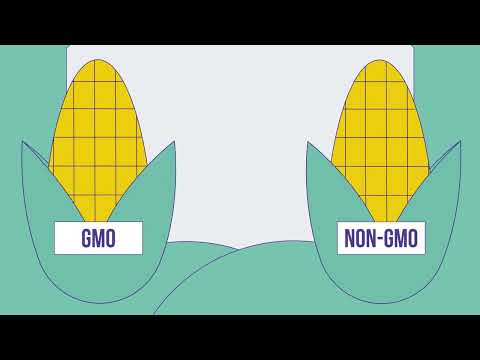
So, you know how your grandma used to say that good food comes from the earth? Well, what if I told you some of the stuff we munch on these days is less “earthy” and more—let’s say—”scientifically twiddled”?
Yeah, I’m talking about bioengineered food. It sounds kinda sci-fi, right? Like something out of a futuristic movie where tomatoes have superpowers or something. Well, they’re not flying around or anything, but these little guys are definitely shaking things up in the kitchen.
I remember the first time I bit into a juicy, bright red tomato that didn’t taste like cardboard. Seriously! Someone told me it was bioengineered—and I was like, “Wait, what?!” But then I learned it’s all about making our food better and helping us eat healthier.
Stick around as we take a look at some cool examples of this food science magic. You might just find out that eating your veggies could get a whole lot more exciting!
Exploring Bioengineered Food Products: Innovative Examples in Agricultural Science
So, let’s chat about bioengineered food. It’s pretty cool stuff, really! Basically, it involves tweaking plants and crops at a genetic level to make them better in some way. You know, better flavors, more nutrients, or resistance to pests. It’s science’s way of giving Mother Nature a little boost.
What is Bioengineering?
Bioengineering is like being a plant magician! Scientists take genes from one organism and put them into another to achieve something new. This can mean making a tomato that doesn’t rot so quickly or corn that can withstand harsh weather conditions.
Examples of Bioengineered Food:
There are some fascinating examples out there. For instance:
- Bt Cotton: This is cotton that’s been altered to produce its own pesticide! Yep, the genes from the bacterium *Bacillus thuringiensis* help the cotton plants fight off certain pests.
- Golden Rice: Imagine rice that can help prevent blindness! Scientists engineered it to contain vitamin A—essential for our eyes and skin health.
- Crispr Tomatoes: This new breed of tomatoes has been gene-edited using CRISPR technology to enhance their flavor. Think of it as enhancing grandma’s secret salsa recipe!
You see? These innovations tackle big problems in agriculture and nutrition.
The Benefits:
There are solid reasons for all this tinkering around with genetics. For one thing, bioengineered food often comes with less need for pesticides since they’re built to resist pests themselves. That means healthier produce for you and a safer environment.
Plus, think about food security! In a world where climate change is causing trouble for farmers, bioengineered crops can adapt better to changing conditions like drought or flooding.
The Other Side:
But hey, not everything’s sunshine and rainbows here! There are some concerns about bioengineered foods. Some folks worry about allergies or unintended effects on ecosystems because we’re messing with nature’s original design.
Also, there’s this big debate on labeling—like should you know if what you’re eating has been bioengineered? It raises questions about transparency in our food systems.
So yeah, bioengineered foods are definitely shaking things up in agriculture! It’s super interesting how science helps us create better crops while also facing real challenges in health and sustainability. Just goes to show how intertwined our relationship with food can be—both exciting and complex!
Exploring the Science: Is Coca-Cola a Genetically Modified Organism (GMO) Product?
So, you’ve probably seen that iconic Coca-Cola red label and thought about its ingredients. You might wonder, is Coca-Cola a genetically modified organism (GMO) product? Well, let’s break it down together.
First off, to get on the same page, what exactly is a GMO? Basically, it’s any organism whose DNA has been modified in a lab. Scientists change the genetic material to get specific traits—like making crops resistant to pests or improving their nutritional value.
Now, when it comes to Coca-Cola itself, the drink isn’t genetically modified. The main ingredients include carbonated water, high fructose corn syrup (HFCS), caramel color, phosphoric acid, natural flavors, caffeine and citric acid. But let’s focus on that HFCS because it often raises questions.
High fructose corn syrup can be derived from corn that’s genetically engineered. Most corn grown in the U.S. today is GMO corn bred for various reasons: pest resistance and higher yields are common traits. So when you sip a Coke made with HFCS, there’s a chance some of that corn was from GMO varieties.
But here’s the kicker—this doesn’t mean your soda is “genetically modified” as a product itself. It’s more about where one of its ingredients comes from. And as you might guess by now: this applies not just to Coke but also to many foods and drinks out there that use corn products.
You know what’s interesting? Many folks don’t even realize how much GMOs are part of our everyday lives! Like if you were munching on tortilla chips or enjoying certain snacks—they might contain GMO corn too.
Okay, so what’s actually in your soda? Even if some ingredients might come from biotech crops:
- Natural flavors: These can vary widely and sometimes come from plants altered by biotechnology.
- Caffeine: Usually sourced from coffee or tea; no GMOs there!
- Sugar: If it’s cane sugar used in some variants outside the U.S., it’s not likely GMO.
It’s also worth mentioning that regulations around labeling vary by region. In Europe, for example, foods containing GMOs must be labeled clearly; in contrast, the U.S. has looser guidelines which can make things confusing for consumers.
You know I remember my first soda—it was at a family barbecue with all those warm feelings wrapped up in laughter and sunshine. I didn’t think about what was in it back then—I just enjoyed it! But fast forward to today and suddenly we’re all trying to figure out ingredients that sound like they belong in a science lab.
So basically—it gets tricky when you’re navigating whether something like Coca-Cola is tied to GMOs. While the beverage itself isn’t genetically engineered directly, some of its components may very well stem from genetically modified sources.
In short: next time you pop open a Coke or any similar drink—just keep this info tucked away! It’s not just about what’s mixed up in those bubbles but also where they came from that can keep us curious about our favorite fizzy treats!
Exploring the Most Common Bioengineered Foods in the USA: A Scientific Overview
Sure! Let’s get into it. Bioengineered foods, or genetically modified organisms (GMOs), are kind of a big deal in the U.S., and you’ve probably heard a lot about them. Basically, these foods are created by altering the DNA of plants or animals to give them certain traits—like making them resistant to pests or improving their nutritional value. So, what are some common examples? Let’s break it down.
Corn is one of the most widely bioengineered crops out there. About 90% of U.S. corn is genetically modified! This corn is often engineered to be resistant to pests and herbicides. Imagine a world where farmers can grow corn with less worry about bugs munching on their crops—that’s what bioengineering can do!
Soybeans are another big player in this game. Similar to corn, around 90% of soybeans grown in the U.S. are genetically modified. These beans are designed for weed control, meaning farmers can use specific herbicides without harming their soybean plants. This helps increase yields and reduce the need for more labor-intensive weeding.
Now let’s talk about cotton. You might not think much about it when you’re wearing your favorite t-shirt, but genetically engineered cotton has made waves too! It’s primarily modified for pest resistance, which means it needs fewer pesticide applications compared to traditional cotton.
Then there’s potatoes. Yes, those humble spuds have been bioengineered too! Varieties like Innate potatoes have been designed to bruise less easily and produce less acrylamide when fried—basically making your French fries both tastier and healthier.
And don’t forget about canola. Most canola oil you see on supermarket shelves comes from bioengineered crops that can withstand herbicides as well. It’s pretty fascinating how this works—it helps ensure a stable supply while allowing for better farming practices.
Another interesting example is sugar beets. A huge chunk of sugar in the U.S.—around 54%—comes from bioengineered sugar beets that have been modified for herbicide resistance too. This lets farmers grow more sugar with fewer chemicals.
You might wonder why there’s so much debate around these foods? Well, concerns over safety and environmental impact always pop up when discussing GMOs; people worry about potential allergens or unexpected effects on ecosystems. But many scientists agree that currently available bioengineered foods are safe to eat!
So basically, this whole realm of bioengineering aims at making food production more efficient and sustainable while tackling some pretty serious agricultural challenges—like feeding a growing population with limited land and resources.
In summary, common bioengineered foods in the U.S., such as corn, soybeans, cotton, potatoes, canola oil, and sugar beets showcase some innovative responses to modern agricultural issues while also stirring up discussion among consumers regarding health and sustainability concerns. Just goes to show how science can take our food system into some pretty new directions!
So, bioengineered food, huh? It’s one of those topics that gets people talking—some love it, others are super skeptical. I mean, who hasn’t heard a story about a genetically modified tomato or corn with fancy traits? These days, it feels like science is pushing the boundaries of what we thought food could be.
I remember this one time at a summer barbecue; my friend was showing off his homegrown veggies. He was all excited about how he used some new bioengineering techniques to make his tomatoes bigger and juicier. The energy in the air was electric! Everyone wanted in on the secret. It struck me then how much potential there is in this field. Like, why not use science to solve some of our biggest food challenges?
Take something like golden rice, for instance. This isn’t just any rice; it’s engineered to produce Vitamin A—a crucial nutrient that can help combat blindness and other health issues in countries where diets lack this vitamin. Imagine kids getting a daily dose just by eating their regular meals! There’s something heartwarming about the idea that science can directly impact lives like that.
Then there are those lab-grown meats popping up everywhere. You know, the ones made without raising animals in the traditional way? They’re created by culturing animal cells directly—it sounds sci-fi but it’s happening! Not only could this reduce greenhouse gas emissions from livestock farming but also lessen animal cruelty concerns. It’s like taking control over our food system in a healthier way.
But here’s where it gets tricky: with innovation comes responsibility. We’ve gotta ask ourselves if all these changes are safe for us and the environment long-term? And let’s not forget about community perspectives; they matter just as much as scientific data.
At the end of the day, innovative bioengineered foods have potential beyond what we see now—whether it’s feeding growing populations or tackling climate change challenges. When you think about it, food is such an integral part of our lives—enjoying meals with friends and family is what connects us all! So as we navigate these advancements, let’s keep that sense of togetherness at heart while exploring what science can offer us next.