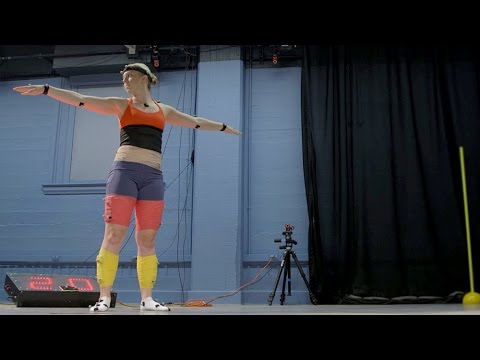
You know that feeling when you trip over your own feet? Yeah, I’ve been there—more times than I’d like to admit. And it’s kinda funny but also not. Turns out, our bodies are like super complex machines.
Biomechanics is all about figuring out how these machines work. It’s not just for athletes or those fancy scientists in lab coats. This stuff can help everyone!
Imagine running without pain or jumping higher than ever before. Crazy, right? Well, advancements in biomechanical research are making some wild things possible!
From improving prosthetics to understanding how we move, this field is evolving fast. So let’s chat about what’s happening in the world of biomechanics and why it matters to us all.
Exploring the Applications of Biomechanics in Human Body Science: Impacts and Innovations
Biomechanics is like the cool intersection where biology meets physics. It’s all about understanding how our bodies move and work, you know? When we talk about biomechanics in human body science, we dive into how our muscles, joints, and bones interact. This can help us innovate in various fields. Let’s break it down!
Understanding Movement
First off, biomechanics helps us understand movement itself. Think about running; there’s a lot going on when those legs start pumping! Muscles contract, joints bend and straighten, and forces push against the ground. By studying these actions, scientists can figure out the best ways to enhance performance or prevent injuries.
Applications in Sports
One of the coolest applications of biomechanics is in sports. Ever seen athletes train with high-tech gadgets? Those tools analyze everything from their gait to their grip strength. Coaches and trainers use this data to tweak techniques or design training programs tailored to individual needs. Imagine a sprinter being able to shave off those milliseconds just by adjusting their form—pretty awesome stuff!
Injury Prevention and Rehab
Now let’s talk injury prevention! Biomechanics plays a huge role here too. By understanding how certain movements can lead to injuries—like strains or sprains—researchers can develop better training practices or even ergonomic designs for workspaces. And if someone does get hurt? Biomechanical insights can guide rehabilitation strategies so folks can get back on their feet quicker.
Prosthetics and Orthotics
Another amazing application is in prosthetics and orthotics. Engineers take biomechanical principles to create artificial limbs that mimic natural movement as closely as possible. This means people with limb loss can regain mobility and independence, changing lives for the better! Plus, new materials are making these devices lighter and more comfortable than ever before.
Aging Population
Given our aging population, linking biomechanics with elderly care becomes critical too. By studying how older adults move—and often stumble—we can design safer living environments or assistive devices that support better balance without sacrificing comfort.
Kinematic Analysis
Let’s not forget kinematic analysis! It involves tracking motion through video technology or motion sensors to get detailed feedback on movement patterns. This data is gold for researchers who want to fine-tune athletic performance or study behaviors associated with certain diseases.
Future Innovations
As technology gets smarter, so will the applications of biomechanics! Think wearables that monitor your posture throughout the day or smart equipment at gyms that adjust based on your unique movements—life-changing innovations could be just around the corner.
In all these areas, the key takeaway? Biomechanics is shaping how we think about human movement and health—from elite athletes striving for gold medals to everyday people just trying not to trip over their own feet! It’s like having a little bit of science magic helping us live healthier lives while pushing boundaries we never thought possible before. So yeah, it’s pretty exciting stuff happening out there!
Understanding Human Biomechanics: The Two Key Benefits for Scientific Inquiry
Understanding human biomechanics is like peeking behind the curtain of how our bodies move. It’s fascinating, right? Basically, biomechanics is all about the mechanics of biological systems. We’re talking about everything from how you throw a ball to how you walk. So, let’s break down two key benefits that this kind of research brings to scientific inquiry.
1. Improving Health and Rehabilitation
One major benefit of studying biomechanics is its impact on health and rehabilitation. By understanding the way our bodies move, researchers can develop better treatments for injuries or conditions. For example, think about someone recovering from a knee surgery. Biomechanics can help in designing personalized rehabilitation programs that focus on strengthening muscles and improving movement patterns.
If doctors know how weight shifts during walking or running, they can adjust therapy to target specific weaknesses or imbalances. This means faster recovery times and less chance of re-injury, which is super important for anyone getting back into their favorite activities.
2. Enhancing Athletic Performance
The second big benefit? Boosting athletic performance! When athletes understand their biomechanics, they can optimize their movements, making them faster and more efficient. Take sprinters, for instance; if they analyze their stride length or the angle at which they push off the ground, they can make tiny tweaks that lead to significant improvements.
It’s like being able to unlock your body’s full potential! Coaches and trainers use biomechanical data to fine-tune techniques and help athletes reach new heights in performance.
So there you have it! Understanding human biomechanics plays a crucial role in health improvement and athletic excellence. It’s helping us not just recover but thrive! And who wouldn’t want that?
Exploring the 5 Key Components of Biomechanics in Scientific Research
Biomechanics is a super cool field that combines biology and the laws of physics to study how our bodies move. If you’ve ever watched a sprinter take off from the blocks or a gymnast do flips, you’ve seen biomechanics in action. Basically, it’s all about understanding the mechanics behind human movement. So, let’s dig into its five key components.
1. Kinematics
This is all about motion. Kinematics focuses on describing how we move without worrying about the forces that make us move. Think of it like watching a video of someone running—you’re seeing the path they take, their speed, and how their joints bend, but you’re not thinking about what pushes them forward. It looks at angles, velocities, and trajectories. You follow me?
2. Kinetics
Now we’re talking forces! Kinetics takes that motion from kinematics and dives deeper into what creates it—the forces involved in movement. Imagine you’re jumping; gravity is pulling you down while your muscles push you up. That push helps define how high you can jump or how fast you can sprint.
3. Muscle Mechanics
Okay, here’s where it gets seriously interesting. Muscle mechanics studies how muscles generate force to produce movement. Muscles work like elastic bands—they contract and relax to allow movement in our limbs through something called muscle-tendon units. When I think of this, I remember trying to lift a heavy box with my friends once; we had to coordinate our muscle strength just right to get it moving!
4. Biomechanical Modeling
This component involves creating mathematical models of human movement using data from kinematics and kinetics combined with muscle mechanics insights. It’s kind of like making an avatar in a video game that realistically mimics real-life movements—these models help researchers predict how changes in technique can boost performance or prevent injury.
5. Rehabilitation Biomechanics
This is where biomechanics meets healing—rehabilitation biomechanics examines how we can use knowledge of body mechanics for therapy after injuries or surgeries. Think of physical therapists using specific exercises or devices to help someone walk again after an accident; they rely heavily on biomechanical principles for effective treatment.
In scientific research, these components interact tightly to provide insights into not just improving athletic performance but also enhancing everyday activities like walking or climbing stairs! Keeping these principles in mind can lead to advancements that might someday allow us all to live healthier lives with more mobility as we age.
In sum, biomechanics isn’t just a bunch of fancy terms—it’s all around us! From sports science advancements to rehabilitation practices after injuries, its applications are integral in making sure we move smoothly through life!
You know, biomechanical research is really one of those cool areas where science meets real life in such amazing ways. I mean, when you think about it, we’re essentially trying to understand how our bodies work—how muscles, bones, and joints collaborate to make us move. Like, remember the last time you sprinted for the bus? Yeah, that sudden burst of speed is all thanks to biomechanics working behind the scenes.
I remember when I first learned about how prosthetics have evolved over the years. It’s like a sci-fi movie come to life! There’s this fascinating story about a guy named Hugh Herr who lost both his legs due to frostbite. Instead of letting that defeat him, he became a leader in biomechanical engineering. Now he builds bionic limbs that are so advanced they can actually respond to brain signals as if they were your own legs! Imagine feeling like you’re running again after losing that ability. Just thinking about it gives me chills!
So what’s happening out there in this field? Well, researchers are looking into all kinds of things—like how we can make better sports equipment tailored for individual athletes or developing exoskeletons that help people with injuries regain mobility. Think about a soldier who comes home from the battlefield with an injury; now there are suits that can support them as they walk again! That’s pretty inspiring.
But it isn’t just about helping those who’ve lost function; it’s also about enhancing human performance overall. Athletes are always trying to find new ways to gain an edge in their sport. With advancements in biomechanics, trainers can analyze an athlete’s movement patterns more accurately than ever before—it’s like having a super coach by their side 24/7.
And while this all sounds super exciting, there are definitely ethical questions to ponder too. For instance, where do we draw the line with enhancements? If we start giving athletes crazy advantages through biomechanics or robotics, what does it mean for competition then? Makes you think twice about what nature’s limits are versus human invention.
Overall though, it feels like we’re on the edge of something really groundbreaking here. With every new discovery and application, we’re pushing boundaries and re-defining capabilities. Just think back on how far we’ve come from simple observations of human motion to creating devices that change lives–it’s a journey worth following closely!