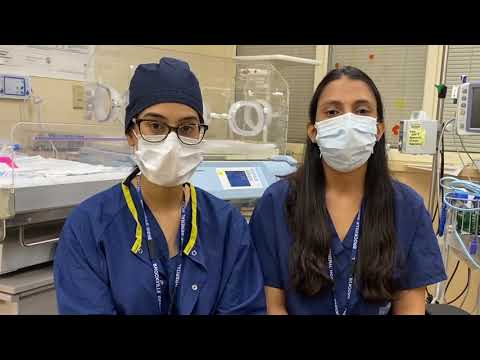
You know that feeling when you walk into a hospital and see all those beeping machines? It’s like stepping into a sci-fi movie, right? But honestly, it’s not just high-tech toys. There’s some serious brainpower behind all of that gear.
Biomedical clinical engineering is where science meets compassion. Imagine folks who blend engineering skills with medical knowledge to improve patient care. Like superheroes, but with lab coats instead of capes!
These engineers are the unsung heroes quietly making our healthcare systems run smoothly. They tweak machines, solve problems, and help doctors do their thing better. It’s like having a secret weapon in the fight for health!
So, next time you’re at the hospital, take a minute to appreciate what goes on behind the scenes. This stuff is pretty cool—like a whole world of innovation happening right under our noses!
Exploring the Intersection of Biomedical Engineering and Healthcare: A Scientific Perspective
Alright, let’s chat about the intersection of biomedical engineering and healthcare. There’s a ton going on here, and it’s super exciting! You see, this field isn’t just about cool gadgets. It’s all about making healthcare better for everyone.
Biomedical engineering is like this magical blend of engineering principles and medical knowledge. Picture a team of engineers who really want to help doctors and patients—pretty awesome, right? They design everything from artificial organs to advanced imaging systems. Basically, they work on anything that can improve patient care.
One major area where these engineers shine is in medical devices. Think about pacemakers or insulin pumps. These devices save lives daily! Engineers are constantly developing new versions to make them smaller, more efficient, and easier for patients to use. For instance, some newer insulin pumps connect with smartphones—how convenient is that? Just imagine being able to control your pump with an app!
Another cool aspect is biomaterials. These are special substances designed for use within the human body. They’re used in everything from stitches that dissolve themselves to artificial joints. It’s like science giving you a second chance at life! I remember hearing a story from someone who got a hip replacement made from these advanced materials—after recovery, they were walking marathons again!
Then there’s diagnostic technology. Engineers are always thinking of ways to help doctors figure out what’s going on inside our bodies faster and more accurately. Take MRI machines for example; they’ve revolutionized how we see inside ourselves without surgery. No one loves getting scanned, but how neat is it that we can get such clear images without any invasive procedures?
Also important are telemedicine technologies. This has grown huge lately, especially with the pandemic pushing things along faster than ever! Engineers design platforms that allow patients to meet with doctors online—saving time and making healthcare accessible for many folks who might not have been able to visit clinics before.
Let’s not forget rehabilitation technology. Devices like exoskeletons help people recover from injuries or surgeries by assisting movement as they regain strength. A friend of mine had an accident and went through rehab using one of those exoskeletons; she said it felt empowering just to stand up again!
But here’s where it gets even cooler: all these areas work together in what we call clinical engineering. This branch focuses on the management of medical technologies in hospitals and clinics; it ensures that everything works properly and safely for patients. Clinical engineers are like unsung heroes behind the scenes—they maintain equipment so doctors can do their thing without a hitch.
So yeah, when you look at biomedical engineering in healthcare, it feels pretty inspiring! It’s all about making lives better through innovation and teamwork among scientists, engineers, doctors—and let’s not forget the patients themselves! The next time you hear about a medical device or treatment breakthrough, think about all those amazing minds coming together to support health—all while creating some genuinely groundbreaking stuff along the way!
Exploring Biomedical Engineering: A Pathway to a Career in Medicine
Biomedical engineering is a super cool field that mixes medicine and engineering. It’s all about creating solutions, like devices or software, to improve patient care. Picture this: you’re designing a new kind of prosthetic limb that allows someone to run again after losing their leg. That’s the magic of biomedical engineering.
So, what does it really involve? Well, it covers a bunch of areas, including:
- Medical Devices: Think heart monitors or MRI machines. Engineers design and improve these tools to help doctors diagnose and treat patients.
- Tissue Engineering: This part is about growing tissues or organs in the lab for transplants. Isn’t that amazing? Scientists are actually trying to grow kidneys!
- Biomechanics: It involves studying movement and forces on the body. For instance, how do we make better sports equipment to prevent injuries?
- Clinical Engineering: This area focuses on managing medical technology in hospitals. You ensure equipment runs smoothly and meets safety standards.
When you think about a career in medicine, biomedical engineering could be your ticket in! Many people don’t realize there are different paths into healthcare, not just being a doctor or nurse. The cool thing is that engineers often work closely with medical professionals.
Now let’s chat about why this field is so crucial today. First off, our healthcare systems are more advanced than ever but also face tons of challenges—like aging populations and chronic diseases affecting many folks worldwide. Biomedical engineers play a key role in developing solutions to these big problems.
One emotional moment that sticks with me: I once heard from someone whose life changed because of an implanted device engineered by someone who cared deeply about improving lives. Just imagine the impact you could have!
If you’re thinking about going down this path, you’ll usually need a solid foundation in both biology and engineering concepts. Most people start with a degree in biomedical engineering or related fields before diving deeper into specific areas through grad school or internships.
And remember—being creative is just as important! Taking those scientific ideas and turning them into real-world applications requires some serious out-of-the-box thinking.
In short, pursuing biomedical engineering can lead you right into the heart of medicine without having to wear scrubs every day! You get to be innovative while making life better for countless individuals. So if you’re excited by science and care about helping others, this might be where your journey begins!
Revolutionizing Healthcare: The Impact of AI in Bioengineering on Medical Advancements
So, let’s chat about how artificial intelligence (AI) is shaking things up in healthcare, especially in the realm of bioengineering. It’s like having a super-smart buddy who can crunch numbers and analyze data faster than you can say “medical breakthrough.” Seriously, though, the way AI is being integrated into this field is nothing short of mind-blowing.
You know how healthcare can sometimes feel like a maze? Well, AI is like that GPS device guiding doctors through it. Here are some cool ways it’s making waves:
- Disease Diagnosis: With powerful algorithms, AI can analyze medical images with amazing accuracy. Imagine a radiologist getting help from an AI program that can point out potential issues in X-rays or MRIs faster. It’s like having another set of eyes that doesn’t get tired.
- Personalized Treatment: AI looks at your unique genetic makeup when suggesting treatment options. So instead of the one-size-fits-all approach, you get something tailored just for you. It’s kinda like ordering your favorite pizza exactly how you want it!
- Predictive Analytics: This means using big data to foresee health issues before they even happen. Think about that friend who always knows when it’s going to rain; AI does something similar but for disease outbreaks or patient deterioration.
- Research and Development: Speeding up the process of drug discovery is another plus! AI can sift through massive datasets to identify potential compounds much faster than traditional methods. Picture a scientist trying to find a needle in a haystack—now imagine if they had an industrial magnet!
- Robotics in Surgery: Surgical robots powered by AI make procedures less invasive and more precise. It’s almost like watching a video game but with real-life implications—surgeons get more control and patients recover quicker.
You might be wondering what this all looks like in real life. Well, take IBM Watson for example; it analyzes clinical data to help oncologists recommend treatment plans based on the latest research and individual patient needs. There are even startups focused on using machine learning algorithms to predict heart disease risks based on lifestyle choices.
You know what else gets me pumped about this whole thing? The human touch remains crucial! While tech advances are phenomenal, combining them with the empathy and judgment of healthcare professionals makes magic happen.For instance, while an AI might suggest certain treatments based on data patterns, it still takes compassionate doctors to consider personal circumstances and provide holistic care. That balance creates a rounded approach to medicine.
The cool part? We’re just scratching the surface here! As technology continues evolving—like those sci-fi movies we used to binge-watch—there’s no telling where all this could go next if ethical considerations guide development responsibly.
In the end, advancements in bioengineering infused with AI are pretty much changing how we think about health and medicine every day. And while there might be challenges ahead—as there usually are—it feels exciting to witness how this alliance moves forward!
You know, when you think about healthcare, it’s easy to get lost in all the fancy medical jargon and high-tech devices. But at the heart of it all is a group of people working tirelessly behind the scenes: biomedical clinical engineers. Seriously, these folks are like the unsung heroes of modern medicine.
I remember visiting a friend in the hospital once. She was recovering from surgery and, honestly, I was a bit nervous. Hospitals can be intimidating, right? But as I sat there, I started noticing all these machines surrounding her—monitors beeping, ventilators whirring. The thing that struck me most was how seamlessly everything seemed to work together. I mean, without those biomedical engineers ensuring those machines run smoothly and accurately, who knows what could happen?
Biomedical clinical engineering is basically where engineering meets medicine. These engineers design and maintain medical equipment that makes diagnosis and treatment possible. Imagine living without MRI machines or dialysis units! It’s wild how much we rely on technology in healthcare.
But it’s not just about fixing gadgets; it’s about making sure they help save lives. These engineers constantly analyze data to improve how devices function. They’re always tweaking things behind the scenes so that doctors have reliable tools to work with when patients’ lives hang in the balance.
And here’s another thing: they also play a massive role in safety. Have you ever thought about what happens when something goes wrong with a medical device? Well, these engineers are crucial in preventing malfunctions that can lead to serious consequences for patients.
It’s inspiring when you think about their impact on healthcare overall—from enhancing patient outcomes to helping advance innovative treatments. It reminds us that health isn’t just about doctors and nurses; there’s a whole team dedicated to making sure everything runs well.
So next time you see someone wheeling around one of those complex-looking machines or hear a beep from a monitor in a hospital room, take a moment to appreciate the work that went into making sure it works properly! It really is amazing how much thought and effort goes into advancing healthcare through something as intricate as biomedical clinical engineering.