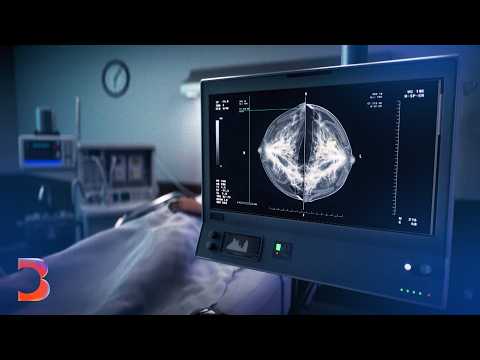
So, picture this: you’re sitting in a waiting room, scrolling through your phone when suddenly, you see a video of a tiny robot zipping around a hospital. It’s delivering medicine to patients like a postman on wheels! How cool is that?
Well, that’s just a peek into the crazy world of biomedical engineering. Seriously, it’s like sci-fi meets reality in the best way possible. You know how we used to think of the future as flying cars and time machines? Turns out, we’ve got some mind-blowing stuff happening right now with healthcare.
From 3D-printed organs to wearable tech that tracks your health better than your mom ever could, innovations in this field are shaking things up. And honestly, these advancements could change the game for so many people.
So buckle up! We’re diving into how these breakthroughs are not just fascinating but are literally transforming lives every day.
Transformative Innovations in Biomedical Engineering Revolutionizing Healthcare: Insights from 2020
Biomedical engineering has really taken off in recent years, and if you look closely at what went down in 2020, you can see some *huge* innovations that are changing the game in healthcare. Let’s break down some of these transformative developments.
First up, let’s talk about telemedicine. This isn’t just a fancy term for video calls with your doctor; it actually made healthcare more accessible than ever. When the pandemic hit, many people couldn’t visit clinics. Suddenly, patients were connecting with their healthcare providers from their homes! You know how sometimes it feels like a hassle just to get to an appointment? Well, telemedicine turned that idea on its head.
Another significant innovation is wearable health tech. Think smartwatches and fitness trackers. In 2020, these devices became more advanced, allowing them to monitor vital signs like heart rate and oxygen levels continuously. It’s kind of wild when you think about it—people started using this tech not just for fitness but to keep an eye on their overall health. Imagine spotting a potential health issue before even feeling sick! That’s super empowering.
Then we have 3D printing, which is revolutionizing how medical devices and even prosthetics are made. Instead of relying on mass production methods that can be slow or limited in customization, 3D printing allows for the rapid creation of personalized implants or tools tailored specifically for each patient’s body. So, if someone needs a prosthetic limb or dental crown, it can be made just for them. How cool is that?
You can’t forget about CRISPR technology, which gained traction in 2020 as well. This gene-editing tech provides scientists with a way to alter DNA sequences with incredible precision. It has massive potential for treating genetic disorders or even certain cancers by targeting the roots of diseases at their source rather than just treating symptoms.
Artificial intelligence (AI) also took center stage in healthcare innovation during this time. AI tools began crunching data like crazy—diagnosing diseases faster than humans sometimes! Imagine showing up at the clinic and getting your results almost instantly because an AI analyzed your scans quicker than any doctor could.
The combination of all these innovations really shows how biomedical engineering is pulling together various threads to create something powerful for health care systems worldwide. The idea here is not just about developing cool gadgets; it’s about improving lives through better access and personalized care.
- Telemedicine: Making healthcare accessible from home.
- Wearable Health Tech: Monitoring vital signs in real-time.
- 3D Printing: Customizing medical devices quickly and efficiently.
- CRISPR Technology: Editing genes to tackle genetic issues at their source.
- Aritifical Intelligence: Speeding up diagnostics with data analysis.
This whirlwind of transformations is not slowing down anytime soon! As we move forward, it’s pretty exciting to imagine what else will come out of biomedical engineering that could change lives for the better—one innovation at a time!
Exploring Recent Advancements in Biomedical Engineering: Innovations Transforming the Future of Science
Biomedical engineering is really shaking things up in the world of healthcare. It’s like that cool friend you have who always brings exciting ideas to the party. So, let’s talk about some of the recent advancements that are totally groundbreaking and might just change how we think about medicine.
One major area making waves is **tissue engineering**. Imagine if we could grow human tissues in a lab! Scientists are using special scaffolds made of biodegradable materials to support cells as they grow. The goal? To create new organs or repair damaged ones. Yeah, it sounds like science fiction, but it’s happening! For example, researchers are working on creating functional heart tissues that could one day be used for transplants.
Another super exciting development is *wearable technology*. You know those smartwatches that track your steps and heart rate? Well, they’re getting a serious upgrade! With advancements in sensors and data analytics, these devices can now monitor things like glucose levels or blood pressure continuously. This kind of real-time data helps people manage chronic conditions more effectively. Just picture someone with diabetes who can keep tabs on their blood sugar without pricking their finger multiple times a day—how awesome is that?
Then there’s **robotic surgery**, which might sound a bit sci-fi too! Surgeons now use robotic systems for precision during operations. These robots can make smaller incisions compared to traditional methods, which means less pain and quicker recovery for patients. A friend of mine had a knee surgery this way, and he was back playing basketball in no time!
Additionally, *nanotechnology* is opening some seriously tiny doors—like at the molecular level! Researchers are developing nanoparticles to deliver drugs directly to cancer cells while sparing healthy ones. This targeted approach can minimize side effects and enhance treatment effectiveness. Instead of bombarding the whole body with medication, we’re getting smarter about delivery.
Don’t forget about **biomaterials** either! Innovations here involve creating new materials that can interact with biological systems safely and effectively. For instance, there are developments in hydrogels designed for wound healing that mimic natural tissue properties. It’s kind of like giving your body a little helping hand when it needs it most.
Lastly, there’s *telemedicine*, which has exploded recently thanks to tech advancements (hello pandemic!). It allows patients to consult with doctors remotely through video calls or apps—super convenient for those who can’t easily get to appointments. It’s breaking down barriers and making healthcare more accessible than ever before!
So yeah, all these innovations show how biomedical engineering is stepping up its game big time! They’re not just ideas on paper; they have real impacts on lives—helping patients heal faster and live better lives overall. It’s an exciting time for science; you really see how creativity and technology come together to transform healthcare as we know it today.
In this evolving field:
- Tissue Engineering: Growing organs from scratch.
- Wearable Tech: Continuous health monitoring.
- Robotic Surgery: Precision operations with faster recovery.
- Nanoscale Innovations: Targeted treatment approaches.
- Biomaterials: Enhancing healing processes.
- Telemedicine: Making healthcare accessible from anywhere!
The future looks bright—and honestly thrilling—for biomedical engineering!
Revolutionizing Healthcare: Key Innovations in Biomedical Engineering and Their Impact on Science
So, let’s chat about how biomedical engineering is shaking things up in healthcare. Seriously, it’s amazing how these innovations are changing lives. You know, when you think about the fact that someone in a lab can develop tools and technologies that directly improve health outcomes, it’s kind of inspiring.
First off, medical imaging has come a long way. Remember those old X-rays? They were cool and all, but today we’ve got things like MRI and CT scans that give us detailed images of our insides without needing to do surgery. It’s like having a superpower to see what’s going on! This helps doctors detect diseases earlier and make better decisions about treatment.
Another fascinating area is bioprinting. Yeah, you heard me right—printing tissues and organs! Imagine if one day you could get a new kidney or even just some skin printed for transplant. Right now, researchers are working on creating organ templates using cells from the patients themselves. This could mean fewer rejections from the body since it’s basically made from your own cells. How cool is that?
Now let’s talk about wearable technology. Fitness trackers and smartwatches aren’t just for counting steps anymore. These devices can monitor your heart rate, track sleep patterns, and even alert you if something’s off with your health. It’s like having a tiny doctor on your wrist! This real-time data helps in early detection of issues, which is super crucial.
You can’t forget about robotic surgery, either. Surgeons are teaming up with robots for precision work that minimizes recovery time for patients. These robots can make tiny incisions with insane accuracy—much better than human hands alone! Plus, patients often go home sooner after these surgeries because they heal quicker thanks to less trauma.
Oh! And let’s not skip gene therapy. This one is mind-blowing; scientists are actually changing the genetic material inside our bodies to treat diseases at their source! Like fixing something fundamentally wrong at the molecular level instead of just masking symptoms with pills. It sounds like science fiction but isn’t!
Finally, there’s this whole movement towards personalized medicine. Each person’s body responds differently to treatments; so why not tailor medicine specifically for individuals? With advancements in genomics—the study of genes—we’re getting closer to customizing treatments based on someone’s unique genetic makeup. It could mean the difference between a treatment working or not!
So yeah, biomedical engineering is actively transforming healthcare in ways we couldn’t even have dreamed of just a few years ago. All these innovations aren’t just fancy tech—they’re saving lives and improving quality of life everywhere! Isn’t that something?
You know, it’s kinda amazing how fast things are changing in healthcare these days, all thanks to biomedical engineering. Imagine walking into a hospital and seeing some of the coolest tech around, and you’re like, “Wow, this is what my grandma used to dream about!” I mean, it wasn’t too long ago when doctors relied solely on their wits and whatever tools they could find. Now? We’ve got robots doing surgeries!
I remember the first time I saw a surgical robot in action. It was surreal. The surgeon was sitting at a console, just controlling the robot with joysticks as it performed precision cuts that would have been impossible by hand. It felt like something out of a sci-fi movie! And the fact that patients recover quicker because of these advancements? That just warms your heart.
Then there’s this whole area of personalized medicine that’s popping up everywhere. Think about it: we can now tailor treatments to individual patients based on their unique genetic makeup. It’s like figuring out your favorite pizza topping but for your health! Instead of a one-size-fits-all approach, doctors can now use specific data to create treatment plans that really hit home for each person.
And let’s not forget about wearable technology—it’s gone from being just fancy watches to serious health monitors. You can track everything from your heart rate to sleep quality right from your wrist! It makes you feel empowered, doesn’t it? You’re not just waiting for someone else to tell you how healthy you are; you’re actively involved in managing your own health.
But even with all these shiny gadgets and breakthroughs, there’s still work to be done. Not every hospital has access to this new tech or the training needed to use it properly. We need everyone on board so that no one gets left behind in this wave of innovation.
So yeah, biomedical engineering is seriously transforming healthcare in ways we couldn’t have imagined before. It’s not just about machines and numbers; it’s people helping people through technology that actually makes life better. And that feels pretty hopeful if you ask me!