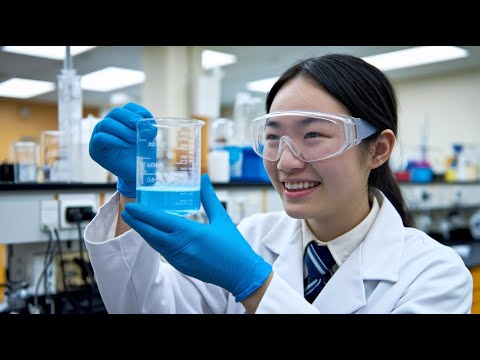
You know that moment when you find out your favorite snack was made with some crazy science? Like, I was munching on a protein bar the other day and I thought, “Wait, this has stuff from bioengineered yeast?!” It’s wild how biotech is sneaking into our lives, huh?
Seriously though, if you think about it, biotech labs are like modern-day treasure chests. Instead of gold or jewels, they’re packed with innovations that could change the way we live. Whether it’s developing new medicines or cracking the code to healthier crops, these labs are where the magic happens.
And here’s the kicker: all those breakthroughs don’t just spring up overnight. They’re products of hard work, creativity, and a little bit of trial and error—kind of like when you’re trying to bake the perfect cake and it keeps falling flat!
So let’s take a closer look at how these labs are driving scientific advances. Buckle up!
Exploring the Latest Advancements in Biotechnology: Innovations Shaping the Future of Science
Biotechnology has been making some serious waves lately, and it’s super cool to see how innovations are shaping the future of science. Basically, biotech involves using living organisms or their parts to develop products and solve problems. You know, like a mad scientist but with a lab coat and maybe a few safety goggles.
One major area of advancement is **gene editing**, particularly with tools like CRISPR-Cas9. This technology allows scientists to make precise changes to DNA, which can potentially eliminate genetic diseases. Imagine being able to correct a mutation that causes a severe illness in kids! It’s like being able to edit out a typo in your favorite book, only this time it’s in the genetic code of living beings.
Another exciting aspect is **synthetic biology**. This field is about designing and constructing new biological parts and systems. For instance, researchers are creating synthetic microbes that can produce biofuels or break down pollutants. Think about it: you could have tiny little bacteria cleaning up oil spills while chilling in the ocean! It’s like having your own superhero squad made up of engineered microbes.
Then there’s the world of **biomanufacturing**. Traditional manufacturing processes often rely on fossil fuels, which isn’t great for our planet. But with biomanufacturing, we’re using natural sources—like yeast and bacteria—to create products ranging from plastics to medicines. It’s much greener and can even lead to cheaper production costs over time!
Don’t forget about **personalized medicine** either! This is all about tailoring medical treatment based on individual characteristics, such as genetics or lifestyle. Imagine doctors being able to predict which treatment will work best for you based on your unique makeup—not just going off a one-size-fits-all approach like it used to be.
Also important is **biotechnology in agriculture**. Here we’ve got genetically modified organisms (GMOs) that are engineered for better yield or resistance to pests and diseases. Farmers can grow more food on less land while using fewer pesticides! It’s kind of amazing when you think about it—it’s science helping us tackle hunger worldwide.
And we can’t ignore how biotech plays a role in **vaccine development**—especially relevant in recent years! The rapid development of mRNA vaccines for COVID-19 showcases how biotechnology can respond quickly to global health crises. These vaccines teach our cells how to recognize and fight off pathogens without actually making us sick—like giving our immune system a practice run!
In summary, biotechnology is bursting with innovation that’s changing everything from health care to environmental solutions and food production. It feels like we’re just scratching the surface here, paving the way for even more advancements that could reshape our world in ways we can’t even imagine yet! So buckle up; the future looks pretty bright—and maybe just a tad sci-fi too!
Exploring Recent Advances in Biological Sciences: Key Innovations and Breakthroughs
Alright, let’s talk about some cool stuff happening in the world of biological sciences! It’s a wild ride full of groundbreaking innovations that are changing how we think about life itself. You with me?
Gene Editing has been making serious waves lately. Ever heard of CRISPR? It’s like a pair of molecular scissors that can snip out unwanted bits of DNA and replace them with new sequences. Imagine being able to correct genetic errors that lead to diseases! That’s what researchers are aiming for, and some have already started using it to treat genetic disorders like sickle cell anemia.
Ever thought about synthesizing life? Yeah, scientists have been tinkering with creating synthetic cells from scratch. These cells can be programmed to perform specific tasks, like producing biofuels or even pharmaceuticals. It’s a bit like building with LEGO blocks but for biology! This kind of work pushes the boundaries of what we consider living organisms.
Then there’s the exciting realm of bioprinting. Just when you thought 3D printing couldn’t get cooler, along come scientists printing human tissues! Using bio-inks made from living cells, they can create structures that mimic real tissues. This is huge for drug testing and may one day help grow organs for transplants. Seriously mind-blowing!
Another area worth mentioning is microbiome research. We’re just scratching the surface here! Our bodies are home to trillions of microorganisms that impact everything from digestion to mood regulation. Scientists are working on figuring out how these tiny creatures influence our health. Personalized medicine based on your unique microbiome could change treatments for conditions like obesity or depression.
Don’t forget about advances in vaccines. Recent innovations have sped up vaccine development significantly. The mRNA vaccines we saw during the pandemic showcased how quickly we could create effective solutions against viruses. And now, biotech labs are leveraging this tech to tackle other viruses and even certain cancers!
Last but not least, bioresponsive materials are gaining traction too. These smart materials can react to changes in their environment—like temperature or pH levels—to release drugs appropriately in your body. Imagine a pill that knows exactly when to start working based on your internal signals!
So there you have it! It’s amazing where biological sciences are headed these days. The breakthroughs and innovations coming outta biotech labs show us just how much potential we have to understand life better and even improve health outcomes for people everywhere. Isn’t it exciting?
Exploring Current Trends in Biotechnology: Innovations Shaping the Future of Science
So, we’re talking about biotechnology, a field that’s growing like crazy right now. You might wonder what’s making it all so exciting. Well, let me break it down for you.
First off, biotechnology is essentially when we use living things or their systems to develop products. It could be anything from medicines to sustainable energy sources. Right now, there are some key trends in this field that are shaping the way we think about science and health.
One major trend is the rise of **CRISPR technology**. This funky name stands for Clustered Regularly Interspaced Short Palindromic Repeats—yeah, that’s a mouthful! But what it does is like having a pair of molecular scissors to edit DNA with high precision. Imagine fixing typos in a book; scientists can remove or add genes in living organisms. It’s powerful stuff!
Another exciting innovation is **synthetic biology**. This is when researchers design new biological parts or systems that don’t exist in nature. Think of it as creating a brand-new LEGO set where you build something unique using available pieces. It opens doors for creating biofuels or new medicine that’s tailor-made.
Then there’s **biomanufacturing**. This means producing materials and products using living cells instead of traditional factories. For example, some companies are using yeast or bacteria to create biodegradable plastics! It not only helps cut down pollution but also makes production more sustainable.
Also, let’s not forget about **personalized medicine**. The idea here is to tailor treatments based on an individual’s genetic makeup. With advances in genomic sequencing—where your DNA gets read—the treatment becomes more effective because it targets specific issues in someone’s biological blueprint.
Finally, there’s this cool push towards **cell therapy**, which involves repairing damaged cells or tissues through techniques like stem cell therapy. It can potentially treat everything from spinal cord injuries to degenerative diseases like Parkinson’s.
So yeah, these innovations are just the tip of the iceberg! They’re altering how we approach diseases and environmental issues while offering some seriously exciting possibilities for the future.
But all these advancements come with their own sets of ethical questions and challenges too—like gene editing in humans raises concerns about “designer babies.” You see? It’s a double-edged sword and definitely part of ongoing conversations in society today.
But overall, biotechnology feels like standing at the dawn of something huge! And who knows? The next big breakthrough could be just around the corner waiting for someone to take that leap into research!
So, biotech labs? They’re like the secret sauce behind some of the coolest scientific advances we’ve seen in recent years. You know, when I was a kid, I always thought of scientists in white coats huddled around bubbling beakers. Nowadays, it’s way more than just that—it’s like a high-tech playground!
Think about CRISPR technology. It’s pretty mind-blowing how scientists can actually edit genes, almost like you’d edit a document on your computer. This kind of innovation opens up all sorts of possibilities, from curing genetic diseases to improving crops so they can withstand climate change better. Seriously, I can’t help but feel hopeful every time I read about new breakthroughs.
But here’s what really gets me: it’s not just about the tech itself; it’s also about the people behind it! A few months ago, I met a researcher who shared their journey into biotech after losing a family member to a genetic disorder. That personal connection fuels their work every day—they’re not just chasing data; they’re chasing dreams and making real changes for others. It’s inspiring to see how such innovations come with real-life stories intertwined within them.
Plus, let’s not forget how these labs are getting more collaborative! Scientists are working together across borders now more than ever. With all this sharing of knowledge and resources, it feels like everyone is on this huge team pushing for better health solutions or sustainable practices. And yeah, sometimes you get those wacky experiments that go viral on social media—like glowing plants or lab-grown meat—which is kind of fun too!
But here’s the catch: with all these advancements comes responsibility. Ethical dilemmas are popping up everywhere as we navigate through gene editing and other powerful tools. The conversations about what we should do versus what we can do are crucial because every breakthrough has its consequences.
Innovation in biotech labs isn’t just science fiction anymore—it affects our lives directly! So whether you’re looking at a tiny petri dish or a massive bioengineered plant field, remember there are stories and real emotions behind every advancement happening in those spaces. And honestly? That connection makes it even more exciting! So yeah, keep your eyes peeled; there’s an incredible future ahead!