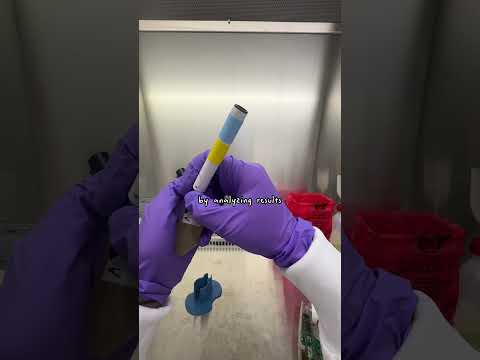
So, picture this: you’re at a party, and someone starts talking about biotech. You’re thinking, “Ugh, not another science nerd moment!” But then they mention how scientists can actually make cheese without cows. Seriously!
Yeah, biotech is wild like that. It’s not just test tubes and lab coats anymore. We’re talking about real-life magic happening in our food, medicine, and even sustainable practices.
And you know what? The best part is that this stuff isn’t hidden away behind some invisible lab door anymore. It’s out there for everyone to see and understand. Science outreach has transformed the way we connect with these advancements. Cool, right?
Let’s chat about how these exciting innovations are shaking things up in manufacturing and why it matters to you!
Exploring Cutting-Edge Advancements in Biotechnology: Trends and Innovations Shaping the Future of Science
So, let’s chat a bit about biotechnology, shall we? It’s like this incredible intersection of science and technology that’s reshaping how we think about healthcare, agriculture, and even the environment. This field is buzzing with innovations that are not only impressive but could also change our lives in some pretty major ways.
CRISPR: The Gene Editing Wonder
One of the biggest buzzwords in biotech these days is CRISPR. This tool, basically a pair of molecular scissors, allows scientists to snip out bad genes and replace them with better versions. Imagine being able to fix genetic disorders before they even manifest! Sounds unreal, right? Well, it’s happening. Researchers are using CRISPR for everything from potential cures for sickle cell disease to modifying crops for better yields.
Synthetic Biology: Building Life
Then there’s synthetic biology—think of it as engineering living organisms. Scientists are creating new biological parts or redesigning existing ones to produce things like biofuels or medicines more efficiently. Picture this: yeast strains that can produce insulin instead of relying on traditional methods. It’s wild how we’re essentially playing god with genetics!
Bioprinting: Layer by Layer
Now hold on tight because bioprinting is straight outta a sci-fi movie! This involves 3D printing human tissues or organs using living cells. It could eventually lead to organ transplants without the fear of rejection since they would be made from your own cells. Research teams are working on printing skin for burn victims and even heart tissues!
Microbiome Research: The Power Within
And what about the human microbiome? Our bodies are like little ecosystems full of bacteria that influence everything from digestion to mood swings. Scientists are studying how manipulating these microbial communities can improve health outcomes or combat diseases like obesity and diabetes.
Advancements in Biotech Manufacturing
On the manufacturing side, companies are harnessing automation and AI in biotech processes to enhance efficiency and reduce costs significantly. Think about robots running around in labs helping crank out vaccines at lightning speed—seriously impressive stuff!
Science Outreach: Spreading the Word
But advancements aren’t just happening behind closed lab doors; outreach is key! Making science accessible is super important. Organizations create programs that bring scientists into schools or communities so people can see firsthand how biotechnology affects their lives. Engaging kids with experiments might spark their interest in becoming future innovators.
In short, biotech isn’t just changing our scientific landscape; it’s opening up endless possibilities for the future. From gene editing to 3D printed organs, these cutting-edge advancements show us that the line between science fiction and reality keeps getting blurrier! And who knows? Maybe you’ll be part of this innovative journey one day!
Exploring Key Advancements in Biotechnology Applications and Their Impact on Science
Biotechnology is one of those fields that feels like it’s leaping forward every single day. It seems like there’s always some new discovery or method that could change our lives for the better. In this piece, let’s unpack some of the key advancements in biotech and how they’re shaping science and our world today.
Genetic Engineering has come a long way since the days of simply modifying plants to withstand pests. CRISPR, for instance, is a game-changer. This tool lets scientists make precise changes to DNA, which means we can potentially eliminate genetic diseases or improve food crops. Imagine a future where children don’t inherit genetic disorders—sounds pretty great, huh?
Another fascinating area is Synthetic Biology. This is where engineering meets biology—a real mash-up! Scientists are creating new organisms by redesigning existing ones or even building life from scratch. Think about it: we can use these engineered organisms to produce biofuels or even pharmaceuticals more efficiently. You know that feeling when you finish a project and can finally see the outcome? That’s what’s happening here; it’s super exciting!
Then there’s Biomanufacturing, which totally revolutionizes how we produce everything from drugs to vaccines. Instead of relying on traditional methods—which can be slow—biomanufacturing harnesses living cells to create products quickly and efficiently. Think about how rapidly COVID-19 vaccines were developed using these methods! It was like watching science in action.
Now, let’s talk about Bioremediation. This term sounds fancy but basically means using living organisms to clean up environmental messes, like oil spills or heavy metal contamination in soil. Imagine tiny microbes breaking down pollutants—it’s like nature’s little cleaning crew! This not only helps restore ecosystems but also gets us thinking about sustainable solutions.
And don’t sleep on Science Outreach. There are so many initiatives now aimed at making biotech accessible to everyone—from school kids to seniors. Workshops, online resources, and community labs are popping up everywhere! They’re helping people understand biotechnology in practical terms, you know? A friend once told me about attending a workshop where they extracted DNA from strawberries—it blew their mind! That hands-on experience makes all the difference.
In all this frenetic progress lies one crucial point: ethics matter immensely in biotechnology. As we advance scientifically, we also need to keep asking ourselves whether we’re doing right by society and the environment. It’s not just about being able to do something but also understanding whether we **should** do it.
So yeah, biotechnology isn’t just for scientists hidden away in labs anymore—it touches everyone’s lives now more than ever through innovations that solve real-world problems. Whether it’s improving health care or addressing climate change challenges, these advancements are paving a path toward a brighter future for all of us!
Exploring the Top Three Trends Shaping the Future of the Biotechnology Industry
The world of biotechnology is buzzing with exciting trends that promise to shape its future. Seriously, it’s a fascinating time to be involved in this field! Here are three key trends that are taking center stage:
- Personalized Medicine: Imagine a future where treatments are tailored just for you! Personalized medicine uses genetic information to tailor treatments based on individual characteristics. It’s like having your own personal health coach, but way more scientific. For example, cancer therapies can be adjusted based on the genetic makeup of your tumor. This approach not only increases effectiveness but also minimizes side effects. Pretty cool, right? That’s what gets scientists excited!
- CRISPR Technology: Okay, let’s talk about CRISPR—this is big stuff. Think of CRISPR as a pair of molecular scissors that snip out bad DNA sequences and replace them with good ones. It’s revolutionizing genetic engineering! Researchers are using it to treat diseases like sickle cell anemia and even some forms of blindness. The implications are massive; we might just rewrite the script of life itself, you know? It raises ethical questions too, like how far should we go in altering genes? But the potential for positive impact is staggering.
- Sustainable Biomanufacturing: Now, here’s where it gets really interesting. Traditional manufacturing can take a toll on our planet—that’s no secret. But biotech offers alternatives! Sustainable biomanufacturing uses living cells to produce materials instead of relying on fossil fuels or harsh chemicals. For instance, some companies are growing microbes that churn out biodegradable plastics or biofuels from agricultural waste. This shift not only reduces pollution but also transforms waste into something useful—how awesome is that?
These trends show us how biotechnology isn’t just about labs and test tubes; it’s about real-life applications that can change how we live and heal. So next time you hear about biotech advancements, remember: it’s not just science; it’s shaping the future in ways we’re still learning to grasp!
You know, biotech manufacturing has really taken off in the past few years. It’s like this world where biology meets engineering, and it’s super exciting! Just think about all those advancements we’ve seen—like creating sustainable alternatives to fossil fuels or developing new medicines that target diseases more effectively. It’s a game changer for so many areas of life, from health to food production.
One time, I sat down with a friend of mine who works in biotech. We were grabbing coffee and she started sharing stories about her work on genetically modified organisms to help crops withstand climate change. Her excitement was contagious! She talked about how these crops not only yield more food but do it sustainably without needing tons of water or chemicals. You could see the passion in her eyes—it was pretty inspiring.
But here’s the kicker: as amazing as all this is, there’s this huge gap in understanding what biotech is really about. A lot of folks feel left out of the conversation because the science can get pretty complex, you know? That’s where science outreach comes into play. It’s crucial! We need to break down these concepts into relatable stories and examples that everyone can grasp.
Science outreach helps bridge that gap between scientists and everyday people. Whether it’s school programs or community workshops, getting hands-on with biotechnology makes it less intimidating. Plus, when people are more informed, they feel empowered to engage with these advancements instead of just watching from the sidelines.
Honestly, embracing biotech isn’t just about cool tech; it’s also about working together as a society to face challenges ahead—like climate change or public health crises. It feels good knowing that there are people out there working hard to make our lives better through science—and even better when everyone gets a chance to be part of that conversation.
So yeah, as we keep pushing boundaries in biotech manufacturing, let’s not forget the importance of sharing that knowledge and making it accessible. The future definitely looks bright—and it’s even brighter when we all get involved!