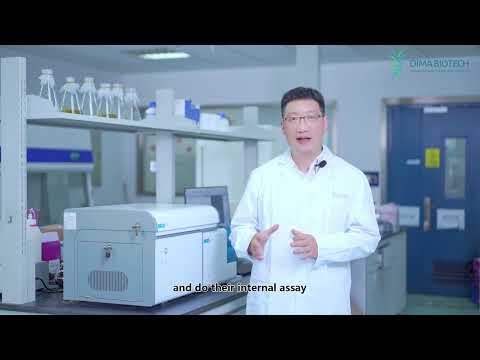
You know that feeling you get when you find a crazy new flavor of ice cream? Like, suddenly, your taste buds are on a wild adventure? Well, the world of biotech pharmaceuticals is kind of like that. Just when you think you’ve tasted it all, something new pops up and blows your mind.
Imagine a tiny lab somewhere, filled with brilliant minds who are just as excited about curing diseases as you are about dessert. They’re mixing science with technology, creating meds from living organisms. That’s right—bioengineering is like the ultimate recipe for health!
But it’s not just about cool science experiments. The ripples from their work reach far beyond a single lab or country. People everywhere are benefiting from these innovations, making the globe feel a lot smaller.
So buckle up! We’re about to take a quick jaunt through this fascinating world where medicine meets magic—because trust me, it’s way more interesting than watching paint dry!
Exploring the World’s Leading Biotech Hubs: Innovation Hotspots in the Life Sciences
Biotech is like this super exciting blend of science and technology that’s totally changing the way we see medicine and agriculture, among other things. Imagine being able to create new treatments or improve crops to feed more people; it’s a big deal!
Now, when we talk about biotech hubs, think of them as hotspots where all the action is. These places are buzzing with innovation, attracting brilliant minds and cash. So, let’s dig into some of these leading biotech spots around the world.
- Cambridge, Massachusetts: This one’s like the granddaddy of biotech hubs! Home to institutions like MIT and Harvard, it’s filled with startups doing groundbreaking work in drug development and gene therapy. The whole area feels electric, you know?
- San Francisco Bay Area: Seriously, if you want to talk cutting-edge tech and biotech fusion, this is it. Companies like Genentech call this home. You might even bump into some folks from companies working on CRISPR technology there! That gene-editing marvel has so much potential for curing diseases.
- London: This city isn’t just famous for its history—biotech here is booming too! The UK has a solid life sciences sector supported by research institutions. Plus, there are lots of venture capital firms ready to invest in promising ideas.
- Boston: Yep, Boston deserves its own shoutout! It’s filled with leading hospitals and universities pushing the envelope in research. From cancer therapies to vaccine development, Boston’s at the forefront!
- Singapore: If you head over to Asia, Singapore is like a shining star in biotech. The government actively invests in biomedical R&D—like seriously pouring money into innovation which draws a global talent pool.
All these places share something cool: a collaborative spirit. Scientists often work alongside tech developers and business experts. It’s all about bringing those different minds together!
I remember chatting with a researcher at one of these hubs who told me how exciting it was to have people from diverse backgrounds brainstorming together. They mentioned a recent project that combined virtual reality with lab work; it’s wild how creative minds can merge fields!
Now let’s not forget about the global reach of these innovations. Biotech isn’t just confined to these hubs anymore; thanks to technology and communication channels like telemedicine or online conferences, breakthroughs can ripple across continents within days.
In short, tracking down innovation hotspots gives us insight into where future breakthroughs might emerge from next—it’s kind of thrilling if you think about it! So whether you’re in Cambridge or Singapore, there are incredible things happening everywhere in biotech that could change lives for good!
Free Course on Artificial Intelligence Applications in Pharma and Biotech
Sure! Let’s break down the topic of artificial intelligence in the pharma and biotech sectors. There’s a lot to unpack here, and it’s super relevant, especially with all the innovations popping up.
Artificial intelligence (AI), you know, it’s like having a really smart assistant that can help researchers and companies make better decisions faster. In pharmaceuticals and biotechnology, AI can transform how drugs are developed, tested, and brought to market. This is no small feat!
Drug Discovery
Imagine you’re trying to find a new medicine. Traditionally, this process could take years. But with AI, you can analyze vast amounts of data—like genetic info or chemical compounds—super quickly. AI algorithms can predict which compounds might be effective against diseases! They look for patterns that humans might miss.
Clinical Trials
Now think about clinical trials. They’re essential for testing new treatments but often face delays due to slow patient recruitment or stringent regulations. Here’s where AI comes in again. It helps find eligible patients based on their medical records much faster than manual searching! Plus, it can monitor trial data in real-time to catch any issues early on.
Personalized Medicine
This is a big one! Everybody’s different, right? So why should everyone get the same treatment? AI helps tailor medications based on individual patient data, including genetics and lifestyle choices. This means treatments could become more effective with fewer side effects because they’re customized just for you.
Supply Chain Optimization
Even after a drug is approved, getting it to patients involves a ton of logistics. AI algorithms analyze supply chain variables to predict demand and optimize production schedules. It’s like having a GPS for pharmaceutical distribution—less waste and more efficiency!
Global Reach and Innovations
Now let’s talk about the global impact of these innovations in pharma and biotech using AI. Many companies are looking at areas like
,
, or
By leveraging AI technology effectively, they can respond more swiftly to these challenges.
So if you’re into science or just curious about how technology shapes health care today, keeping an eye on free courses focusing on these topics is brilliant! You’ll get hands-on knowledge about how cutting-edge tech is being woven into life-saving solutions worldwide.
Overall, artificial intelligence isn’t just changing how we develop drugs; it’s reshaping the entire landscape of medicine as we know it! Exciting times ahead for sure!
Revolutionizing Pharmaceuticals and Biotechnology: Current Trends and Innovations in Artificial Intelligence
Artificial intelligence (AI) is shaking things up in the world of pharmaceuticals and biotechnology. Seriously, if you took a peek at how things were done even a decade ago, it’s like comparing VHS to streaming. Here’s the scoop: AI is speeding up research, improving drug design, and even helping tailor treatments for individuals.
One of the coolest things AI does is analyze huge sets of biological data. Imagine trying to find a needle in a haystack—but instead of just one needle, you’re looking for thousands! AI algorithms can sift through genetic data way faster than any human could. They spot patterns and predict how different compounds might work against diseases, which means researchers can focus on the most promising candidates early on.
Another exciting trend? Drug discovery. Traditionally, this process can take years, even decades. With AI, researchers are developing models that can simulate how drugs interact with targets in the body without needing to run tons of experiments first. For example, companies like Atomwise have been using deep learning to predict molecular interactions effectively. Their tech has already found potential treatments for diseases like Ebola!
But wait—there’s more! Personalized medicine is also getting a serious boost from AI. You know how everyone’s body reacts differently to medications? Well, AI can analyze your genetic makeup alongside your health history to suggest tailored treatments just for you. This means fewer side effects and better results! Companies are now creating apps that help doctors make decisions based on real-time data.
And let’s not forget about clinical trials. They’re essential but often slow and cumbersome. With AI tools analyzing patient data quicker than ever, researchers can identify suitable candidates for trials more efficiently. We’re seeing platforms that match patients with ongoing studies based on their unique health profiles—making the whole process smoother and quicker.
On top of all this innovation in drug development and personalization, there’s also an emphasis on making these advances accessible globally. The world isn’t just made up of well-funded labs in developed countries; many innovations aim to reach underserved populations too! For example, some programs leverage mobile tech combined with AI to monitor health trends in remote areas effectively.
So yeah, you see? The future looks bright thanks to artificial intelligence in pharmaceuticals and biotechnology! There’s still progress to be made and challenges ahead—like ensuring safety while speeding things up—but overall? It feels like we’re on the verge of something groundbreaking here!
So, biotech pharmaceuticals, huh? It’s pretty wild how far we’ve come with these innovations. I remember a few years back when my friend was battling a really tough illness. The treatments were like, super dated and not very effective. But then came along this new biotech drug that changed everything for him. It was designed using living cells or even proteins! Like, science is seriously stepping up its game here.
Now, what’s so cool about biotech is its global reach. You know, it’s not just in one corner of the world anymore. These advancements are practically everywhere, from big cities to remote villages in different countries. If you think about it, you could be sitting in a café in Paris chatting with someone who’s benefiting from the same kind of treatment as someone in a rural community in India—how awesome is that?
But there are challenges too. Not everyone has equal access to these drugs, and that can be pretty frustrating. The research might happen in fancy labs with top-notch equipment, but when it comes to distributing those life-saving medications? That’s where things get messy sometimes. There are places where people still struggle just to get basic medical care.
The experience of my friend made me realize how crucial it is to bridge that gap and ensure that everyone gets the benefits of these amazing advances in biotechnology. It really feels like we’re on the cusp of something huge—unlocking potential for diseases we once thought were impossible to tackle.
In essence, biotech pharmaceuticals show us how science can connect people across the globe through shared breakthroughs and experiences. It’s a reminder of our capability for compassion and innovation together—a powerful combo worth celebrating!