You know, the other day I was chatting with a friend about how ups and downs are just a part of life. One minute you’re flying high, feeling like you can conquer the world, and the next, it’s like you hit a brick wall. But then I remembered some folks experience that rollercoaster in a really intense way—like, way more than your average bad day or joyful moment.
Bipolar disorder is one of those things that makes you think twice. It’s not just mood swings; it’s more like mood tornadoes! Seriously, it affects millions around the globe. And if you take a step back and look at the numbers, it’s mind-boggling.
So what’s going on with this condition? Are more people dealing with it now compared to before? And what does that mean for our health systems? Let’s untangle this a bit. There’s plenty to chat about!
Exploring the Lifetime Prevalence of Bipolar Disorder: A Comprehensive Scientific Review
Bipolar disorder is one of those topics that sometimes feels like a puzzle. You know? It’s complicated, yet so crucial for understanding mental health. Basically, it’s a mental illness marked by extreme mood swings, going from super high (mania) to really low (depression). While there’s a lot to unpack here, let’s focus on the lifetime prevalence and what it means for folks out there.
First off, when we talk about **lifetime prevalence**, we’re looking at how many people will experience bipolar disorder at some point in their lives. Studies suggest that around 2% to 4% of people will grapple with this condition. Think about it; if you’re in a room with 100 people, two or four of them might have it. That’s not an insignificant number!
But why does this matter? Well, recognizing these numbers helps us understand who is affected and how society can better support them. Bipolar disorder doesn’t discriminate; it can affect anyone at any time. It often appears during late adolescence or early adulthood but can show up later too—ready to disrupt lives in surprising ways.
Now, let’s get into some details about the demographics involved:
- Age: Most individuals show symptoms in late teens or early twenties.
- Gender: The condition affects men and women almost equally but may manifest slightly differently.
- Cultural variations: Prevalence rates may vary across different cultures—each society has its unique factors influencing mental health.
It’s interesting to note that those living with bipolar disorder often encounter numerous challenges beyond just managing their mood swings. I once met someone who had been dealing with this condition for years. They shared how hard it was to maintain relationships because of the extreme highs and lows they experienced. Feeling elated one day and deeply sad the next took a toll on friendships and family bonds.
So, what influences the rates of bipolar disorder? Well, there are several factors at play:
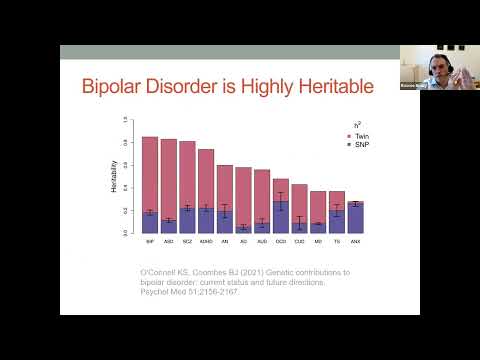
- Genetics: If you have a close relative with bipolar disorder, your risk increases.
- Environmental triggers: Stressful life events can bring on episodes.
- Chemical imbalances: Neurotransmitters in your brain play a huge role in mood regulation.
Also worth mentioning is how public awareness has grown over recent years. As more people learn about mental health issues like bipolar disorder, there seems to be less stigma associated with getting help—at least I hope so! It feels good when people can talk openly about their struggles without fear of judgment.
But here’s the kicker: despite these growing discussions around mental health issues, many still go undiagnosed or misdiagnosed because they might not perfectly fit into what doctors typically see as “typical” symptoms of bipolar disorder.
In short? The lifetime prevalence of bipolar disorder offers valuable insights into our collective mental health landscape. Understanding who is affected helps drive research and treatment options while also creating spaces for empathy and support among communities.
So remember—mental health matters! Having conversations about these disorders brings us closer together as we work toward compassion and understanding for everyone facing these challenges. That’s something we all could use a bit more of these days!
Global Prevalence of Bipolar Disorder: Insights from Recent Epidemiological Studies
So, let’s chat about bipolar disorder, a condition that affects millions of people worldwide. It’s known for causing extreme mood swings, from manic highs to depressive lows. Now, you might be wondering just how common this is on a global scale. Recent studies provide some pretty interesting insights.
First off, the prevalence of bipolar disorder varies quite a bit from place to place. For instance, in the U.S., estimates suggest that around 2.8% of adults will experience bipolar disorder at some point in their lives. Meanwhile, countries like France and Germany report slightly higher figures: approximately 3-4%. It’s like a patchwork quilt—different patterns and colors all over the world!
Now, what makes these numbers fluctuate? Well, it turns out several factors are at play:
- Genetics: Family history can increase risk a lot.
- Cultural influences: Stigma and awareness differ by country.
- Access to healthcare: Some regions just have more resources for diagnosis.
- Substance use: In certain communities, drug and alcohol use can amplify symptoms.
Isn’t that wild? Each little detail can change how we view the statistics.
There’s also this really eye-opening finding from a study in 2021 that showed increasing rates in younger populations! Young adults are struggling with undiagnosed or misdiagnosed cases more than ever before. Imagine being in your twenties and feeling like you’re on an emotional rollercoaster without knowing why. That could totally impact decisions about work or relationships.
And if we look closer at gender differences—it’s pretty fascinating too! In general, bipolar disorder seems to hit men and women almost equally overall. But when you break it down further, women often experience more severe depressive episodes while men might lean towards the manic side more often.
So here’s something important—this variability means that mental health services need to adapt based on what these trends show us. If one country sees rising rates among young individuals while another focuses on mid-life onset, their approaches should reflect those unique needs.
But there’s hope! More people are talking about mental health these days—less stigma means more folks getting help when they need it most. The advances in treatment availability also contribute positively; therapy options have expanded so much over recent years thanks to dedicated researchers and advocates everywhere.
In short, understanding the global prevalence of bipolar disorder is not just numbers; it tells stories about lives affected by moods that swing harder than any swing set you know! And knowing these insights helps make sure everyone who needs help gets it right when they need it most.
Analyzing the Prevalence of Bipolar Disorder in the United States: Trends and Implications for Mental Health Research
Bipolar disorder is one of those mental health issues that can really turn a person’s life upside down. You know, it’s not just about feeling sad or happy; it involves extreme mood swings that can be quite debilitating. In the United States, the prevalence of this disorder has become an important topic for researchers and health professionals alike.
So, what’s the deal with bipolar disorder numbers? Well, research suggests that around 2.8% of adults in the U.S have experienced bipolar disorder at some point in their lives. That may not sound like a lot, but when you think about how many people live here, that’s millions dealing with these intense ups and downs.
One major thing we’re seeing is trends over time. Studies indicate an increase in diagnoses over the past couple of decades. This could be due to a few reasons. For starters, there’s more awareness around mental health these days. People are talking about it more openly than before, making it easier for someone to seek help or get diagnosed.
Another factor could be changes in diagnostic criteria. The way we define and classify mental health disorders evolves as research progresses, which also impacts prevalence rates. Sometimes people had symptoms before but didn’t fit into the older frameworks for diagnosis.
But let’s talk about implications—what does this all mean? For one thing, understanding these trends can help tailor treatment options. Mental health services need to adapt based on how many people are affected and what they’re experiencing at different times of their lives.
Additionally, there’s a significant need for ongoing research into effective treatments and support systems for those diagnosed with bipolar disorder. The goal is to find better ways not just to manage symptoms but also to improve overall quality of life.
Now shifting gears a bit—let’s mention stigma! Even though we’re seeing a rise in diagnoses, there’s still a lot of misunderstanding about what bipolar disorder actually is. Many folks still harbor myths that can prevent someone from getting help when they need it.
On a personal note, I once knew someone who struggled silently with these issues for years before finally seeking help because they were worried about what others would think if they opened up about their diagnosis. It’s heartbreaking when you realize how much stigma can hold people back from getting the care they deserve.
Ultimately, as understanding increases regarding bipolar disorder prevalence and its implications for mental health research and treatment practices evolve as well—there’s hope for better outcomes through education and compassionate care!
You know, when we talk about bipolar disorder, it’s easy to get lost in the statistics and research jargon. But take a step back for a moment. This isn’t just numbers; it’s about real people living with this condition.
Bipolar disorder affects millions across the globe. It can hit anyone, regardless of age, gender, or background. I remember chatting with a friend who opened up about her struggles with mood swings that went from euphoric highs to deep lows. She shared how navigating life could feel like riding a rollercoaster—exciting one minute and terrifying the next. It really brought home how crucial it is to understand not only the disorder itself but also its broader impact on society.
Now, looking at the trends in epidemiology can be eye-opening. Studies have shown an upward trend in diagnoses over recent years. That might sound daunting, right? But maybe it signals something else too: increased awareness and better access to mental health services. More people are recognizing the signs and seeking help instead of suffering in silence.
But there’s also a darker side to this uptick in awareness—like a double-edged sword, if you will. With higher diagnosis rates can come stigmatization or misunderstanding from those who don’t fully grasp what bipolar disorder really entails. Education is key here! The more we talk about it openly, the less fear and stigma may surround it.
And let’s not forget how comorbid conditions often tag along for the ride. Many people with bipolar disorder also battle anxiety or substance use issues, complicating their treatment and overall well-being even further. It’s like trying to untangle headphones after they’ve been stuffed into your pocket—you need patience and understanding!
Ultimately, we all have a role to play here. Whether it’s advocating for better resources or simply being there for someone who’s struggling—every little bit counts! The implications for health are huge: creating supportive environments where folks can thrive rather than just survive could transform lives.
So yeah, when considering this whole subject of bipolar disorder epidemiology, let’s remember to keep that human element front and center. Each statistic represents someone’s life journey—full of ups and downs—and it warrants compassion as much as understanding.