Did you know that dengue fever is sometimes called “breakbone fever”? Sounds intense, right? And honestly, it’s not just a catchy name. The pain can be pretty serious, like your bones are literally breaking.
So, here’s the thing: dengue isn’t just a pesky tropical disease; it’s an ever-growing global concern. Imagine waking up with a high fever and feeling like you’ve been hit by a truck. Yikes! That’s how some people describe it.
Every year, millions get infected, and the numbers are rising. Public health folks are scrambling to keep up with the trends. And trust me, there are plenty of challenges they’re facing.
It’s like a game of chess — you think you’re making the right moves, but then the opponent throws something unexpected your way! So let’s chat about dengue — what’s going on with it and why it matters to all of us. Sound good?
Identifying Dengue Fever: 7 Critical Warning Signs to Watch For
Well, dengue fever is one of those things that you really want to keep an eye on, especially in places where it’s common. This tropical illness is caused by the dengue virus, which mosquitoes mostly transmit. To help you stay informed, I’m sharing some critical warning signs to watch for when it comes to identifying dengue fever.
High Fever: One of the first signs of dengue fever is a sudden spike in temperature. You might feel like you’ve been cooked alive in an oven. This fever can reach around 104°F (40°C) and usually lasts a few days.
Severe Headaches: Imagine having a headache that just won’t quit, like someone’s squeezing your skull with a vice. These headaches are often described as debilitating and are typically located behind the eyes.
Pain Behind Eyes: This is another common symptom that people report when they have dengue. It’s not your usual eye strain; it’s more like an intense pressure or aching sensation that can make it hard to focus on anything.
Joint and Muscle Pain: Dengue isn’t called “breakbone fever” for nothing! You might feel like your joints are going through a tough workout without any warm-up. The pain can be pretty severe and widespread across the body.
Nausea and Vomiting: Feeling queasy? That’s another sign of dengue. You could feel nausea alongside vomiting episodes which might leave you feeling even more drained.
Skin Rash: A rash may show up after the fever starts easing off, which can sometimes look like measles or other viral infections. Be on the lookout for any unusual skin changes because they’re pretty common with dengue.
Fatigue and Weakness: You know how sometimes, after getting sick, just climbing out of bed feels like running a marathon? That’s fatigue from dengue trying to sap your energy levels away. It can linger even after other symptoms start improving.
Dengue fever isn’t something to shrug off; knowing these warning signs could make a difference between quick recovery and serious complications. Always consult with healthcare professionals if you suspect you or someone else may have contracted it!
And remember, staying hydrated is key when dealing with illnesses like this, so sip that water like it’s going out of style!
Identifying Dengue Fever in Children: 7 Critical Warning Signs Every Parent Should Know
Dengue fever can be a serious illness, especially in kids. So, if you’re a parent, knowing the warning signs is super important. Let’s break it down!
1. High Fever: One of the first signs is often a sudden high fever. It can spike to over 102°F (39°C). If your child feels really hot and is acting differently than usual, it’s time to take notice.
2. Severe Headache: Another common symptom is a bad headache that doesn’t seem to go away. It’s not just any headache; it can be really intense and might make your child feel quite miserable.
3. Pain Behind the Eyes: This one can catch you off guard! Your child might complain about pain behind their eyes, which can feel strange and uncomfortable. They might not even realize it’s related to their fever.
4. Joint and Muscle Pain: Dengue has even earned the nickname “breakbone fever” because of how painful it can be for joints and muscles. Your little one might say they feel like they’ve been hit by a truck. Ugh!
5. Rash: Look out for any rashes that could appear around 3-4 days after the fever starts. The rash might start on the face or torso before spreading elsewhere, which could confuse parents unfamiliar with dengue.
6. Nausea and Vomiting: If your child feels nauseous or ends up throwing up, don’t brush it off as just something they ate! These symptoms often show up during dengue infection and can make them feel quite unwell.
7. Fatigue or Weakness: Lastly, if your kiddo seems more tired than usual or has lower energy levels, keep an eye on them! Kids are known for their energy bursts, so anything out of the ordinary should raise some flags.
If you notice several of these signs together, like high fever plus rash or severe headaches with fatigue, it’s crucial to seek medical help right away! You know how kids are; they sometimes can’t express what they’re feeling clearly.
The thing with dengue is that it doesn’t just affect one person; outbreaks can happen in communities too! Awareness is key for families everywhere since this disease tends to pop up in tropical regions where mosquitoes thrive.
It’s all about keeping that radar on high alert! Being informed means you’re better prepared if something comes up with your child’s health.
Top 5 Evidence-Based Strategies to Prevent Dengue: Insights from Public Health Science
Dengue fever is definitely one of those diseases that you hear about but might not think too much about—until it hits close to home. Caused by the dengue virus and transmitted by mosquitoes, this illness can wreak havoc on someone’s health. You know, like those times when you’re just trying to enjoy a quiet evening outdoors, and suddenly those pesky bugs decide to crash the party.
Let’s talk about some serious evidence-based strategies that are pretty effective in preventing dengue transmission. These are grounded in public health science, so they’ve got some solid backing behind them. Here’s a quick rundown:
- Community Awareness Programs: Engaging communities through education is huge. When people understand how dengue spreads and what symptoms to watch for, they’re more likely to take preventive actions. Remember that time your friend started spreading the word after getting sick? It makes a difference.
- Eliminating Mosquito Breeding Sites: This one’s all about keeping your environment clean! Standing water is like a five-star resort for mosquitoes. Regularly emptying containers that collect water can help control their population. Seriously, even something as small as a birdbath could be a breeding ground.
- Use of Insecticides and Larvicides: Spraying insecticides in areas with high mosquito activity can significantly lower the risk of dengue transmission. But here’s the catch: it needs to be done safely and responsibly—to protect non-target species and the environment.
- Personal Protective Measures: Wearing long-sleeved clothing and using mosquito repellent can keep those little buggers at bay while you’re outside. It’s not just for camping trips; this stuff is useful all summer long!
- Vaccination Programs: There are now vaccines available for dengue fever that can be offered in areas where the virus is common. Getting vaccinated if you’re living in or traveling to these areas adds another layer of protection.
You see, tackling dengue isn’t just about one strategy alone; it requires a combination of approaches—kind of like putting together your favorite playlist! The trends show us how critical public awareness and proper environmental management are in keeping this disease under control.
If communities come together, educate themselves, and take these steps seriously, we truly have a better shot at reducing the incidence of dengue fever. So next time you’re sipping lemonade on your porch or planning an outdoor barbecue, remember these strategies—it could make all the difference!
So, let’s chat about dengue fever for a moment. It’s one of those diseases that sounds scary, right? Imagine getting bitten by a mosquito and then feeling like you got hit by a truck. Seriously, it can be rough! Dengue is caused by the dengue virus, usually spread through the bites of infected Aedes mosquitoes. But let’s break it down a bit more.
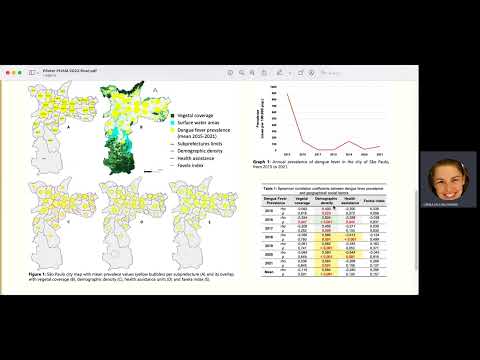
What’s interesting, and kind of alarming, is how the trends in dengue cases have changed over the years. Some places are seeing an increase in cases, while others are managing to keep it under control. You know what I mean? It really makes you think about what drives these shifts. Socioeconomic factors play a huge role—you’ve got areas with dense populations and poor sanitation that often see outbreaks more frequently. I remember hearing a heartbreaking story from someone who had family in an area where dengue was rampant. They talked about how healthcare access was limited; people were getting sick but couldn’t reach clinics in time. It just highlights how interconnected everything is.
Oh! And let’s not forget climate change—yeah, it sounds like a cliché now, but hear me out. Warmer temperatures can expand the habitats of those pesky mosquitos! Areas that used to be too cold suddenly become perfect breeding grounds. That definitely complicates things for public health officials who are trying to get a grip on prevention strategies.
But there are challenges beyond just the mosquitos and weather patterns. Public awareness is critical! Many folks think dengue is just like having the flu or something equally harmless, which isn’t true at all! You need education on symptoms and when to seek help because severe cases can lead to serious complications.
And don’t even get me started on vaccines—progress has been made here; however, there’s still so much work ahead to make them accessible globally and ensure they’re effective against different strains of the virus.
So yeah, tackling dengue fever isn’t just about fighting off mosquitos; it’s also about bridging gaps in healthcare systems, raising awareness among communities, and adapting our approaches as conditions change around us. It really brings home how public health is this massive puzzle where every piece counts!