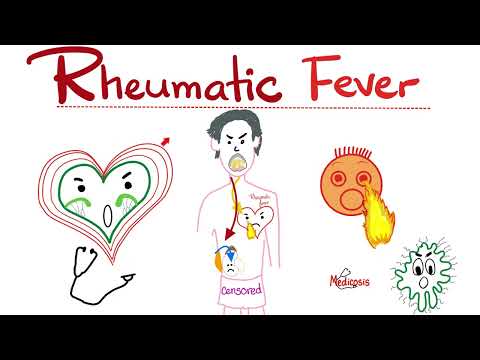
You know that weird feeling when you get a sore throat, and suddenly your mind races to the worst-case scenarios? Like, are you getting strep throat or something worse? Well, let me tell you about rheumatic fever—it’s one of those things that can pop up after a simple throat infection, and it’s no joke.
Imagine you’ve just battled through a nasty cold or, worse yet, strep. You think you’re in the clear, but then your body decides to throw a bit of chaos your way. Your heart starts acting up, and your joints feel like they’re part of an old-school horror movie. Yikes!
So, what’s the deal? Rheumatic fever happens when your immune system gets a little too enthusiastic after fighting off certain infections. Instead of just packing up and going home after the battle, it sticks around and starts messing with things it shouldn’t. That’s where the real drama kicks in—your heart and joints become victims in this unexpected story.
Let’s dig into what happens under the surface with this condition. It might sound clinical at first glance, but trust me—it’s packed with wild twists!
Clinical Findings of Rheumatic Fever: Insights from Medical Research
Rheumatic fever is one of those conditions most people don’t really think about until it’s, like, a thing in their lives. It typically pops up after a strep throat infection. It’s interesting how an infection that sounds pretty harmless can lead to something so serious, right? The whole situation with rheumatic fever is a bit of a rollercoaster ride in terms of your health.
So here’s the deal: after you get strep throat—which is caused by the bacterium *Streptococcus pyogenes*—your immune system kicks into overdrive. But sometimes, it goes a little too far. It starts targeting not just the bacteria but also your own body tissues. This misfire can lead to inflammation and damage in various parts of the body such as the heart, joints, skin, and brain.
The main clinical findings of rheumatic fever include:
- Carditis: This is basically when your heart gets inflamed. We’re talking about swelling and damage to the heart valves which can lead to some serious complications.
- Arthritis: If your joints are feeling sore and swollen, this could signal rheumatic fever. You might notice pain that jumps around from one joint to another.
- Skin Rashes: Some folks develop rashes called erythema marginatum which look like pink rings on the skin. They’re not super common but when they show up, they really stand out!
- Syndenham’s Chorea: This one’s particularly wild—it’s when you experience uncontrollable movements or twitches due to inflammation affecting certain brain areas.
The thing is, these symptoms aren’t just random things happening; they all tell a story about how your body reacts after that strep throat infection goes haywire. And catching them early? That’s key! With proper diagnosis and treatment (like antibiotics), you can often avoid some major complications down the line.
Now imagine being a teenager and suddenly not able to play basketball because your knees are too swollen from arthritis—you’d be frustrated for sure! Well, that’s kind of what happens with rheumatic fever if it goes unchecked.
The pathophysiology behind this condition involves autoimmunity—it’s kind of like your immune system has mistaken its target and starts attacking healthy cells instead of just the bad bacteria. This inflammation can cause permanent damage if left untreated, especially in terms of heart health.
Researchers continue investigating ways to better understand this whole process because even today, we need improvements in preventing those secondary problems related to rheumatic fever. Increasing awareness about strep throat treatment is crucial since preventing that initial infection can help stop this chain reaction before it ever begins.
In summary, rheumatic fever serves as a real-life reminder about how interconnected our bodies are—what seems like a simple sore throat can spiral into something much bigger if we’re not careful! Catching it early? That makes all the difference for recovery and long-term health outcomes.
Exploring the Five Key Manifestations of Rheumatic Fever: Insights from Medical Science
Rheumatic fever can be, well, a complex and often misunderstood condition. It typically arises as a reaction to an infection with group A streptococcus, commonly known for causing strep throat. But the thing is, it doesn’t just stop at a sore throat; it can lead to some serious complications, particularly when it comes to the heart and joints. Let’s explore five key manifestations of rheumatic fever that you might find interesting.
1. Carditis
One of the most serious issues with rheumatic fever is carditis. This basically means inflammation of the heart. You see, the immune response triggered by streptococcus can mistakenly target your heart tissues too. Symptoms might include chest pain or palpitations, and sometimes even heart murmurs show up on exams! That’s your body saying “Hey! Something’s not right here!”
2. Polyarthritis
Next up is polyarthritis—a fancy term for joint inflammation that usually affects multiple joints at once. Imagine waking up feeling like your knees are made of lead or finding it hard to move your elbow without pain. The good news? This type of arthritis tends to be migratory; it moves from one joint to another rather quickly.
3. Chorea
Ever heard of chorea? No? Well, it’s this rare but intriguing manifestation where you experience involuntary movements or spasms—kind of like being unable to control your hands and feet for a bit. It’s often more common in kids than adults, and honestly, watching someone go through it can be both fascinating and concerning.
4. Erythema Marginatum
Then there’s erythema marginatum, which sounds complicated but really isn’t too bad when you break it down. It’s these distinct pinkish-red skin rashes that have clear edges—almost like someone traced them with a marker! They often come and go, which can make them tricky for doctors to spot unless they’re looking closely during an exam.
5. Nodules
Lastly, we have subcutaneous nodules—these little lumps that form under the skin around joints or bony areas like elbows and knees. They’re generally painless but definitely noticeable! It’s as if the body is creating tiny shields made out of tissue in response to its own confusion over fighting off an infection.
So yeah, these manifestations highlight how rheumatic fever isn’t just one simple condition but rather a collection of symptoms that affect various parts of the body due to an inappropriate immune response after a strep infection.
Each manifestation carries its unique challenges and potential long-term consequences, especially regarding your heart health if left untreated—so knowing about them is seriously important! Understanding these key signs can help in early detection and treatment options down the line.
Understanding Rheumatic Fever: A Simple Explanation of Its Causes, Symptoms, and Impact in Medical Science
Rheumatic fever is one of those health topics that, to be honest, doesn’t get enough attention, you know? It’s a condition that can affect kids and young adults. Basically, it occurs as a complication of untreated strep throat or scarlet fever. Yep, that sore throat could lead to some serious stuff down the line if it’s not dealt with.
Causes
Now, let’s dig into what causes it. Rheumatic fever happens when your immune system goes a bit overboard. After battling an infection from a bacterium called *Streptococcus pyogenes*, your body reacts by attacking its own tissues. It’s like your immune system gets confused and thinks your heart or joints are the bad guys! This usually happens about 2 to 4 weeks after you’ve had that strep infection.
So if someone has strep throat and ignores it, thinking it’ll just go away on its own, there’s a risk of developing rheumatic fever later on. And honestly, it can happen to anyone who has had strep throat—no matter how healthy they seem otherwise!
Symptoms
The symptoms can vary widely but often include:
- Fever: A high temperature can be one of the first signs.
- Sore joints: Achy knees and elbows may come knocking; sometimes this pain moves around different joints.
- Heart issues: This is where things get serious. Some people can develop inflammation in their heart valves.
- Skin rashes: You might see red spots or plaques forming on your skin.
- Nodules: These are small lumps under the skin that usually show up near bony areas.
You ever had a really bad cold or flu? Imagine feeling like you’re stuck in bed with all these symptoms plus an achy heart—it’s no picnic!
The Impact
Now here’s the kicker: if rheumatic fever isn’t treated properly, it can have long-term effects. We’re talking about permanent damage to the heart muscle or valves—this condition is called rheumatic heart disease. And having that means more doctor visits and possibly surgery down the road.
In medical science, understanding rheumatic fever is crucial because it teaches us about how our immune system works and its potential for causing harm if things go haywire. Researchers are always looking into better ways to prevent it through vaccines against strep bacteria or improved treatments for initial infections.
So yeah, while rheumatic fever might sound old school (something from history books), it still packs quite a punch today. That’s why recognizing those initial sore throats and taking them seriously is super important—not just for avoiding an annoying cough but also for steering clear of something way more serious down the line!
Rheumatic fever is one of those conditions that doesn’t get enough spotlight, you know? It kinda lurks in the background, but its effects can be pretty intense. So, let’s break it down.
At its core, rheumatic fever happens as a crazy response after a strep throat infection. Imagine your immune system as a superhero squad. After battling those strep bacteria, sometimes this squad gets really confused and starts attacking healthy tissues instead. That’s when things go haywire—it’s like friendly fire in a superhero movie! This confusion mainly targets the heart, joints, skin, and even the brain.
Think about it: one moment you’re feeling sore from a cold or sore throat, and the next thing you know, your body is launching an all-out attack on itself. It’s kind of like getting overzealous with a water gun at a party—you just end up soaking everyone by accident! That overreaction is just so relatable—it reminds me of when I once tried to cook dinner for friends and somehow set off the smoke alarm instead. Oops!
Clinically speaking, rheumatic fever can lead to long-term issues with the heart. You might’ve heard of rheumatic heart disease; it’s essentially lasting damage from all that confusion. The heart valves can get scarred up from inflammation, leading to serious complications down the road. And this isn’t just something that affects older folks; kids who have had rheumatic fever can face years of health challenges.
So what does this mean for healthcare? Well, keeping an eye on strep throat isn’t just about feeling better in a week or two; it actually lays the foundation for preventing something much more severe later on. It’s like patching up that little leak in your roof before it becomes a waterfall in your living room.
In communities where rheumatic fever is more common—often due to limited access to healthcare—the implications are huge. We’re talking about quality of life being impacted for many individuals who may not even realize how connected their sore throat is to later heart troubles.
This whole cycle makes it clear: understanding the pathophysiology behind rheumatic fever isn’t just an academic exercise—it has real-world consequences for people everywhere. So next time someone mentions strep throat or sore throats in general, maybe give them that extra nudge to take care of themselves because no one wants their immune system going rogue!