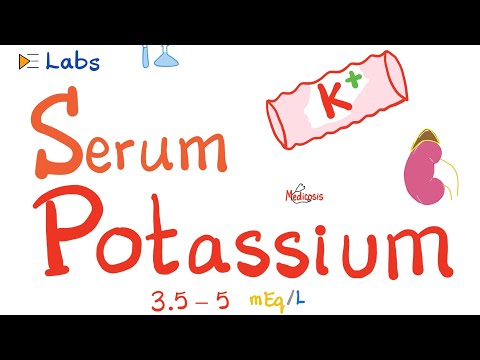
You know what’s kind of wild? Most people don’t even think about potassium until they hear they’re low on it. It’s like that quiet kid in the back of the class who ends up being a rock star! Hypokalemia, or low potassium levels in your blood, isn’t something you want to mess with.
I remember my friend Sam was always cramping up after his workouts. Turns out, he was practically running on empty when it came to potassium. He had no clue how crucial that little mineral is for muscle function and heart health.
So, let’s break this down a bit. What’s really going on with hypokalemia? How does it affect your body, and why should you care? You might be surprised at just how important potassium is for keeping everything ticking along smoothly! Stick around as we get into the nitty-gritty of its pathophysiology and why understanding it can change the game for some folks out there.
Comprehensive Review of NICE Guidelines for the Management of Hypokalemia in Clinical Practice
Hypokalemia, or low potassium levels in the blood, can be a serious issue. Potassium is super important for your body; it helps regulate heart function, muscle contractions, and nerve signals. So when your potassium dips too low, things can start to go sideways. The NICE guidelines, which stand for the National Institute for Health and Care Excellence, lay out how to manage this condition effectively.
Let’s break down some key points about hypokalemia and what those guidelines suggest.
Pathophysiology of Hypokalemia
Basically, hypokalemia occurs when potassium levels drop below 3.5 mmol/L in your blood. This can happen due to a variety of reasons:
- Excessive Loss: This often happens through urine or digestive losses. For example, certain medications like diuretics can cause you to pee out too much potassium.
- Inadequate Intake: Not getting enough potassium from your diet is another culprit. If you’re not munching on fruits and veggies, you could be at risk.
- Shift from Extracellular to Intracellular Fluid: Sometimes potassium gets pushed into cells due to conditions like metabolic alkalosis.
So when it comes to diagnosing hypokalemia, doctors usually look at these causes first.
Clinical Implications
Low potassium can lead to some pretty troublesome symptoms. Fatigue and muscle weakness are common signs that something’s off. But things could escalate quickly — arrhythmias (heart rhythm problems), paralysis, or even kidney issues could occur if it’s not dealt with promptly.
This is where those NICE guidelines come into play—they offer clear recommendations about treatment options:
- Identify the Cause: First off, figure out why someone has hypokalemia in the first place.
- Treat Underlying Conditions: If medications are causing the issue — say goodbye or adjust them if possible!
- Sodium-Potassium Replacement: Depending on severity, oral supplements might be enough for mild cases.
For more serious situations though—like if someone’s heart is in danger—intravenous (IV) potassium replacement might be necessary. Seriously though—this stuff needs close monitoring! Too much potassium really isn’t good either.
Dietary Considerations
Including more sources of potassium in your diet is a straightforward approach as well! Think bananas (of course!), oranges, potatoes—even leafy greens are great options. Getting back on track with food choices might do wonders for someone struggling with this condition.
Ultimately managing hypokalemia doesn’t just stop at monitoring levels; it requires a comprehensive approach that considers both medical treatment and lifestyle changes as highlighted by NICE guidelines.
So whether you’re working with patients or just curious about health stuff—keeping an eye on potassium levels can make a world of difference! It’s all about finding balance in what goes into our bodies—and knowing what signs to look out for really empowers you to catch problems before they get worse!
Comprehensive Guide to Hypokalemia: Understanding Causes, Symptoms, and Management – Downloadable PDF Resource
Hypokalemia is a fancy term for low potassium levels in your blood. Potassium is crucial for muscle function, heart health, and overall body balance. When those levels drop too low, it can lead to some serious issues, so understanding this condition is pretty important.
What causes hypokalemia? Well, there are a few culprits:
- Excessive loss of potassium through urine, often due to medications like diuretics.
- Chronic diarrhea or vomiting can deplete potassium quickly.
- A diet that lacks enough potassium-rich foods—think bananas, oranges, and spinach—can be a reason too.
- Certain health conditions like kidney diseases or adrenal gland disorders mess with your potassium levels.
The symptoms of hypokalemia can really vary. Some people might not notice anything at all! But others could experience:
- Muscle weakness or cramping which can feel like you’re trying to move through quicksand.
- An irregular heartbeat—this one’s a biggie because it can affect how your heart pumps blood.
- Fatigue or general feelings of weakness—you just can’t seem to shake it off.
If you ever find yourself feeling weird after working out or if you’ve been sick with a stomach bug, keep an eye out for these symptoms. You might want to chat with a doctor about it!
Now let’s talk management. First off, the best way to treat hypokalemia is by figuring out what caused it in the first place. If it’s due to medication? Your doctor might adjust your dose. If you’re losing potassium through your gut because of diarrhea? Managing that would be key. Sometimes just eating more potassium might do the trick! Here are some great sources:
- Baked potatoes—with the skin on!
- Sweet potatoes
- Dried fruits like apricots
You might also come across supplements. But hold on! Always consult with a healthcare professional before diving into those because too much potassium isn’t good either—it can lead to hyperkalemia which brings its own set of problems!
The bottom line? Hypokalemia might sound daunting but understanding what it is helps you keep tabs on your health. Whether it’s recognizing symptoms or knowing what foods can help boost your levels back up, staying informed puts you in control!
If you’ve got concerns about hypokalemia or think you may be at risk, seriously consider reaching out to someone who knows their stuff—a healthcare provider can walk you through everything from diagnosis to treatment options based on your specific situation.
Understanding Hypokalemia: Key Causes and Their Impact on Health
So, let’s talk about hypokalemia. It’s a fancy word for not having enough potassium in your body. Potassium is super important! It helps your muscles work, keeps your heart beating normally, and even helps with nerve signaling. Without enough of it, you can end up feeling pretty crummy.
Now, what causes this potassium shortage? Here are some key points:
- Diuretics: These are medications often used to help the body get rid of excess fluid. They can also flush out potassium, leading to low levels.
- Gastrointestinal loss: If you’re dealing with vomiting or diarrhea, you’re losing a lot of fluids and electrolytes—potassium included. Think about how you feel after a stomach bug; that’s not just dehydration; it’s also potassium loss.
- Poor dietary intake: Not eating enough potassium-rich foods like bananas, sweet potatoes, or spinach can contribute too. If all your meals consist of processed snacks and fast food, that might be an issue!
- Certain diseases: Conditions like diabetes and kidney disease can mess with your body’s ability to manage potassium levels.
You might be wondering: what happens when these levels drop? Well, symptoms can range widely. You could feel weak or fatigued easily—like when you’ve had a long day but didn’t do much at all! Muscle cramps are another common symptom; they’re never fun. In severe cases, low potassium can cause heart arrhythmias—basically irregular heartbeats—which is seriously something to pay attention to.
A personal note here: I remember hearing about a friend who was really into running but kept getting muscle cramps during his races. He found out later that his diet wasn’t giving him enough potassium! He added more fruits and veggies to his meals and eventually saw a big difference.
If someone suspects they have hypokalemia, usually doctors will first check blood tests for potassium levels. The treatment often involves dietary adjustments or supplements if needed. But remember! Always consult a healthcare professional before making any changes.
This whole thing just emphasizes how vital it is to keep an eye on our nutrient intake. Potassium isn’t the only player in the game; it works closely with other minerals like sodium and magnesium too! Balancing all these electrolytes is crucial for our health.
To sum up: hypokalemia is serious but manageable if caught early and treated properly. Keep those fruits and veggies coming!
So, let’s talk hypokalemia. You might be like, “What’s that?” Well, it’s basically when your body has low potassium levels. Potassium is this awesome mineral that helps your muscles and nerves work properly. Like, seriously, without it, things can get a bit messy.
I remember my friend Sam fainting one day while we were hiking. It was wild! Turns out he had hypokalemia from not eating enough potassium-rich foods like bananas. I mean, who knew a banana could save the day? But the thing is, potassium plays many roles in our bodies. It helps regulate heartbeats and keeps your muscles contracting smoothly—think of it like oil for the machinery of your body.
When potassium dips too low, you might feel weakness or cramps. Your heart can also start acting all funky, which is not cool at all. And honestly? It could lead to some serious complications if left unchecked. Doctors usually get a bit worried about it because it can mess with your body’s ability to function properly.
Okay, so how does this whole hypokalemia thing happen? There are a few ways it can sneak up on you. Sometimes it’s due to excessive loss through urine or sweating, like athletes who push themselves hard without replenishing their electrolytes (potassium is an electrolyte too!). Other times it could be from not getting enough potassium in your diet or even certain medications that mess with potassium levels.
Clinically speaking, if you’re feeling any of those symptoms—chronic fatigue or just feeling off—it’s worth checking out. Doctors might run some tests to figure things out because catching hypokalemia early can save you from a lot of headaches later on.
So yeah, while hypokalemia may sound technical and complicated at first glance, its implications are pretty down-to-earth—and super important for keeping us healthy. Just remember those bananas next time you’re at the store! Keep them handy because you never know when you’ll need a little potassium boost!