So, let me tell you a little story. A while back, I was at the gym trying to push my limits. You know, lifting heavier weights and feeling like a total beast. But then, the next morning? Ouch! Getting out of bed felt like trying to climb Mount Everest. Turns out, I was just super sore—classic right? But some folks can go way beyond sore; they end up dealing with rhabdomyolysis.
Now, that might sound like a mouthful, but hang with me for a sec. Rhabdomyolysis is basically when your muscles break down too much and release stuff into your blood that shouldn’t be there. Yikes! It can mess with your kidneys and really have some serious effects if you don’t catch it in time.
In this chat, we’re gonna get into the nitty-gritty of what happens in your body during this whole process and why it matters for everyone—from weekend warriors to people who are just living their life. So if you’ve ever pushed too hard or wondered about those muscle aches that just don’t quit, keep reading! You’re gonna want to stick around for this one.
Understanding Rhabdomyolysis Pathophysiology: Mechanisms and Implications in Clinical Science
Rhabdomyolysis is a term that sounds pretty intense, right? It’s basically when your muscle tissue breaks down and releases its contents into the bloodstream. The stuff that leaks out can be harmful. You see, our muscles are like tiny power plants, and when they go haywire, it can mess with the rest of our body.
So, what causes this chaos? Well, there are several reasons. Here are some of the main culprits:
- Trauma or injury: Think about a bad car accident or someone who falls hard during a sports game. When muscles get damaged, they start to break down.
- Excessive exercise: Ever heard of someone running a marathon without training properly? Yeah, that can lead to muscle breakdown. It’s like pushing your muscles too far too fast.
- Drugs and toxins: Certain medications or recreational drugs can also trigger rhabdo. For instance, statins (used for lowering cholesterol) sometimes have this side effect.
- Infections: Some infections can make muscles inflamed and lead to their breakdown.
Now on to the nitty-gritty: what actually happens in your body during rhabdomyolysis?
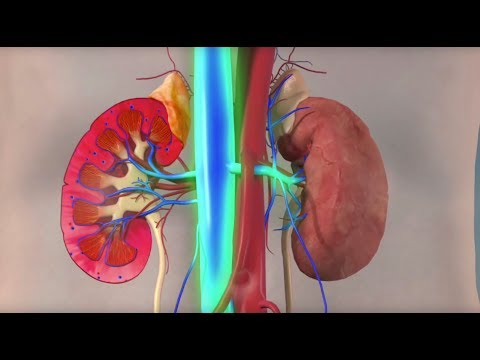
When muscle cells get injured, they release proteins like **myoglobin** into your bloodstream. Myoglobin is like a delivery truck for oxygen in your muscles. But once it hits the blood, trouble begins. Your kidneys try to filter out all this myoglobin but can get overwhelmed with all that extra baggage.
Here’s where things turn serious: if too much myoglobin accumulates in your kidneys, it can cause kidney damage or even kidney failure. Imagine pouring a bunch of sludge into a filter; eventually, it gets clogged up!
The **pathophysiology** of rhabdomyolysis involves several mechanisms:
- The breakdown of muscle fibers leads to **electrolyte imbalances**, like high potassium levels (hyperkalemia). This can mess up how your heart beats!
- Your body might go into shock because of all those damaged tissues releasing inflammatory substances.
- A combination of dehydration from losing fluids and the extra strain on your kidneys makes everything worse.
Clinical implications are pretty broad too. Patients may require different treatments depending on how severe their condition is.
For instance:
- If caught early enough, patients might just need fluids to rehydrate and help flush out toxins from their system.
- If kidney damage starts occurring, doctors might need to consider dialysis until everything stabilizes.
It gets dire if not managed properly! In severe cases, people could end up needing long-term care because muscle tissue loss can be significant.
I remember reading about a guy who decided to take on an ultra-marathon without prepping at all. He ended up hospitalised for rhabdomyolysis after running just 50 miles! It really hit home how important it is to listen to our bodies when we push them—sometimes they break down in unexpected ways.
So yeah – understanding rhabdomyolysis isn’t just important for medical professionals but also for anyone who engages in strenuous activity or takes certain medications. It’s crucial you stay informed and take precautions because you don’t want any surprise trips to the hospital!
Comprehensive Rhabdomyolysis Treatment Guidelines: Evidence-Based Approaches in Clinical Practice
Rhabdomyolysis, wow, that’s a mouthful, isn’t it? It sounds technical, but at its core, it’s all about what happens when muscle fibers break down and release their contents into the bloodstream. This can lead to some serious problems, like kidney damage. So, how do we tackle this condition? Let’s break it down.
First off, understanding the causes of rhabdomyolysis is crucial. Some common culprits include intense exercise, trauma, certain medications, and even extreme dehydration. Ever gone a bit too hard at the gym? Yeah, that could be an example!
Now, when it comes to symptoms, they can vary widely. You might notice muscle pain or weakness—sounds normal after leg day—but pay attention if it’s more than usual! Dark brown urine may also show up; it’s basically your kidneys trying to process all that muscle breakdown going on.
Once a diagnosis is made through tests (like checking creatine kinase levels), treatment starts. The main goal? To protect the kidneys and restore electrolyte balance. Here’s how:
- Hydration: One of the first lines of defense is fluid replacement. Giving IV fluids helps dilute harmful substances in your blood.
- Monitoring: Regularly checking kidney function is key. It’s like keeping tabs on how well your car runs by checking the oil levels.
- Medication: Pain relief might be necessary using things like NSAIDs but watch out! Some can affect the kidneys too.
- Avoiding complications: Being mindful of potassium and phosphate levels is important because imbalances can lead to heart issues or other complications.
But wait! It might sound easy peasy when I list these steps out like that—but treatment involves continuous adjustments based on the patient’s response. It’s not just one-size-fits-all!
And speaking of personal experience—there was this time a friend got so pumped about running her first marathon that she totally overdid it during training. She ended up with severe muscle cramps and dark urine afterward—not fun at all! Thankfully she went to get checked out right away, got treated with IV fluids, and bounced back pretty quickly.
To put everything together: rhabdomyolysis needs prompt recognition and an evidence-based approach for treatment. Quick hydration and monitoring are lifesavers for those affected by this condition.
So remember: if something feels off after exercising or if you see those warning signs—don’t hesitate to seek help! Keeping our muscles healthy means listening to what our bodies are telling us—after all—they’re doing a lot for us every day!
Exploring the Prevalent Causes of Rhabdomyolysis: Insights from Medical Science
Rhabdomyolysis is one of those medical terms that sounds super complicated, but when you break it down, it makes a lot of sense. Basically, it happens when muscle fibers get damaged and leak their contents into the bloodstream. It’s like your muscles throw a party and forget to clean up afterwards. The stuff released can be really harmful to your kidneys, which is why doctors take this condition seriously.
So what causes this muscle damage? There are a few big reasons (and some unexpected ones too) that you might find interesting:
- Intense Exercise: Ever pushed yourself too hard at the gym? Yeah, that can lead to rhabdomyolysis. Things like marathon running or heavy weightlifting can put extreme stress on muscles.
- Trauma: Car accidents or falls can cause significant enough injuries to your muscles. Think about how your body feels after a rough fall: sore and bruised, right?
- Infections: Certain infections can lead to muscle damage too. For example, viral infections like influenza might have some surprising effects on your muscles.
- Toxins: Some medications (like statins) or substances (alcohol or illegal drugs) can harm your muscle tissues. It’s kind of wild how what we put into our bodies has such a direct effect.
- Metabolic Disorders: Conditions like diabetes or hypothyroidism can also contribute to muscle issues. If your metabolism isn’t functioning normally, it can affect muscle health.
Now, let’s talk about how the body responds once this damage happens. When the muscle fibers break down, they release proteins—myoglobin being the main culprit here—into the blood. Myoglobin is normally found in muscles and helps store oxygen, but when there’s too much of it in circulation? Uh-oh! It can lead to kidney damage since those little organs have to filter out all that extra myoglobin.
But here’s where it gets real: not everyone with rhabdomyolysis shows obvious symptoms right away. Some folks might feel really achy or weak while others get dark brown urine—yep, just like cola! That’s actually one way doctors suspect something’s up.
Recognizing rhabdomyolysis early is crucial because if left untreated, it could lead to severe complications including kidney failure or even death in extreme cases. Imagine going from feeling sore after working out to facing serious health risks all because your muscles went haywire!
In terms of treatment? Hydration becomes key here! Doctors usually recommend drinking plenty of fluids to help flush out the toxins from your system. Sometimes people need IV fluids if they’re seriously dehydrated or having trouble keeping fluids down.
So next time you hear someone mention rhabdomyolysis, remember it’s not just a fancy term; it’s an important topic linked directly with how we push our bodies and what we need to watch for when things go wrong in our muscular system. Take care of those muscles—they do a lot for you!
Okay, so let’s chat about rhabdomyolysis. First off, that’s a pretty big word, right? It sounds like something straight out of a medical drama. But here’s the deal: it basically refers to when your muscle tissue breaks down and releases stuff into your bloodstream that shouldn’t be there. Imagine it like a factory explosion where all these harmful chemicals spill into the environment, messing things up.
Now, this can happen for a bunch of reasons. Maybe you’ve pushed your body too hard during a workout—like when that friend encourages you to lift “just one more rep,” and suddenly your muscles decide they’ve had enough. Or perhaps you’ve been hit with some intense dehydration or certain medications that aren’t playing nice with your muscles. It’s kind of wild how our bodies can react, isn’t it?
A friend of mine once told me about his terrifying experience with this condition after he decided to run a marathon without any proper training. The next day, he could barely get out of bed—it was like his muscles were crying for help! He ended up in the ER where they monitored his kidney function because that’s another biggie: when muscle cells break down, they spill myoglobin into the blood, which can be really hard on the kidneys.
If you’re wondering why this is important to know about, well, rhabdomyolysis can lead to some serious complications if it isn’t treated quickly enough. Like kidney failure or heart problems if things get really dicey. So paying attention to symptoms like extreme fatigue or unusual muscle pain is crucial.
But it’s not all doom and gloom! If caught early, many folks recover just fine. The key is awareness and listening to your body—if something feels off, don’t ignore it! You’ve got only one body; treat it well! It’s crazy how our everyday activities can have such profound implications on our health.
So yeah, even though rhabdomyolysis sounds super technical and scary at first glance, understanding its pathophysiology helps us appreciate how interconnected our bodily systems are. Just another reminder of how fascinating—and sometimes fragile—our bodies can be!