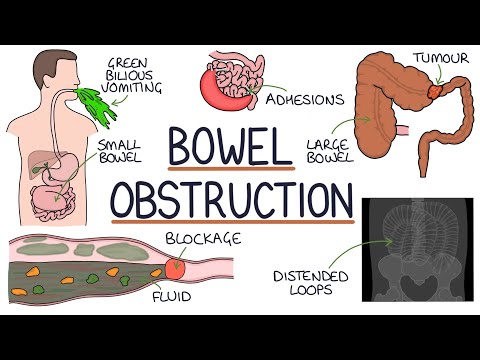
Ever tried to eat spaghetti and accidentally slurped way too much? You know, that moment when you think it’s all going smoothly, but suddenly your throat feels like a jammed highway? Well, that’s a bit what it’s like with small bowel obstruction.
Imagine this: your small intestine is like a bustling food highway. Everything is flowing nicely until something causes a traffic jam. It can be annoying and, honestly, kinda scary sometimes!
This isn’t just about feeling bloated. Small bowel obstruction can throw your whole body into chaos. It’s not just about food getting stuck; it’s about understanding how our insides react when things go awry. So let’s break this down together—‘cause trust me, it’s more interesting than it sounds!
Comprehensive Treatment Guidelines for Small Bowel Obstruction: A PDF Resource for Medical Practitioners
Small bowel obstruction (SBO) is a big deal in the medical world. It happens when something blocks the small intestine, which can lead to serious problems. You could think of it like a traffic jam in your gut—food can’t move through, and that’s not good news for anyone.
Pathophysiology of SBO is all about what goes wrong when this blockage happens. So let’s break it down. When there’s an obstruction, stuff starts piling up behind the block. This buildup can increase pressure in the intestines. You know when you have too much pressure in a balloon? That’s kind of what’s going on here, too.
As pressure builds up, the walls of the intestine get stretched out. This stretching can eventually lead to ischemia, which is when blood flow gets cut off. Think about if you were squeezing a tube of toothpaste too hard—the paste just can’t come out properly! Similarly, ischemia can start causing tissue damage if it lasts too long.
Moreover, fluid accumulation is another part of this mess. The body often reacts to an obstruction by producing more fluid in the intestines as a way to handle things—kind of like trying to clear a blockage with more water on a clogged drain. But this also contributes to some serious swelling and discomfort.
Now, what causes these obstructions? Well, they can result from various things including:
- Adhesions: These are bands of scar tissue that sometimes form after surgeries.
- Hernias: Parts of the intestine slip through weak muscles or tissues.
- Tumors: Growths that block the pathway.
- Inflammatory bowel diseases: Conditions like Crohn’s disease can also lead to obstructions.
Recognizing symptoms is super important for doctors—so they need guidelines that outline how to treat SBO effectively. Typical signs include severe abdominal pain, vomiting (especially if it looks like bile), bloating, and not being able to pass gas or stool.
Once identified, treatment usually starts with stabilizing the patient first; hydration and decompressing the abdomen are top priorities! Sometimes doctors might even use tubes (like nasogastric tubes) to help relieve that built-up pressure.
Depending on what’s causing the blockage and how severe it is, treatments might vary significantly:
- Surgical intervention: If there are adhesions or some sort of mass causing trouble, surgery might be necessary.
- Conservative management:: In less severe cases, doctors may choose observation along with supportive care.
And you know what? The outcomes often depend on how quickly treatment begins after symptoms show up. Early intervention usually means better results!
For medical practitioners looking for more detailed guidance on managing SBO comprehensively, a well-organized PDF resource could be incredibly useful! It would lay out all these points clearly along with recommendations based on clinical evidence.
In short, understanding small bowel obstruction isn’t just academic; it has real implications for people’s lives. And having those guidelines handy makes sure that patients get the best care possible quickly!
Understanding Bowel Obstruction Pathophysiology: Insights into Gastrointestinal Function and Dysfunction
Bowel obstruction can be pretty serious, and understanding how it happens can really help us grasp what goes on in our guts. So, basically, a **bowel obstruction** is when something stops food or fluids from moving through the intestines. This blockage can occur in either the small or large intestine, but today we’re focusing on the small bowel.
When you think about it, the small intestine is like a long twisty highway. This highway has to be clear for everything to move smoothly from point A to point B. So what causes these blockages? Well, there are a few common culprits:
- Adhesions: After surgery, scar tissue can form and cause parts of the intestine to stick together.
- Hernias: Sometimes, part of the intestine pushes through a weak spot in your abdominal muscles.
- Tumors: Both benign (non-cancerous) and malignant (cancerous) growths can block passageways.
- Inflammation: Conditions like Crohn’s disease or diverticulitis can make parts of your intestines swell up.
Now that we know some reasons why obstructions happen, let’s talk about what goes down in your body when this happens. When there’s a blockage:
1. Food and fluids start piling up behind the obstruction.
2. Your intestines try to push everything through but get all worked up.
3. This leads to increased pressure in that area—think of it like trying to blow air into a balloon that has a tiny pinhole.
4. If pressure gets too high, blood flow can decrease—this is no good because tissues start dying off without oxygen.
And here’s where it gets even messier: when parts of your intestine die (a condition called necrosis), bacteria can spill out into your abdomen! Yikes! This could lead to infections and other serious complications.
So you might wonder about the symptoms people face during this whole ordeal. Well:
- Pain: Cramping abdominal pain is pretty common.
- Bloating: You may feel like a balloon ready to pop!
- Nausea and vomiting: Since nothing’s moving right, you might start feeling pretty sick.
It’s wild how all these symptoms link back to that initial blockage! You may end up needing imaging tests like X-rays or CT scans for doctors to see what’s going on inside.
Treatment often involves relieving that pressure—sometimes through surgery if things get really bad—but sometimes doctors use medications or even put tubes in place to help drain fluids.
In summary, understanding** bowel obstruction pathophysiology** helps paint a vivid picture of gastrointestinal function and dysfunction. It emphasizes how interconnected our body’s systems are; like dominos falling over one after another when things go wrong down there! So treating these conditions early makes all the difference in keeping everything running smoothly and preventing more severe issues down the line.
Identifying Risk Factors for Small Bowel Obstruction: Insights from Gastroenterology Research
So, let’s talk about small bowel obstruction. It’s one of those medical issues that sounds a bit scary, right? Basically, it happens when something blocks the small intestine. This can lead to some serious problems if not addressed. Now, the big question is: what are the risk factors? You know, things that make someone more likely to experience this.
One major risk factor is having had surgery in the abdomen. Ever heard of adhesions? These are basically scar tissues that can form after surgery and might stick parts of the intestine together. It’s like when you have a really tangled set of earphones! And if that happens in your belly, well… good luck getting things through smoothly.
- Inflammatory bowel diseases: Conditions like Crohn’s disease can cause swelling and scarring in the intestines. Imagine trying to push pasta through a strainer that’s gotten all gunked up!
- Cancers: Tumors in or around the small intestine can create blockages. Think of it as an unwanted guest crashing your dinner party.
- Bowel ischemia: This occurs when blood flow to part of the intestines is reduced, which could lead to tissue death and blockages. It’s like having your favorite road get blocked off—no one’s going anywhere!
Anecdotally speaking, I remember hearing a story about a friend whose grandparent had this issue after multiple surgeries over the years. They were always in and out of hospitals because those pesky adhesions kept forming. It really brings home how important these risk factors are.
Age can be another significant risk factor too! As people get older, their intestinal walls might become less elastic and more prone to issues. Like with anything else we use for years—think of your favorite pair of jeans getting tight or worn out.
You also can’t forget about diet. High-fiber diets can be helpful for keeping things moving along smoothly in our intestines. But if someone suddenly switches from low fiber to high fiber without easing into it? Well, that could lead to intestinal blockages too! Talk about a rocky ride!
The key takeaway here is that small bowel obstruction isn’t just one thing; it’s a combination of factors working together—or against you—in some cases! The research around this topic helps doctors better understand and identify patients at risk so they can intervene early.
Understanding these risks puts everyone one step closer to better gut health! So next time you hear someone talking about their tummy troubles, remember these insights—it might just help them out!
You know, when it comes to understanding small bowel obstructions, it’s like peeking behind the curtain of the body’s inner workings. It’s not just about the blockage itself but really what happens when things aren’t flowing as they should in the digestive tract.
Imagine being at a party where everyone’s having a great time—music’s blasting, people are chatting, and food is everywhere. Then, suddenly, someone blocks the entrance. You can almost feel that shift in energy as everything goes from lively to tense. That’s kind of how your intestines feel during an obstruction.
The small intestine is super important for digestion and absorption of nutrients, so when something goes wrong—be it a tangled mass of tissue or an external pressure—it can throw everything out of whack. The food stops moving through smoothly, and that can lead to a buildup of gas and fluids. You start feeling bloated or nauseous because your body is basically throwing a tantrum saying “Hey! I need this stuff to move!”
In clinical practice, diagnosing this sort of condition isn’t just about looking at symptoms—like pain or vomiting—but also understanding what caused the blockage in the first place. Maybe it was a hernia or previous surgeries that left some scar tissue behind; you never know. Every patient tells their own story through these symptoms.
I remember hearing about a patient who had suffered for weeks with abdominal pain before finally landing in the ER. The doctors discovered it was due to scar tissue from an old surgery—such a twist in his life story! It really made me think about how complex our bodies are and how interconnected everything is.
What makes things even trickier is managing these patients once they’re diagnosed. On one hand, you want to relieve their discomfort immediately; on the other hand, sometimes surgery isn’t even necessary right away. It’s all about weighing options carefully.
So yeah, small bowel obstructions shed light on so many pathways within our bodies and require thoughtful care—it’s more than just treating symptoms; it’s about piecing together each person’s unique health puzzle while keeping compassion at the forefront. That balance between science and humanity? That’s truly what clinical practice should be all about.