So, picture this: you’re at a party, and someone brings up the human gut. Suddenly, everyone’s laughing, sharing wild stories about their digestive mishaps. You know the kind—like that one time you mistook a spicy burrito for a friendly taco? Yeah, that’s something we can all relate to!
But here’s the kicker: our bowels are way more than just the punchline of a joke. Seriously! They play a huge role in keeping us healthy. It’s not just about what goes in and what comes out; it’s all about how it all works together.
You’ve got your small intestine and large intestine, each with its own job in this amazing process called digestion. So let’s take a close look at their structure and function! Trust me, understanding your body can feel like unlocking some secret superpower—one that might even make your next dinner party conversation way more interesting.
Understanding the Function of the Bowel: Key Roles in Human Physiology
Alright, let’s talk about the bowel! You might not think much about it until something feels off, but this part of your body plays a super crucial role in keeping you healthy. So, what’s the deal with the bowel and its functions?
The bowel is basically divided into two main parts: the small intestine and the large intestine. Each has its own job to do, and together they contribute to our overall digestive health.
First up is the small intestine. This is where most of the magic happens. Food passes through here after it leaves your stomach. Inside the small intestine, all those nutrients we need—like proteins, fats, and carbohydrates—get absorbed. It’s kind of like a sponge soaking up water.
- Dueling Digestive Enzymes: The pancreas sends digestive juices that break down food even more, while the liver produces bile to help digest fats. It’s teamwork at its best!
- Length Matters: The small intestine is pretty long—about 20 feet! That gives your body plenty of time to snatch up all those nutrients before anything moves on.
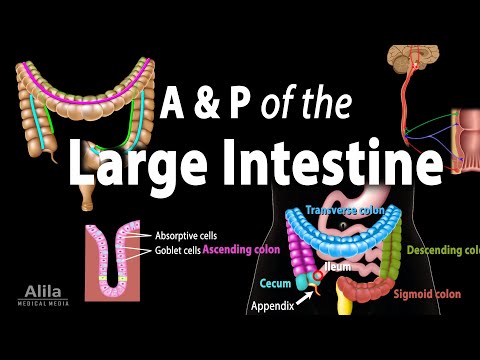
After this nutrient absorption party is over, what’s left heads to the large intestine. Here’s where things start getting serious about waste management.
- Water Reabsorption: The large intestine basically focuses on reclaiming water. You know how you can be dehydrated? Well, this part helps keep you from losing too much fluid by soaking up what it can from waste material.
- Bacterial Garden: Did you know your large intestine hosts trillions of bacteria? Yup! They help break down any leftover food particles in a process called fermentation. This isn’t just cool; these bacteria also produce some vitamins our body needs!
A little personal story: I once had a friend who couldn’t stop having stomach issues. After many visits to doctors and tests galore, they discovered it was a problem with their bowel function. Turns out they weren’t absorbing nutrients properly because of inflammation in their intestines. Once they got treatment, everything changed for them! Feeling better made such a difference—they were back to hiking and enjoying life again!
The body relies heavily on our bowels for overall health. When things are working well, we feel energized and happy. But if something goes wrong—like with conditions such as IBS (Irritable Bowel Syndrome) or Crohn’s disease—you might experience symptoms like pain or irregular bathroom habits.
Taking Care of Your Bowel Health:
- A Balanced Diet: Eating plenty of fiber-rich foods keeps everything running smoothly!
- Staying Hydrated: Drinking enough water helps keep waste soft and easy to pass through.
The truth? Your bowel does way more than you might think! And understanding how it works can really help when we want to maintain our health or deal with any digestion woes that pop up down the line.
This isn’t just anatomy; it’s about feeling good every day! So next time you munch on some veggies or drink that glass of water, remember you’re doing wonders for your bowl health!
Exploring the Most Common Bowel Problems: Insights from Gastroenterology
Sure thing! Let’s chat about bowel problems and gastroenterology, shall we? The gut is like a complex highway system in your body, taking care of a bunch of essential functions. When things go wrong, it can really mess with your day-to-day life.
First off, let’s get to know the bowel a bit better. The bowel consists of two main parts: the small intestine and the large intestine. The small one does a lot of heavy lifting when it comes to breaking down food and absorbing nutrients. It’s where all the good stuff gets into your body. Then there’s the large intestine, which is more about water absorption and what happens before you head to the bathroom.
Now, onto some common bowel problems that might just have you running for the restroom or scratching your head in confusion.
- Irritable Bowel Syndrome (IBS): This one’s super common and can be really annoying. People usually feel bloated, have belly pain, or alternate between constipation and diarrhea. Like, imagine having dinner with friends and suddenly needing to dash to the bathroom—embarrassing, right?
- Inflammatory Bowel Disease (IBD): This refers mainly to Crohn’s disease and ulcerative colitis. Both can cause inflammation in different parts of the bowel leading to serious discomfort. You might experience weight loss or severe pain. Crazy how something inside you can feel so intense!
- Constipation: One word here: oof! When things aren’t moving along smoothly in your gut, it can lead to straining during bathroom trips or feeling bloated for days on end.
- Diarrhea: On the flip side is diarrhea which sends you racing off when you least expect it! It often comes from infections or food intolerances—but hey, at least it reminds us how crucial our guts are.
- Celiac Disease: If you’re sensitive to gluten—like many people are—you might have celiac disease. This condition makes gluten (found in wheat, barley, rye) a real enemy for your bowels.
So why do we need gastroenterologists? These docs specialize in everything guts-related! They’re not only trained to diagnose these issues but also help manage them with lifestyle changes or medications. Like I mentioned before—it’s no picnic dealing with bowel problems! Sometimes people find themselves scared or embarrassed talking about this stuff.
On a personal note—a friend of mine had IBS. She’d be fine one moment but then would be battling cramps unexpectedly at work! It made her anxious about eating out, which isn’t fun when you’re trying to live your best life.
In summary—your bowels do a lot for you every day without getting much credit! But remember: if you’re dealing with any persistent gut issues—you shouldn’t hesitate to reach out to someone who’s trained in this field; because let’s face it—it affects everything from what we eat to how we feel overall. Keep your gut healthy!
Exploring the 12 Components of the Digestive System and Their Essential Functions in Human Physiology
So, the digestive system, huh? It’s one of those things we kinda take for granted until something goes wrong. Seriously, think about it: from the moment you take that first bite of your favorite pizza to, well, you know… the bathroom visit later on, it’s a pretty intricate process! Let’s break down the whole thing into its 12 major components and what they do.
The Mouth
This is where everything kicks off. When you chew your food, it gets mixed with saliva, which has enzymes that start breaking down carbohydrates. It’s like a little pre-digesting party in there!
The Salivary Glands
These guys are crucial for keeping your mouth moist and helping with digestion. They produce saliva filled with enzymes like amylase that begin breaking down food before it even makes it to your stomach.
The Esophagus
After chewing, food travels down the esophagus—a muscular tube connecting your throat to your stomach. It uses muscle contractions (called peristalsis) to push food along. Think of it like an express elevator for your chow!
The Stomach
Once food arrives in the stomach, things get wild! It mixes with gastric juices that contain hydrochloric acid and enzymes, breaking proteins down into smaller pieces. Imagine tossing everything into a pot and letting it boil a bit; that’s pretty much what happens here!
The Small Intestine
Next up is the small intestine—this is where most of the magic happens! It’s divided into three parts: duodenum, jejunum, and ileum. The small intestine absorbs nutrients through its walls into the bloodstream. If you’ve ever seen tiny villi sticking out from the walls in diagrams—that’s them doing their thing!
The Pancreas
The pancreas has a dual role: producing insulin (to manage blood sugar) and secreting digestive enzymes into the small intestine to help break down fats, proteins, and carbohydrates. It’s like having a personal chef preparing all kinds of dishes at once!
The Liver
The liver processes nutrients absorbed from the small intestine and produces bile—necessary for digesting fats. If you think about your body as a factory line, this is where all those raw materials get sorted out.
The Gallbladder
The gallbladder stores bile produced by the liver until it’s needed in digestion. When you eat something fatty, this little pouch releases bile to help emulsify those fats so they’re easier to digest.
The Large Intestine (Colon)
Just when you thought we were done—surprise! The large intestine absorbs water from indigestible food matter and compacts waste into stool. It’s like cleaning up after a big dinner party!
The Rectum
This part serves as storage for stool before it gets eliminated from the body through… well, you get it! It’s kind of like when you’re holding onto leftovers before tossing them out.
The Anus
Finally, we have what might be considered nature’s final gatekeeper—the anus lets waste leave your body when you’re ready to let go of what you don’t need anymore. It’s all part of keeping things balanced inside!
So yeah, each component plays its role in keeping us healthy by breaking down our food and allowing our bodies to absorb nutrients effectively. Isn’t it kinda mind-blowing how everything works together? Each part contributes to making sure we’re nourished—and makes those pizza nights possible!
Alright, let’s chat about something we all have, but not everyone thinks about—our bowels. Yep, those intestines that do their thing behind the scenes. It might seem a bit awkward, but understanding bowel anatomy is kinda important for our health, you know?
So picture this: you’re munching on your favorite tacos with friends, laughing, and chatting. Suddenly, someone brings up digestion. Weird topic for a dinner vibe, right? But then you realize how crucial it is! The food you’re enjoying goes through this whole process that takes place in your body—like a little adventure from mouth to gut!
Let’s break it down a bit. Your digestive system is like a long tube that starts at your mouth and ends at the other end with your… well, you get it. Along the way, there are organs like the stomach and intestines that help break down food and absorb nutrients. The small intestine is where most of this magic happens—it’s super long but packed into your belly like a tight coil! Think of it as your body’s sponge soaking up all the goodness from what you eat.
Then there’s the large intestine—or colon—which has its own job too. It mainly absorbs water and prepares waste for exit (not exactly glamorous work!). But hey, it helps keep everything balanced so you’re not running to the bathroom every few minutes.
What really gets me thinking is how these structures affect health. Ever had an upset stomach? Or felt sluggish after eating junk food? That’s because what goes on in our guts impacts our overall well-being more than we often realize! A healthy bowel can mean better energy levels and even improved mood—crazy how interconnected everything is!
And here’s something intriguing: did you know that our gut houses trillions of bacteria? Yeah! It’s known as the gut microbiome. These little guys play vital roles in digestion and even protect us from harmful bacteria. Kind of wild when you think about it; we’re literally never alone inside!
So next time you’re enjoying those tacos—or whatever floats your boat—take a moment to appreciate what your bowels are doing for you. They work tirelessly day in and day out so you can enjoy life without thinking much about it. Isn’t that something? And who knows? You might even find yourself wanting to learn more about how to keep them happy—it can truly make a difference!