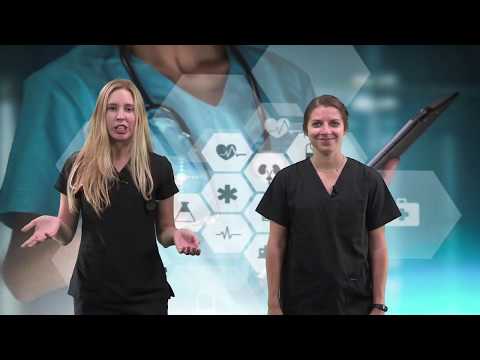
So, the other day, I was talking to my friend who’s a nurse, right? She was telling me about how she spent over an hour trying to track down a patient’s medical records. Can you imagine? In this tech-savvy world we live in, that just seems a bit outdated, don’t you think?
Well, here’s the thing: nursing has been mixing it up with advanced health informatics lately. It’s kind of like that moment when your favorite band drops a new album that totally changes the game. You know the one—where everything just clicks!
Integrating nursing practice with health informatics is like combining peanut butter and jelly. Seriously! It sounds simple, but when it works well, it’s pretty magical. Nurses aren’t just caring for patients anymore; they’re also becoming tech wizards, using data and technology to improve care.
And hey, if you’re intrigued about how this all shakes out in real life—like how your local nurse is turning into a data detective—then stick around! There’s so much to unpack here, and I promise it’s going to be interesting!
Integrating Informatics in Nursing Practice: Enhancing Patient Care through Technology in Healthcare Science
Integrating informatics into nursing practice is, like, super crucial these days. It’s all about using technology to improve patient care and streamline healthcare processes. So, what’s the deal with this integration? Well, let’s break it down.
First off, health informatics is basically the collection and analysis of health data to improve patient outcomes. Nurses are often on the frontlines of patient care, and when they use tech tools efficiently, it can transform how they work. Imagine a nurse who has immediate access to a patient’s medical history right at their fingertips. Instead of digging through paper records or waiting for someone to find information, they can make decisions faster and more accurately.
Electronic Health Records (EHRs) are one of the biggest game-changers in this area. With EHRs, everything about a patient—from allergies to lab results—is stored digitally. This not only saves time but also reduces errors that might happen with manual entries or miscommunications during shift changes. For instance, if you’re in an emergency room and need to know a patient’s medications quickly, pulling up their EHR beats flipping through scattered paperwork any day!
But it goes beyond just having data at hand. Nurses can also use clinical decision support systems (CDSS). These systems provide nurses with evidence-based recommendations based on specific patient data. So let’s say you’re treating someone with diabetes; CDSS can help you decide on medication dosages tailored for that person rather than relying solely on your training or experience.
And don’t forget about telehealth! In recent years, especially during the pandemic, it became essential for patients who couldn’t easily visit hospitals or clinics. Through virtual consultations, nurses can continue providing care without putting anyone at risk. You know how sometimes it’s tough for people in rural areas to get access to healthcare? Telehealth helps bridge that gap.
And here’s where it gets super interesting: data analytics. When nurses integrate data analytics into their practice, they’re not just looking at individual cases anymore; they’re seeing trends across populations. This means if a particular medication isn’t working well for a group of patients, they could analyze why—was it dosage? Timing? Or maybe there are better alternatives available?
Well, there’s another cool aspect too! Incorporating informatics means there are fewer chances for burnout among nurses. When routine tasks become more automated or streamlined through tech solutions—like scheduling or documentation—it frees up time for them to focus on what they do best: caring for patients!
To sum up: integrating informatics in nursing practice enhances care through improved accuracy and efficiency while empowering nurses with tools that keep patients safe and well-informed. By leveraging technology like EHRs, CDSSs, telehealth solutions, and data analytics—nurses aren’t just surviving; they’re thriving in an ever-evolving healthcare landscape!
So yeah! The future looks bright when we mix healthcare with smart tech—and that’s something everyone should be excited about!
Exploring the Integration of AI in Nursing: Transforming Healthcare Through Science and Technology
So, let’s chat about how AI is changing the game in nursing. It’s like we’re on the brink of something big, you know? AI technology is merging with healthcare, and it can transform how nurses operate daily.
Think of nursing as this intricate dance between caring for patients and keeping up to date with medical advances. Now, picture AI stepping onto the floor. It’s not here to take over; instead, it lends a helpful hand. Here are some ways that’s happening:
- Data Management: Nurses deal with tons of patient data every day. AI can help analyze that data quicker than you can say “charting.” For instance, when a nurse inputs a patient’s symptoms, AI can predict potential diagnoses based on vast databases of similar cases.
- Predictive Analytics: Imagine knowing what might happen to your patient before it actually does! AI uses historical data to forecast health outcomes. That means nurses can step in sooner if a patient’s health seems to be declining. Seriously cool, right?
- Triage Support: In busy hospitals, deciding who needs immediate care first is crucial. AI helps with triage by analyzing symptoms and suggesting priorities for treatment. This allows nurses to focus their energy where it’s most needed.
- Personalized Care Plans: Each patient is unique, and so should be their care plans. With AI’s capability to assess different variables (health history, lifestyle), it can help nurses craft tailored treatment strategies.
- Robotic Assistance: Ever seen a robot helping with tasks? Hospitals are beginning to use robots for things like medication retrieval or transporting supplies. That means nurses have more time for direct patient care—what they do best!
You know how sometimes you feel that connection with your nurse? That compassionate touch makes all the difference in healing. While AI supports the techy side of things, that human aspect still relies on skilled professionals who understand patients’ needs deeply.
Now let me share something personal here: I once had an incredible nurse who not only cared for my physical health but also took time to listen to my worries about an upcoming procedure. I remember her smiling and saying that she would stay by my side through it all—it made such a difference! And that sense of empathy is irreplaceable by any algorithm or machine.
But hey, there’re some challenges too! Not everyone feels confident about integrating new tech into their practice. Some might worry about job security or whether they’ll lose that personal touch with patients because of machines.
It’s essential for healthcare institutions to provide training. This way, nurses aren’t just thrown into the deep end without support when using new tools—helping them understand how AI can complement their existing skills.
And let’s not forget about ethics! The integration of AI in nursing should always keep patient privacy at its core—data security must be a top priority as these technologies evolve.
In short, integrating AI into nursing isn’t just about getting fancy gadgets; it’s more like having an advanced toolkit ready at your side while you care for your patients with warmth and expertise. It’s really exciting stuff when you think about how science and technology come together in this field!
Exploring Initiatives that Integrate Informatics into Nursing Practice: Advancing Healthcare Science
Sure! Let’s chat about how nursing and informatics are coming together to make healthcare even better.
First off, you might be wondering what informatics really means. Basically, it’s all about using technology to handle health information. Think of it as the bridge between data and patient care. When nurses get comfy with high-tech tools, they can improve their workflow and focus more on what they do best—caring for patients.
1. Enhancing Patient Care
When nurses use advanced informatics, they can deliver more personalized care. For example, electronic health records (EHRs) allow nurses to quickly access a patient’s history and treatment plans. This means if someone has allergies or specific medications they’re on, it pops up right there in front of them. It’s like having a superpower that helps avoid medication errors!
2. Data for Decision Making
Nurses now have access to tons of data that help them make informed decisions. Imagine a nurse tracking vital signs over time through digital tools—it helps to spot trends and act before small issues become big problems. For instance, let’s say a patient is showing early signs of infection; if the data indicates changes in temperature or heart rate, the nurse can jump on it right away.
3. Telehealth Innovations
Telehealth has taken off big time! With nursing informatics in play, healthcare can reach people in remote areas or those who just can’t make it into the office easily. Nurses can set up virtual visits or monitor patients remotely through applications that collect information straight from home devices like blood pressure cuffs or glucose monitors.
4. Quality Improvement
Using analytics software allows nurses to identify areas where healthcare services can be improved. If a hospital notices that certain treatments are taking longer than expected due to paperwork issues, informatics tools help find solutions—whether it’s optimizing processes or improving software interfaces.
5. Education and Training
Integrating informatics into nursing practice isn’t just about using new tech; it’s also about ongoing learning! Schools are incorporating more tech training into nursing curricula so that future nurses feel empowered and ready for this digital world when they hit the ground running after graduation.
All these points connect back to one theme: the fusion of technology with compassion. That blend allows nurses to spend less time sorting through paperwork—frankly tedious stuff—and more time actually connecting with their patients.
In short, integrating informatics into nursing isn’t just helping improve workflows; it’s genuinely transforming patient care for the better! So next time you visit your doctor or nurse who uses these tools, know there’s a whole lot going on behind-the-scenes to keep your health on track!
So, you know how we always talk about the importance of communication in healthcare, right? Well, integrating nursing practice with advanced health informatics feels like a game changer. I mean, think about it: nurses are often on the front lines, dealing directly with patients. They see things that others might miss. When you bring in technology and data, it’s like giving them superpowers!
I remember a time when my aunt was in the hospital. She was recovering from surgery and had her nurses constantly checking her vitals and medications. One nurse, who seemed really tech-savvy, was using a tablet to log information instead of just scribbling it down on paper. It made me realize how much easier it must be for her to track changes in my aunt’s condition using digital records. Seriously! That nurse could instantly pull up past data or notes from other caregivers without running around with clipboards.
So basically, nursing isn’t just about bedside manners anymore; it’s also about mastering these advanced tools that help improve patient care. With health informatics, you can analyze patterns from tons of data—like tracking outbreaks or even understanding what treatments work best for certain populations! That information can help nurses make quicker decisions and provide better care.
But yeah, there’s that tricky bit: not everyone is on board with tech advancements. Some people might feel overwhelmed or think it’s too impersonal to rely on screens instead of face-to-face interaction. And I totally get that! But when used right, these tools add a layer of support rather than take away the human touch.
In the end, integrating nursing with health informatics can’t just be about shiny new gadgets; it’s all about making lives better—both for the patients and those who care for them. So here’s to hoping more people embrace this change because we’re talking about potentially saving lives here! Isn’t that enough motivation?