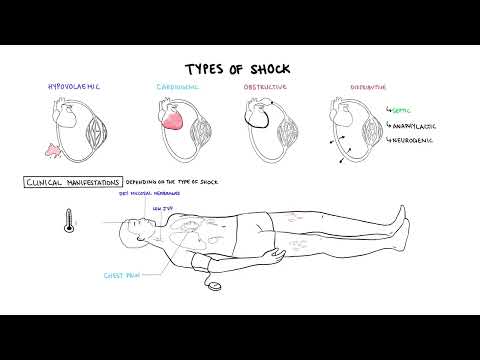
You know that feeling when you stand up too fast and, whoosh, the world spins? That’s kind of a tiny peek into hypovolemic shock. It’s like, your body’s way of saying, “Whoa there! We’re running low on fuel!”
Imagine if your car ran out of gas in the fast lane. Not fun, right? Well, in our bodies, that “gas” is blood. When it drops too low due to things like bleeding or severe dehydration, it can lead to some serious trouble.
Hypovolemic shock isn’t just a fancy term for being tired or dizzy. It’s about how your organs start freaking out because there’s not enough blood pumping around to keep things groovy. And trust me—understanding this stuff can be super helpful. I mean, knowing how your body ticks is always a win!
So let’s break it down together—what happens when we hit those red flags and what it all means for our health down the line. Sound good?
Comprehensive Approaches to Hypovolemic Shock Treatment: Evidence-Based Strategies in Emergency Medicine
Hypovolemic shock, huh? It’s a big deal in emergency medicine. Basically, it happens when there’s a **significant drop in blood volume**. This can be due to things like heavy bleeding or severe dehydration. When your body loses too much blood or fluids, it can’t deliver enough oxygen to your organs. Pretty serious stuff!
When treating hypovolemic shock, the focus is on restoring that lost volume quickly. So, let’s break down some evidence-based strategies.
Fluid Resuscitation is often step number one. You wanna give IV fluids right away! It usually starts with isotonic solutions like normal saline or Lactated Ringer’s. They help replenish lost fluids and maintain blood pressure.
Transfusion of red blood cells might also be necessary if the bleeding is severe and the patient is anemic. This helps get those oxygen-carrying capacity back up to speed.
Now, speaking of bleeding—let’s chat about surgical intervention. Sometimes surgery is needed to fix internal injuries or stop the bleeding directly. Think of it as patching up a tire that keeps losing air; you gotta address where it’s coming from.
Then there’s medication management. In certain cases, doctors might use vasopressors to help maintain blood pressure when fluid resuscitation isn’t enough. It’s kinda like giving your system a little boost when it needs it most.
Oh, and don’t forget about monitoring vital signs. This can’t be overstated! Keeping an eye on heart rate, blood pressure, and oxygen saturation lets healthcare providers track how well the treatments are working.
Then there’s that whole idea of early identification. The sooner you recognize hypovolemic shock in a patient, the better their chances are for recovery. Quick decisions can save lives!
Lastly—and this may sound simple, but it’s so important—keep assessing and adapting treatment based on how the patient responds. If something isn’t working as expected, adjustments should be made immediately.
So yeah, managing hypovolemic shock takes teamwork and quick thinking in emergency situations! The faster you act and implement evidence-based strategies, the better outcomes there tend to be for patients facing this scary condition.
Understanding Hypovolemic Shock: Comprehensive Guide and PDF Resource for Healthcare Professionals
Hypovolemic shock is a serious condition that happens when your body loses a lot of blood or fluids, leaving it unable to function properly. Imagine running a car without enough gas—you can’t expect it to run smoothly, right? Well, your body works kind of like that. When it doesn’t have enough volume—whether from bleeding or dehydration—it can lead to weak circulation and inadequate oxygen delivery to vital organs.
So, what’s the deal with hypovolemic shock and its pathophysiology? Basically, when there’s a significant drop in blood volume, your heart tries harder to pump what little blood remains. This is called compensatory mechanisms. Your body releases hormones like adrenaline to help get more blood flow to critical areas. But if things don’t improve quickly, these compensatory efforts can start failing.
Some key points about hypovolemic shock include:
- Causes: It could be due to trauma, heavy bleeding from injuries or surgeries, or severe dehydration from conditions like diarrhea or vomiting.
- Signs: You might notice rapid heartbeat, low blood pressure, pale skin, dizziness, and confusion.
- Stages: This condition typically has four stages: mild (compensation still working), moderate (early signs showing), severe (serious drop in organ function), and irreversible (where recovery becomes incredibly difficult).
A personal story comes to mind. Once I read about someone who experienced severe dehydration on a hiking trip. When they finally got help, their body was close to shutting down because they’d lost so much fluid—kind of like a plant wilting under the sun without water. It’s chilling how fast things can go downhill!
Now let’s talk about clinical implications—this is where it gets crucial for healthcare professionals. The first thing is rapid assessment. Detecting hypovolemic shock early can make all the difference in treatment outcomes. That means checking vital signs frequently and looking for signs of inadequate perfusion.
Treatment usually involves:
- Fluid Resuscitation: Administering IV fluids quickly helps restore blood volume.
- Control Source of Bleeding: If the cause is hemorrhagic shock due to an injury, addressing that source becomes paramount.
- Monitoring: Keeping an eye on vital signs and symptoms during treatment ensures that any changes are caught early.
In conclusion—and although we’re not wrapping up just yet!—the management of hypovolemic shock needs immediate action and systematic approaches. For healthcare pros out there needing resources like PDFs or detailed guidelines on this topic, there are plenty! Just remember: understanding the underlying problems lets you make informed decisions in those critical moments.
Taking all this into account might seem overwhelming at first but breaking it down makes sense. It’s not just about knowing the facts; it’s about saving lives—making sure everyone has enough “gas” in their tank!
Understanding Hypovolemic Shock: Key Concepts and Clinical Implications for Science
Hypovolemic shock is a serious condition that happens when your body loses a lot of blood or fluids. When this occurs, there’s not enough blood to pump around, leading to insufficient oxygen and nutrients reaching vital organs. It’s like when your car runs low on gas; it just can’t function properly anymore, you know?
Let’s break down the key concepts behind hypovolemic shock and why it matters:
1. Causes
The most common triggers include severe bleeding from injuries, burns, or dehydration. Imagine someone who has been in a car accident and lost a lot of blood; their body is in crisis mode!
2. Symptoms
Symptoms can vary but often include rapid heartbeat, low blood pressure, confusion or disorientation, and pale skin. You might feel weak or dizzy too. It’s the body’s way of saying there’s trouble ahead.
3. Mechanism
When blood volume drops significantly, your heart rate speeds up to compensate. This is your body trying to maintain circulation even when it’s running on fumes! If the volume isn’t restored quickly—by fluids or transfusions—multiple organs can start shutting down; that’s pretty scary stuff.
4. Diagnosis
Doctors usually diagnose hypovolemic shock through physical exams and tests like checking blood pressure and heart rate or looking at lab results for electrolyte imbalances.
5. Treatment
Immediate treatment focuses on restoring fluid balance to stabilize the patient. This might involve IV fluids or blood transfusions to increase volume again—kind of like giving an empty gas tank a good fill-up!
In a clinical context, understanding hypovolemic shock is crucial for healthcare providers because quick recognition can save lives. The quicker they act, the better chance for recovery.
Remember that this condition doesn’t just pop up out of nowhere; it’s often a sign of underlying issues that need attention too! For example, after severe trauma accidents, physicians must be super vigilant about watching for signs of hypovolemic shock in patients.
So overall, understanding hypovolemic shock helps in both daily medical practice and research realms—it’s about knowing how your body reacts under stress and how medical professionals can step in to rescue those in danger!
Alright, so let’s chat about hypovolemic shock. It sounds super complex, but it boils down to the body losing a lot of blood or fluids really quickly. Think about it like your car running out of gas; without fuel, it just stops working. Same goes for our bodies. When you lose a significant amount of blood—due to an injury or something like dehydration—the organs don’t get enough oxygen, and that can lead to some serious trouble.
Now, I remember my friend Sam from college. He was the kind of guy who never seemed to take care of himself properly. One day, he got into this gnarly biking accident and ended up losing quite a bit of blood. We thought he was just being dramatic when he complained about dizziness, but once we realized how pale he looked and that he was getting increasingly weak, we rushed him to the ER. Turns out, he was in hypovolemic shock!
When someone is in this state, their heart starts racing like it’s trying to keep up with a marathon runner—trying to pump whatever little blood there is left around the body. The body’s clever; it redirects blood flow away from less vital areas (like your skin) and shunts it toward more crucial organs (like the heart and brain). But here’s the kicker: if this keeps happening without proper treatment, organs can start failing pretty fast.
Clinically speaking, recognizing hypovolemic shock is key because time is not on your side here. Medical folks often check vital signs like heart rate and blood pressure—if someone’s heart’s racing but their blood pressure’s dropping? That’s a huge red flag! There’s this clinical practice where they use a scoring system called the “Shock Index” which helps assess how bad things are too.
So what do doctors do? Well, they’ll likely start by administering IV fluids or even packed red blood cells to replace lost volume—that’s like filling your car back up with gas! It’s all about stabilizing the patient first before diving into fixing whatever caused that fluid loss in the first place.
And yeah, it’s kind of scary when you think about how quickly everything can spiral out of control because of something as seemingly straightforward as losing fluids. It reminds you just how fragile our systems can be! So really keeping an eye on symptoms—like extreme thirst or weakness—is super important in preventing further complications.
In short, understanding hypovolemic shock isn’t just for medics; it’s beneficial for everyone since we all have bodies that can run into trouble when things go haywire. And hey, next time you hear someone mention ‘shock,’ you might just remember Sam’s story and realize there’s a lot more beneath the surface than meets the eye!