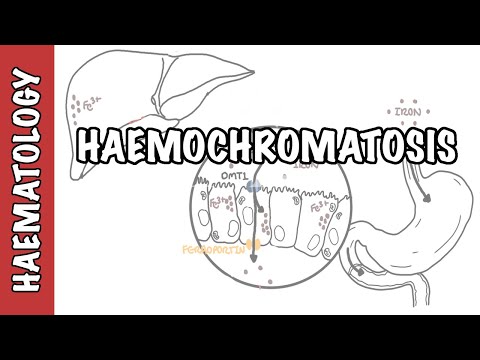
So, here’s a little tidbit: did you know that some people can actually have too much iron in their bodies? Yeah, it’s a thing called hemochromatosis. It’s crazy when you think about it. The stuff we need to survive can also turn into a potential villain.
Picture this: your body is like a well-organized closet. You’ve got all your clothes just where you want them. But then someone keeps throwing in new jackets until you can’t close the door anymore. That’s what happens with iron in hemochromatosis—too much of a good thing can definitely be bad!
Now, this isn’t just about having extra iron lying around. It messes with your organs and can lead to some serious health issues if it goes unchecked. You might be wondering how all this happens or why it matters. Well, buckle up! Let’s break down the pathophysiology of hemochromatosis and see what it means for those dealing with it in real life.
Understanding the Pathophysiology of Iron Overload: Mechanisms and Implications in Medical Science
Iron overload is a condition that sneaks up on people, often without them even knowing it. Basically, when your body takes in too much iron and can’t get rid of the excess, things can go awry. This can be particularly evident in a disorder called **hemochromatosis**. Understanding how this works is super important not just for patients but also for doctors and scientists who are looking to tackle it.
So, let’s break it down.
First off, iron is essential for your body. It helps make red blood cells and transports oxygen. We need it to stay healthy. But when you have too much of it, **serious issues** can arise. The body doesn’t have a built-in mechanism to expel excess iron the same way it does with some other minerals.
Now about hemochromatosis: That’s where genetics come into play. Imagine you inherit a gene from your parents that messes with your body’s ability to regulate iron absorption from food. So instead of balancing things out, your body just keeps soaking up iron like a sponge! Over time, this accumulation can lead to damage in organs like the liver, heart, and pancreas.
But wait—how does this damage happen? You see, excess iron generates compounds known as **free radicals**. These little troublemakers cause oxidative stress, which damages cells and tissues over time. It’s like rust forming on metal; eventually, that rust leads to something breaking down.
Here are some critical points about the pathophysiology of iron overload:
- Excessive Absorption: In individuals with hemochromatosis, iron absorption from diet goes haywire due to genetic mutations.
- Organ Damage: Organs like the liver or heart suffer because they can’t handle all that extra iron.
- Oxidative Stress: The buildup leads to free radicals which cause further cellular damage.
- Cirrhosis Risk: Long-term exposure can lead to cirrhosis of the liver—a serious condition.
- Heart Issues: Iron overload can cause cardiomyopathy—basically weakening the heart muscle.
Alright, so what do we do about it? Regular blood tests can help catch elevated ferritin levels—the protein that stores iron—before things get too out of control. If someone tests positive for hemochromatosis or shows signs of high iron levels, treatments are available! Phlebotomy (or bloodletting) is one common method used where they remove blood periodically to drop those pesky iron levels down.
There’s also chelation therapy where medications bind to excess iron so you can excrete it through urine instead of letting it hang around in your organs.
So why care about all this? Well, understanding the mechanisms behind disorders like hemochromatosis means better care options and hopefully fewer complications down the line for those affected by this condition. Whether you’re a medical professional or someone just wanting to know more about health issues—and maybe you’ve seen someone you care about struggle with this—it’s all important stuff!
In short: keep an eye on those iron levels because when they tip into overload territory? That’s when trouble starts brewing!
Understanding the Pathophysiology of Hemochromatosis: Insights into Iron Overload Disorders
Hemochromatosis, has a pretty serious reputation in the world of health, but let’s break it down together. It’s all about iron overload in your body. We all need iron, right? It helps carry oxygen in our blood and keeps us energetic. But when there’s too much iron? Well, that can lead to some tricky situations.
So, what happens is your body starts to absorb excessive amounts of iron from food. And this isn’t something you can just shake off; it builds up over time and can wreak havoc on various organs. Think liver, heart, pancreas—those guys don’t appreciate the extra weight.
Now, let’s get into the nitty-gritty with some key points:
- Genetic Factors: Most often, hemochromatosis is caused by a mutation in a gene called HFE. This mutation affects how your body regulates iron absorption.
- Ineffective Regulation: Under normal circumstances, your intestines absorb iron and send signals to limit further absorption when levels are adequate. With hemochromatosis, this system gets out of whack.
- Organ Damage: As the excess iron accumulates, it can lead to serious conditions like liver cirrhosis or diabetes due to pancreatic damage.
- Symptoms You Might Notice: Fatigue, joint pain, and skin changes are common indicators that something’s off with your iron levels.
It’s easy to overlook these symptoms at first since they’re kinda generic. I remember when my buddy Joe thought he just had a rough week at work—turns out his body was holding onto too much iron!
Complications from untreated hemochromatosis can be really severe. For instance:
- Liver Disease: Prolonged excess iron leads to scarring or even liver cancer.
- Your Heart: Iron overload can mess with your heart rhythm and cause cardiomyopathy.
- Cancer Risk: There’s an increased risk of certain cancers like liver cancer due to chronic inflammation caused by excessive iron deposits.
Diagnosis usually involves blood tests looking for elevated levels of ferritin (that’s our friend that stores iron) and transferrin saturation (which measures how much iron is loaded onto transport proteins). If these levels look suspiciously high? Doctors might recommend genetic testing or even a liver biopsy.
Now for the treatment part! It sounds intense but hear me out: therapeutic phlebotomy is one of the primary treatments. Basically, they take blood out of you regularly (like donating blood) until those pesky iron levels drop back down.
Dietary changes matter too! Reducing high-iron foods and avoiding vitamin C supplements while minimizing alcohol intake can all help manage this condition effectively.
To wrap it up: understanding how hemochromatosis works gives you power over it! Catching it early makes a world of difference—trust me on that one; no one wants their organs burdened by excess metal! So keep an eye on those symptoms and stay informed about what goes on inside your body—it really matters!
Hemochromatosis Pathology: Understanding Genetic and Environmental Factors in Iron Overload Disorders
Okay, let’s chat about hemochromatosis. It sounds super complex, but stick with me! Basically, it’s a condition where your body absorbs too much iron from the food you eat. You know how our bodies need iron for things like making blood? Well, in hemochromatosis, it’s like a tap that just won’t stop running. This can lead to serious issues over time.
There are two main players here: genetic factors and environmental factors. Let’s break these down a bit.
- Genetic Factors: Most people with hemochromatosis have a mutation in the HFE gene. This gene helps regulate how much iron your body takes in. If it’s not functioning right, your body goes into overdrive and absorbs way more iron than it needs.
- Environmental Factors: So, what you eat can really matter! A diet high in red meat or alcohol can exacerbate the problem. It’s like pouring gasoline on a fire! Also, certain conditions can make it worse—like liver disease or other metabolic disorders.
I remember when my friend Mark was diagnosed. He had been feeling tired all the time but thought it was just work stress. When he finally got tested, they found his iron levels were way off the charts! His story highlights how sneaky this condition can be; you might not even know something’s up until it’s pretty advanced.
The cool thing is that if caught early enough, treatment options are available! Phelbotomy, which is basically just taking blood out of your body to reduce the excess iron, is common. Some people also may need medication to help manage their iron levels.
Pathophysiology, fancy word alert! It refers to what happens inside the body when someone has hemochromatosis. Over time, that extra iron gets deposited in vital organs like your liver, heart and pancreas—really important stuff! This can lead to serious complications such as liver cirrhosis or even diabetes!
The tricky part is that many symptoms don’t show up until years later: fatigue, joint pain and sometimes even skin changes (a bit of a bronze tint). So if you’re experiencing weird symptoms with no clear cause? It might be worth checking those iron levels!
In terms of clinical implications—those are basically what doctors need to think about when treating someone with this condition—it’s crucial for healthcare providers to keep an eye on both genetic history and lifestyle choices while managing patients with hemochromatosis.
This whole subject reminds us how important it is to get regular check-ups and pay attention to our bodies. Iron overload disorders might seem rare or extreme but knowing what they are helps us stay informed about our health!
Alright, so let’s chat about hemochromatosis. Sounds like a mouthful, right? But it’s actually pretty interesting once you get into it. Basically, hemochromatosis is this condition where your body ends up absorbing way too much iron from the food you eat. You know how our bodies need some iron to function—like for making red blood cells? Well, with hemochromatosis, it’s like your body goes a bit overboard and starts hoarding iron, even when it doesn’t need it.
Imagine for a second being at a buffet that only serves your favorite food. You’d probably go all in and pile your plate high, thinking, “Why not? It’s all here!” That’s kind of what happens with iron in people with this condition. They’re not just taking what they need; they’re stocking up way more than necessary. Over time, this excess iron can start building up in organs like the liver, heart, and pancreas. And that’s where the trouble begins.
A while back, I was at a family gathering when one of my uncles started talking about his health issues. He looked pretty stressed and mentioned he’d been diagnosed with hemochromatosis. I could see how worried he was; he’d read about some serious complications that could happen if the buildup wasn’t managed properly—things like liver disease or diabetes. It really hit home how impactful this condition can be on someone’s life.
Essentially, the pathophysiology part—like just a fancy term for how things go wrong in your body—comes down to genetics in most cases. We’re talking about mutations in certain genes that tell our bodies how to handle iron. If those genes are acting up? Well then you’ve got yourself an overzealous iron party going on inside you!
Now let’s pivot to clinical implications because that’s where it gets real for folks dealing with this condition. It doesn’t just end with accumulating iron; all sorts of health issues arise from here—issues that can disrupt daily life or even lead to more severe outcomes if left unchecked.
Diagnosis usually involves blood tests that check for elevated levels of ferritin (fancy word for stored iron) and transferrin saturation (which tells us how much iron is floating around). If caught early enough, treatment options exist—like therapeutic phlebotomy (basically bloodletting) or medication to help reduce iron levels.
The takeaway here is simple: awareness matters! More people understanding hemochromatosis leads to earlier diagnosis which can make all the difference between managing your health well or facing some heavy complications down the road.
So yeah—even though it sounds technical and complicated at first glance, understanding conditions like these helps demystify them a bit! It emphasizes why keeping tabs on our health is so crucial—not just for ourselves but also for those around us who might be dealing with similar struggles but maybe just haven’t opened up yet!