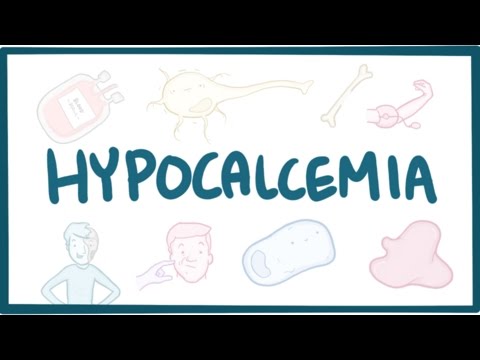
You know that feeling when you get a cramp in your leg out of nowhere? Man, it can be super annoying! Well, what if I told you that sometimes, it’s not just about not drinking enough water or having to stretch? It could be something more complex hanging out in your body—like hypocalcemia.
Yeah, that’s a fancy word for low calcium levels. Sounds serious, right? But here’s the kicker: our bodies need calcium for way more than just strong bones. It helps with muscle contractions and even keeps our hearts ticking like they should. So when those levels drop too low, things can get really interesting—sometimes not in a good way.
Now, I’m not here to make you panic or anything. Just think of it like this: understanding hypocalcemia is kind of like figuring out a puzzle. Each piece—like how it happens and what it means for your health—fits together to help you see the bigger picture. And trust me; it’s a journey worth taking!
Understanding Classic Signs of Hypocalcemia: Insights from Endocrinology
Hypocalcemia is a condition where you have low levels of calcium in your blood. You know, calcium is super important for our bodies. It helps with muscle contraction, nerve function, and even blood clotting! So, when those levels drop too low, things can start to get a little weird.
One common sign of hypocalcemia is **muscle cramps**. Ever had one of those awkward moments when your leg just suddenly cramps up? Ouch! That can happen because calcium helps muscle fibers contract and relax properly. If there isn’t enough calcium floating around, those muscles can lock up on you.
Another sign? **Tingling or numbness**, especially around the mouth and fingertips. It’s known as paresthesia. Imagine you’re sitting awkwardly for too long and your hand falls asleep—kind of like that, but it happens more often with hypocalcemia. This tingling feeling comes from nerves not getting enough calcium to pass signals effectively.
Then there’s **twitching or spasms**. Think about the last time you saw someone’s eye twitch out of nowhere. With low calcium levels, twitching can happen in various muscles throughout the body. It might seem harmless or funny at first, but it can be frustrating!
Next up is **seizures**, which are more severe symptoms of hypocalcemia. This happens because your brain needs that calcium to help maintain normal electrical activity. If it doesn’t get enough, you could experience convulsions—definitely not something you’d want to deal with!
Also worth mentioning are some potential psychological effects like anxiety and irritability. Who would’ve thought low calcium could mess with your mood? But it makes sense because calcium plays a role in neurotransmitter release—those little messengers that communicate between cells in the brain.
One thing to keep in mind is how hypocalcemia can be caused by various underlying factors:
- Low dietary intake: If you’re not eating enough foods rich in calcium (like dairy or leafy greens), trouble can brew.
- Vitamin D deficiency: Vitamin D helps regulate calcium absorption from food, so without it… you got it—less calcium!
- Hormonal issues: Parathyroid hormone (PTH) is crucial for maintaining balance; if it’s off due to an endocrine disorder, that could lead to lower calcium levels.
So if you’re experiencing any signs of hypocalcemia or think might be at risk, don’t hesitate! Reach out to a healthcare professional who can help understand what’s going on and possibly check your blood levels.
Remember that while hypocalcemia might not always seem serious at first glance, recognizing those classic signs could prevent more serious complications down the line! So stay informed about your health; each piece of knowledge counts!
Understanding Hypocalcemia: Key Concepts and Clinical Implications in Medical Science
Alright, let’s talk about hypocalcemia. You might have heard of it before, but what is it really? Simply put, hypocalcemia is when you have low levels of calcium in your blood. And here’s the kicker: calcium isn’t just for strong bones and teeth; it plays a huge role in many body functions.
First off, calcium levels are tightly regulated. Your body keeps them in check through a cool balance involving hormones like parathyroid hormone (PTH) and vitamin D. When things go wrong—like if your parathyroid glands aren’t working as they should—you can end up with hypocalcemia.
So what causes this drop in calcium? Well, there are several culprits:
- Vitamin D deficiency: Without enough vitamin D, your body can’t absorb calcium from food effectively.
- Kidney problems: Your kidneys help manage calcium levels by filtering and reabsorbing it. If they’re not doing their job right, that can lead to low calcium.
- PTH issues: If the parathyroid glands aren’t producing enough PTH, which helps regulate calcium levels, you could find yourself in a low-calcium situation.
I remember once hearing about someone who had unexplained muscle cramps and tingling sensations. After some tests, it turned out they were experiencing hypocalcemia! It was such a wake-up call on how important this mineral is for muscle function and nerve signaling.
The symptoms of hypocalcemia can range from mild to severe. You might notice things like:
- Numbness or tingling: Often around your face or fingertips.
- Muscle cramps or spasms: The kind that makes you jump!
- Bone pain or fractures: Low calcium means weaker bones.
If left untreated, severe hypocalcemia can lead to more serious issues like seizures or even cardiac problems because our heart muscles need calcium to contract properly. So you see? It isn’t just a number on a lab result; it impacts how your whole body functions.
Treating hypocalcemia generally involves addressing the underlying cause first. This could mean taking vitamin D supplements if that’s what’s lacking. Sometimes intravenous calcium is needed for more immediate effects—especially in critical situations!
The bottom line is that maintaining healthy levels of calcium is vital for your bodily systems to work smoothly. Whether it’s for muscle contractions or keeping your heart beating regularly, don’t underestimate the power of this little mineral!
If you ever feel off or notice unusual symptoms like those mentioned earlier, don’t hesitate to reach out to a healthcare professional. They’ll help uncover what’s going on—and if it’s something like hypocalcemia, you’ll want to get it sorted out pronto!
Hypocalcemia Safety Considerations: Essential Insights for Clinical Practice in Health Science
Hypocalcemia is a condition where you have low levels of calcium in the blood. This can lead to a bunch of problems because calcium plays a crucial role in many bodily functions. When you’re thinking about hypocalcemia, you really want to understand its pathophysiology, or how it affects the body, alongside the clinical implications—basically what this means for patient care.
First off, let’s break down why calcium is so important. It’s not just about having strong bones; calcium is vital for muscle contractions, nerve signaling, and even blood clotting. So, you see why having low levels can be pretty serious!
Now, when we talk about hypocalcemia’s pathophysiology, we’re looking at how certain factors contribute to this state. Some common causes include:
- Vitamin D deficiency: Without enough vitamin D, your body can’t absorb calcium effectively.
- Hypoparathyroidism: This is when your parathyroid glands don’t produce enough hormone to regulate calcium levels.
- Kidney issues: Your kidneys help control calcium levels by filtering it from your blood.
- Certain medications: Some drugs can interfere with how your body handles calcium.
Each of these factors affects how our bodies balance calcium. For example, if someone has kidney disease, their ability to process and maintain normal calcium levels goes down. That can lead to symptoms like muscle cramps, numbness or tingling in fingers and toes—definitely not fun!
As a healthcare provider or anyone involved in health sciences, understanding these aspects is crucial for safe practice. Hypocalcemia can cause serious complications like prolonged QT interval on an EKG or tetany—a series of muscle spasms that are super uncomfortable and scary.
So what do we do when we encounter a patient with potential hypocalcemia? Monitoring is key! You need to regularly check their serum calcium levels and assess any symptoms they’re experiencing.
Also important are safety considerations. For instance:
- Have emergency protocols ready: In case the patient develops severe symptoms like seizures.
- Treat underlying conditions: Always address the root cause rather than just the symptoms.
- Nutritional support: Encourage dietary adjustments to boost oral intake of calcium-rich foods.
Let’s say you’ve got a patient who just had surgery that affected their parathyroid glands. They might be at high risk for acute hypocalcemia post-op. You’d want to keep an eye on their vitals and administer supplements if necessary.
This stuff can get pretty detailed quickly! But at the core of it all is understanding that managing hypocalcemia isn’t just about treating numbers but also about considering the whole person—their history, current conditions, and even lifestyle factors.
In short, being aware of **hypocalcemia** and its implications helps improve safety in clinical practice tremendously! Keeping up with monitoring and treatment plans makes all the difference for patients dealing with this condition.
So, let’s chat about hypocalcemia. You might’ve heard of it, but if not, here’s the scoop. Basically, hypocalcemia is when there’s not enough calcium in your blood. Now, you’re probably like, “Calcium? Isn’t that just for strong bones?” And yeah, it totally is! But calcium does so much more. It plays a crucial role in muscle function, nerve signaling, and even blood clotting. It’s kind of the unsung hero of your body.
Here’s a little personal story: I remember when my friend Sarah had trouble with muscle cramps and felt weak all the time. We thought maybe she was just overdoing it at the gym or not eating right. But after some tests at the doctor’s office, it turned out her calcium levels were super low. The doctor explained that without enough calcium, her body struggled to do basic stuff like contract her muscles properly! Imagine trying to run without enough fuel; that’s what Sarah’s body was feeling.
Now, what actually causes hypocalcemia? Well, there are a few reasons. One biggie is low vitamin D levels because this vitamin helps your body absorb calcium from food. Then there’s stuff like certain medications or diseases affecting your parathyroid glands—those little guys are responsible for regulating calcium levels in your bloodstream.
When we talk about clinical implications—it gets pretty serious if we don’t keep an eye on this stuff. Low calcium can lead to muscle spasms (the kind that make you feel like you’ve been hit by lightning), confusion or even cardiac issues! That’s right; your heart needs calcium too—for those contractions to keep pumping effectively.
But on a brighter note: identifying and treating hypocalcemia can be really effective! Whether it’s through diet changes—like getting more leafy greens and dairy—or supplements prescribed by a healthcare provider, many folks bounce back once they get their levels sorted out.
So next time you think about calcium being just a bone thing, remember it’s also about keeping everything running smoothly in our bodies. It’s wild how something as simple as a nutrient can have such rippling effects on our health and well-being! Just one more reason to appreciate our bodies and understand how they work—it really makes you think twice about those multivitamins on the shelf!