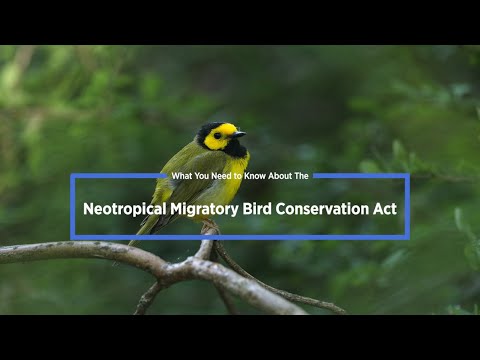
You know, I once tried to impress a date by feeding some pigeons at a park. Turns out, they’re not the most graceful creatures. One swooped down and totally stole my sandwich! Talk about an unexpected dinner guest!
But seriously, birds are pretty amazing beings. They’re everywhere, from city rooftops to the deepest forests. Yet, their world is facing a lot of challenges—habitat loss, climate change, you name it. It’s kinda heartbreaking.
So, what can we do? Well, there are some really cool and innovative ways people are stepping up to help our feathered friends. It’s not just about saving the birds; it’s about connecting with nature and each other too.
Imagine community events where you can learn from experts or even get to build birdhouses with your neighbors! Fun and impactful? You bet! Let’s chat about how we can all make a difference in supporting bird conservation while having a blast along the way.
Empowering Bird Conservation: Effective Strategies and Scientific Insights for Protecting Avian Diversity
Birds are incredible creatures, and they’re all around us. But did you know that many species are facing serious threats? Yep, habitat loss, climate change, and pollution can really do a number on our feathered friends. So, let’s chat about some strategies we can use to help conserve avian diversity.
1. Habitat Restoration
Restoring habitats is super important. Birds rely on specific environments for nesting and feeding. When their homes get destroyed—like forests cut down or wetlands drained—they struggle to survive. It’s like if someone turned your living room into a garage sale! Local communities can get involved by planting native trees, cleaning up parks, and even creating bird-friendly gardens.
2. Community Engagement
Speaking of communities, involving people is crucial. Educating folks about the importance of birds creates a sense of ownership over local conservation efforts. You know that feeling when you spot your first bluebird? That excitement can motivate people to take action! Workshops, school programs, or even simple flyers with cool bird facts can make a big difference.
3. Citizen Science
Here’s a fun one: citizen science! This allows regular people to contribute to research by observing and reporting bird activities in their area. It’s as easy as checking your backyard feeders and noting the species you see! Platforms like eBird make it simple for bird watchers to submit their findings. This data helps scientists track populations and understand migration patterns better.
4. Legislative Action
On another front, advocating for policies that protect birds is vital too. Laws regulating hunting or protecting endangered species can be game-changers! You could even write to your representatives about the importance of preserving natural habitats or funding conservation projects.
5. Innovative Technology
Technology has a role in conservation as well! There are apps that help identify bird songs or track migration through satellite technology! Some researchers use drones to monitor nests in hard-to-reach areas without disturbing them—pretty neat, right?
6. Collaborations
Collaboration between organizations makes efforts even stronger—think global partnerships working towards local goals! Groups often combine resources for larger projects like restoring wetlands or conducting large-scale surveys.
When I think about these strategies, I remember the time I went bird-watching with my grandma at the local lake. We spotted some ducks waddling around but noticed how much trash was floating nearby. It clicked for me; we need to protect these spaces so future generations can enjoy them too.
In summary, caring for birds involves understanding their needs and working together—communities coming together literally makes a world of difference for avian diversity! Just remember: every little effort counts towards creating a better environment for our winged buddies out there. So keep your eyes open—you never know what amazing bird might need your help next!
Three Effective Strategies for Protecting Urban Bird Populations: A Scientific Perspective
You know, urban environments can be tough for birds. Think about it: they have to navigate through all those buildings, cars, and people. So, protecting them is super important! Here are three strategies that really help in conserving urban bird populations.
- Creating Green Spaces: Cities can feel like concrete jungles, but adding parks and gardens makes a world of difference. These spaces not only provide food and shelter for birds but also allow them to nest safely away from predators. Even small balconies with plants can attract local species. Imagine turning an empty lot into a vibrant green park where sparrows and robins thrive!
- Bird-Friendly Architecture: You might not think about it, but buildings can be designed to help birds. For instance, using bird-safe glass minimizes collisions, which are a huge threat to many species. Some cities have even started implementing guidelines for new constructions to ensure they are safe for our feathered friends. Super cool, right? Just picture a high-rise that not only looks great but also protects those little guys flying around!
- Community Engagement: People love birds, especially when they realize how vital they are to our ecosystem! Engaging local communities with activities like bird watching events or educational programs helps raise awareness. When folks understand the role of birds in pest control or seed dispersal, they’re more likely to care about their well-being. Plus, it’s fun! I remember attending a bird walk once; it was amazing seeing everyone get excited about spotting different species.
The thing is, these strategies don’t just protect the birds; they enhance the whole urban environment. Imagine walking down your street and seeing more colorful feathers fluttering around—it brings life to any city! And who wouldn’t want that? Birds help pollinate plants and keep insect populations in check; their presence benefits us all.
Caring for urban bird populations isn’t just science; it’s about connecting with nature amidst our busy lives. So let’s keep working on these strategies because every small effort counts towards creating a happier habitat for everyone involved.
Exploring Unprotected Avian Species: Three Birds Not Covered by Conservation Laws
When we think about bird conservation, we often picture majestic eagles or colorful parrots. But, there are tons of less glamorous species out there that lack protection under conservation laws. Let’s talk about three unprotected bird species and why they matter!
The California Condor is a classic example. Okay, so technically it’s endangered, but here’s the twist: certain populations are still hunting for food in areas that aren’t protected. This means they’re exposed to lead poisoning from eating carcasses that hunters leave behind. It’s sad because these birds were once on the brink of extinction and need all the help they can get.
Then we have the Cactus Wren. Native to the southwestern U.S., this little guy loves its prickly pear cactus habitat. But guess what? Urban development is gobbling up its home without any legal protection for its nesting sites. These wrens are adapting by using human-made structures, which is cool and all, but it doesn’t solve the long-term problems for their natural environment.
Next up is the Black-capped Chickadee. This charming little bird flits around our backyards, making us smile with its sweet song. However, it isn’t included in many conservation efforts because it adapts fairly well to urban settings. But just because it’s doing okay now doesn’t mean it will keep thriving! Rapid climate changes threaten their food sources and habitats, which can flip things upside down pretty fast.
So, what do these stories tell us? Conservation isn’t just about saving the ‘big names.’ It’s also crucial to pay attention to those unprotected species like these guys! Involving communities in conservation outreach can really make a difference; you know? Maybe holding workshops about creating backyard habitats could help raise awareness!
- Lead poisoning from hunting affects California Condors.
- Urban development threatens Cactus Wren habitats.
- Climate change poses risks for Black-capped Chickadees.
The thing is, every bird plays a role in its ecosystem, even if they’re not on anyone’s radar yet. By keeping an eye on these less-recognized avian friends, we take steps toward a balanced ecosystem that benefits all of us—humans included!
Birds are awesome, right? I mean, they come in all shapes, sizes, and colors. Watching them flit around can bring a smile to anyone’s face. But here’s the thing: many bird species are in trouble, and we really need to step up our game when it comes to conservation. So let’s chat about some innovative approaches that are making a splash lately.
One of the most heartwarming things I’ve seen is how communities are rallying together to create “bird-friendly” spaces. It’s like this movement where people plant native plants and set up bird feeders in their backyards or community parks. Just imagine kids running outside with their parents to see what birds they can spot! It’s super engaging and really brings people closer to nature. You know, there’s something magical about seeing a hummingbird sip nectar or spotting an eagle soaring above.
But it doesn’t stop there. Some organizations have gotten creative with technology. Ever heard of bird cams? Seriously, these things let people peek into nests from the comfort of their homes! It’s like having front-row seats to the drama of nature unfold live on your screen. Families can watch chicks hatch or see how parents feed their young. This could spark an interest in kids that lasts a lifetime; I mean, who wouldn’t want to learn more about something so cool?
And then there’s citizen science—people stepping up to help out with data collection. Trust me; it’s not just for scientists in lab coats anymore! Everyday folks can participate in counting birds during migration seasons or even reporting sightings of rare species through apps. It feels good to be part of something bigger, ya know? Plus, it builds a sense of community as people share their experiences and favorite spots!
But it can feel overwhelming sometimes when you think about the threats birds face—habitat loss, climate change, pollution—it’s a lot! Yet there’s hope in these innovative solutions reaching people who might never have cared before. The more hands we have on deck, the better chance we give these feathered friends.
So yeah, conservation isn’t just about saving birds; it’s about connecting people with nature and each other too. By getting creative and mixing technology with good ol’ grassroots efforts, we’re making strides towards securing a future for our avian buddies. And who knows? Maybe one day your backyard could be home to some rare visitor—and wouldn’t that be something special?