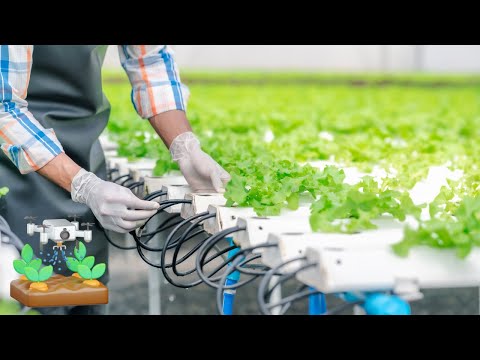
So, picture this: you’re in your backyard, right? You’ve just planted a bunch of veggies, and then, like magic, it rains. But instead of soaking into the ground, it runs off faster than a toddler chasing an ice cream truck! Sound familiar?
That was me last summer. I was super proud of my little garden until the rain hit. It was like my plants were playing hide and seek with all that water. Spoiler alert: they lost.
That kind of scenario highlights how important it is to get a grip on soil and water conservation. Seriously! It’s not just about saving our plants; it’s about keeping our whole planet cozy and thriving.
Let’s chat about some cool techniques that people are trying out these days. These methods are really shaking things up in the world of gardening and farming—making sure we’re holding on to every precious drop of water and keeping our soil healthy. Ready? Let’s dig in!
Exploring Innovative Soil Conservation Practices in Agricultural Science
Soil conservation is kind of like taking care of your home. You know, if you don’t keep it tidy, it can get messy and unhealthy. Well, our planet’s soil is no different! Farmers have been using innovative techniques to protect and enrich their soil, making it healthier for crops which is super important for feeding the world.
One popular approach in agricultural science is **cover cropping**. Basically, this means planting specific crops during off-seasons to cover the soil. Think of it like a cozy blanket for the earth. These crops help prevent erosion, improve soil structure, and even add nutrients back into the ground when they decompose.
Another cool technique is **no-till farming**. This practice involves growing crops without plowing the soil first. Plowing can disturb and degrade the natural habitat for all those tiny organisms that help keep soil healthy. So, skipping this step lets these little critters thrive and supports better water retention—a win-win!
Then there’s **agroforestry**, which mixes trees with crops or livestock on the same land. Imagine having a farm with trees that provide shade and nutrients while also giving you fruits or timber! This method not only protects soil from erosion but also improves biodiversity—it’s like creating a mini-ecosystem right on your farm.
You might also hear about **permaculture**, which is all about designing farming systems that mimic natural ecosystems. It focuses on creating sustainable habitats for plants and animals while conserving resources like water and energy. This holistic approach encourages a balance where everything works together harmoniously.
And how could I forget **rainwater harvesting**? Farmers collect rainwater from roofs or other surfaces to use it later for irrigation. By doing this, they reduce dependency on groundwater or municipal water sources, making their practices more sustainable.
But here’s something interesting: some farmers are now using **technology** in these conservation practices! For example, they’re using sensors to monitor soil moisture levels which helps them decide when to irrigate or what crop might do best in that particular patch of land.
Honestly, these innovative methods go beyond just improving crop yield; they’re essential for tackling climate change issues too! Healthy soils can store carbon—acting as a sink that helps reduce greenhouse gases in our atmosphere.
So yeah, when we talk about innovative soil conservation practices in agricultural science, we’re really discussing ways to make our planet’s lifeblood more resilient and productive for years to come! Together with technology and nature-inspired methods, we can support not just farming but also maintain the health of our environment overall—how awesome is that?
Effective Techniques for Soil and Water Conservation in Environmental Science
Soil and water conservation is super important, especially when you think about how they’re the backbone of our ecosystems. You know that feeling when you walk through a lush forest or a vibrant garden? That’s all thanks to healthy soil and clean water. So, let me break down some effective techniques that really help in conserving these precious resources.
1. Mulching
Mulching is like giving your soil a cozy blanket. It involves covering the soil with organic materials like leaves or straw. This helps keep moisture in, reduces evaporation, and even suppresses those pesky weeds. It’s amazing how just covering the ground can make such a difference!
2. Contour Farming
Imagine you’re drawing lines across a hill with your farmer’s plow. That’s contour farming! This technique involves plowing along the contours of the land rather than up and down slopes. It slows down water runoff and helps prevent soil erosion, making it easier for rainwater to soak in rather than wash away nutrients.
3. Terracing
Have you ever seen those beautiful, step-like fields on hillsides? That’s terracing! By creating flat areas on steep land, we can reduce soil erosion and make farming possible where it wouldn’t normally be sustainable. Plus, it helps with water retention too.
4. Cover Crops
Planting cover crops like clover or rye during the off-season is another clever trick! These plants protect the soil from erosion while adding nutrients back into it when they decompose. It’s like giving your soil a little food buffet during the winter months.
5. Rainwater Harvesting
Ever thought about collecting rainwater for later use? Rainwater harvesting captures runoff from roofs or paved areas into storage tanks or barrels for irrigation or other uses later on. This not only conserves water but also keeps it from just running off into drains.
6. No-Till Farming
Tilling can be tough on soil structure since it disturbs layers and can lead to erosion over time. No-till farming skips this step by planting directly into undisturbed soil, which helps keep everything in place while also improving its health.
You know what’s fascinating? In places where these techniques have been adopted, communities have seen improvements not just in their crop yields but also in biodiversity! Healthy ecosystems mean more resilient environments overall.
It’s pretty clear that these methods aren’t just fancy terminology; they’re practical solutions to real-world challenges we face with environmental conservation today. And hey, if you ever get a chance to see any of these techniques in action, I bet it’ll really open your eyes to how interconnected everything is out there!
Four Effective Soil Conservation Techniques: Enhancing Sustainability in Environmental Science
So, let’s chat about soil conservation techniques. You know, soil is like the unsung hero for our environment. It supports plants, helps clean water, and even stores carbon! But, it’s under threat from erosion, pollution, and climate change. Keeping our soil healthy is essential for sustainability. Here are some effective techniques to help out.
1. Cover Cropping
Cover cropping is all about planting crops that aren’t meant to be harvested, you know? They’re just there to cover the soil. These crops can help prevent erosion by keeping the topsoil intact when it’s windy or rainy. Plus, they add nutrients back into the soil when they die and decompose. Imagine a blanket of green protecting the earth below!
2. Conservation Tillage
Now, conservation tillage is kind of a big deal. Instead of turning the whole field over every season—like what farmers usually do—this method leaves some crop residue on top of the ground. This means less disturbance to the soil structure and reduces erosion risk significantly! The cool thing? It can also improve water retention in dry periods.
3. Terracing
Terracing transforms steep hillsides into flat areas or steps for farming—pretty clever, huh? This technique slows down water runoff and helps prevent soil loss by making it easier for water to soak in rather than rush away. Think of it like creating steps in a staircase where each step catches rainwater instead of letting it slide right off.
4. Agroforestry
Agroforestry mixes trees with crops or livestock on the same land, which is fabulous! Trees provide shade and protect crops from wind while their roots help hold the soil together—almost like a natural barrier against erosion. Plus, they can improve biodiversity by providing habitats for various creatures within those ecosystems.
There you have it! By using these techniques—cover cropping, conservation tillage, terracing, and agroforestry—we can enhance sustainability in environmental science and protect our precious soils from degradation! Remember: healthy soils lead to healthy ecosystems… and ultimately a healthier planet!
You know, soil and water conservation might not be the flashiest topic out there, but it’s super important for all of us. I mean, think about that time you went hiking or just walked through a park. Those lush green spaces aren’t just pretty sights; they’re part of an incredible system that keeps our planet healthy.
Over the years, people have come up with some really cool ways to conserve soil and water. A friend of mine lives on a farm, and she started using something called contour farming. Basically, instead of plowing straight lines down a hill, she works with the land’s natural contours. It helps reduce erosion and keeps soil where it needs to be—on the ground! It’s like giving the land a gentle embrace instead of a harsh shove.
Then there are things like rain gardens. I was chatting with another buddy who’s into landscaping, and he told me how these gardens capture rainwater runoff from roofs and driveways. Instead of letting all that precious water just wash away or create puddles, these gardens soak it in, helping recharge groundwater supplies while looking beautiful at the same time. Who knew saving water could also mean planting pretty flowers?
But here’s one thing that gets me thinking: why isn’t this stuff more widely known? You’d think everyone would want to be part of the solution! It’s about more than just saving resources; it’s also about building better communities. When we adopt these techniques in our neighborhoods or farms, we’re not just protecting our environment—we’re also making sure future generations can enjoy clean water and rich soil too.
It kinda makes you appreciate those little patches of earth we often take for granted. You walk past them without even realizing how vital they are to weather patterns and food production. So really, every small action counts! Whether it’s planting a rain garden or practicing contour farming on your small plot at home, these innovative approaches pave the way for a more sustainable future.
So next time you’re outside soaking up some nature, remember: those trees waving at you might just be doing their part in keeping our soil intact and water clean. Makes it feel a bit more special, huh?