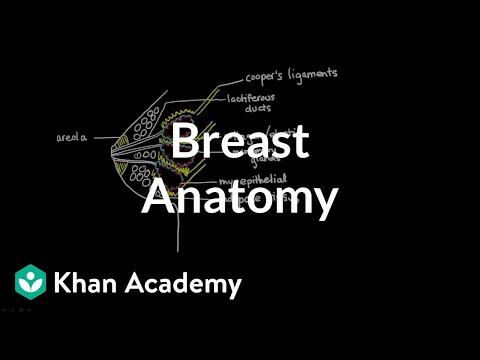
Did you know that your breasts are pretty much like tiny ecosystems? Yeah, it’s true! Each one has its own job and purpose, and honestly, it’s all a bit mind-blowing when you think about it. I remember this one time my friend thought she’d learned everything there was to know about anatomy in high school. But when we started chatting about breast tissue and milk production, her eyes went wide like she just discovered a whole new planet!
So, here’s the thing: breasts aren’t just for show or, you know, what society sometimes focuses on. They’re complex structures with fascinating roles in our body. You might think they’re just lumps of fat and tissue, but trust me—there’s way more under the surface.
Let’s peel back the layers a bit. We’ll explore everything from anatomy to how these incredible organs work. Seriously, it’s kind of amazing what goes on beneath the skin. Ready? Let’s jump into this wild world together!
Comprehensive Overview of Breast Anatomy and Physiology: A Scientific Presentation
Alright, let’s chat about breast anatomy and physiology. It’s a fascinating subject that dives deep into the structures and functions of breasts. You might think, “What’s so important about that?” But understanding this area can really shed light on how our bodies work, plus it often links to health issues too.
First off, what are breasts made of? Breasts have several key components. You’re probably familiar with the skin on the outside, but there’s so much more underneath!
- Glandular Tissue: This includes lobules that produce milk. During lactation, these tiny glands expand and become super busy!
- Fatty Tissue: The amount of fat here varies from person to person and gives breasts their shape and softness.
- Connective Tissue: This helps hold everything together. It’s like the glue in our bodies—keeps things in place!
Now, when it comes to physiology or how these parts work together, it’s pretty cool!
The hormonal dance is crucial for breast development. Hormones like estrogen and progesterone play a huge role during puberty and pregnancy. For instance, during puberty, these hormones trigger breast growth—ever notice how they change over time? That makes sense when you think about all those hormonal changes happening!
Have you seen those adorable babies feeding? It’s amazing! Lactation is an incredible process where milk is produced in response to hormone signals after childbirth. Prolactin is one of the main players here; it’s like a little director telling your body it’s time to make milk.
But wait! There’s more than just milk production going on. Breasts are also full of sensory nerves, which means they can be super responsive. These nerves can communicate sensations ranging from touch to even temperature changes.
And then we have breast tissue density. Some people have denser breast tissue compared to others—this basically means there’s more glandular tissue relative to fat tissue. Density can affect how mammograms appear too! So if you’ve ever had one done and they told you something about density, now you know what that means!
So there you go—a little peek into the anatomy and physiology of breasts. There’s so much complexity here that connects health issues back to how our bodies function day by day! I mean seriously, isn’t it cool how interconnected everything is? If we pay attention to these details, it helps us understand our health better overall.
Just remember: every body is unique—with unique experiences tied closely to its structure—and that’s something truly special!
Comprehensive Guide to Breast Anatomy and Physiology: Downloadable PDF Resource
Breast anatomy and physiology might sound a bit technical, but let’s break it down into something you can totally grasp! Breasts aren’t just fascinating from a biological standpoint; they play key roles in various aspects of life, from nurturing to self-image.
The breast itself is made up of glandular tissue and fat. At a glance, you might think they’re just lumps of fat, but there’s a lot more happening underneath the surface. The main components include:
- Glandular Tissue: This is where milk is produced, thanks to structures called lobules that are collected in ducts. So when you hear about breastfeeding, this part is key!
- Adipose Tissue: This fatty tissue gives breasts their shape and size. The amount varies from person to person, influenced by genetics and body composition.
- C connective Tissue: It provides structure and support for the breast. Imagine it as the framework holding everything together.
Nerves also play their part, making breasts sensitive and responsive not just during breastfeeding but also during sexual arousal or even just touch. They’re like tiny electricity lines sending signals to your brain!
Now let’s chat about how breasts work with your whole body—like hormones! During puberty, estrogen levels rise, which stimulates breast development. Then there are changes throughout the menstrual cycle; for instance, many people notice their breasts feel fuller or tender right before their period because of hormonal shifts.
The role of breasts extends beyond physical appearance too. Breasts have social significance across cultures—symbolizing femininity or motherhood—and can evoke strong emotions tied to personal identity.
You might recall an anecdote from a friend about breastfeeding for the first time—it can be quite emotional! That moment often carries so much love and connection between mother and child. That bond gets strengthened by those tiny milk-producing glands doing their thing!
You see? Breast anatomy isn’t just about what meets the eye; it’s a complex interplay of biological systems that contribute significantly to life experiences. So next time you think about them, remember all these cool layers that go beyond surface-level understanding!
Comprehensive Guide to Breast Anatomy: Downloadable PDF Resource for Scientific Study
Sure! Let’s dive into the fascinating world of breast anatomy and physiology. It’s a complex topic, but I’ll break it down for you.
Structure of the Breast
At first glance, breasts might just seem like rounded tissues on the body, but there’s so much more going on. Breasts primarily consist of:
- Glandular Tissue: This includes lobules and ducts. Lobules are like tiny grapes that produce milk, while ducts are the tubes that carry milk to the nipple.
- Adipose Tissue: This is basically fat that gives breasts their shape and size. It acts as cushioning too.
- Connective Tissue: This keeps everything together and supports structures in place.
You know how when you squeeze a grape, juice comes out? That’s kind of what happens with lobules when they’re stimulated by hormones during pregnancy or breastfeeding.
Nipple & Areola
The nipple is at the center of all this action. It’s surrounded by a darker area called the areola, which has tiny bumps called Montgomery glands. These glands secrete oils that help keep the nipple moisturized—pretty neat, huh?
When babies latch on to breastfeed, they stimulate nerve endings in both the nipple and areola. This triggers milk ejection—like turning on a tap!
Physiology: How Breasts Work
Now onto how these structures actually function. When a woman is pregnant or breastfeeding, hormones like estrogen and progesterone play a huge role. Here’s a quick rundown:
- Ductal Growth: Hormones help develop ductal systems during puberty and then even more during pregnancy.
- Milk Production: Prolactin is key here; it signals lobules to start producing milk after childbirth.
- Milk Ejection Reflex: Oxytocin makes muscles around ducts contract to push milk out when needed.
It’s kind of magical thinking about how many systems work together just for feeding a baby!
The Role in Health
Breast anatomy isn’t just about feeding infants; it can also tell us a lot about health issues. For instance, changes in breast tissue can signal hormonal changes or even potential health risks like cancer.
So keeping an eye on breast health through self-exams or regular check-ups is super important!
In summary, understanding breast anatomy goes beyond just knowing structures; it also encompasses physiology and health implications. And while it may sound complex at first, each part plays its role in supporting life through nurturing and signaling overall wellness.
The next time you hear someone talk about breasts scientifically, you’ll be able to contribute some pretty solid knowledge!
Breast anatomy is one of those topics that often gets overshadowed by a lot of other health discussions, but it’s super interesting and, well, really important. At first glance, you might think it’s just about milk production or, you know, the way they look in different outfits. But there’s so much more going on under the surface.
So let’s break it down a bit. Breasts are mostly made up of glandular tissues and fat. The glandular part is where all the magic happens for breastfeeding. It contains lobules (which are like tiny factories) that produce milk when a baby needs to feed. And then there are ducts—think of them as delivery trucks—transporting this milk to the nipple. It’s kind of a wild team effort when you think about it!
But breasts also have a complex connection to our hormones. Estrogen and progesterone play huge roles in their development throughout life—from puberty to pregnancy and even menopause. It can be fascinating how these hormonal changes can affect not just breast size but also sensitivity or tenderness, which I remember feeling during my own teenage years when everything was changing so rapidly.
It’s not just biology either; breasts carry significance in different cultures and societies too. They symbolize femininity for many and can impact how people perceive themselves and others even on a subconscious level.
I remember once chatting with a friend who went through breast cancer treatment. She shared how her understanding of her own body changed drastically during her journey—not just physically but emotionally too. She talked about how intimate and personal the experience was, which made me realize that breast health isn’t just about anatomy; it’s deeply tied to our identity and experiences.
So yeah, while we might think we know what breasts are for (and yes, they’re great at feeding babies), there’s another layer that comes from understanding their anatomy and physiology—the emotional connections we share with them throughout our lives. There’s this beautiful complexity wrapped in something we might take for granted sometimes!