You know that feeling when you accidentally bump your head and suddenly become a bit of a philosopher? Like, “What’s really going on in there?” It’s wild to think about, right? I mean, our heads are packed with all those squishy bits doing their thing every second.
So, picture this: your brain is like the ultimate DJ spinning tracks while your face plays the best supporting role. All these muscles, bones, and nerves working together like a perfectly awkward family reunion. Isn’t that something?
We hardly stop to appreciate just how intricate and amazing our heads are. From the jaw’s ability to chew your favorite snacks to the eyes that spot every little detail around you—it’s all pretty mind-blowing.
Let’s peek inside this incredible anatomy together and explore what’s happening up there. You’re gonna want to stick around for this!
Exploring Human Anatomy: The Scientific Discipline of Structure and Function in the Human Body
Exploring human anatomy is pretty much like opening a treasure chest filled with wonders about how our bodies work. You know, it’s that fascinating blend of structure and function that keeps us ticking. When we look at the anatomy of the human head, it’s like diving into a complex but beautiful puzzle made up of bones, muscles, nerves, and more!
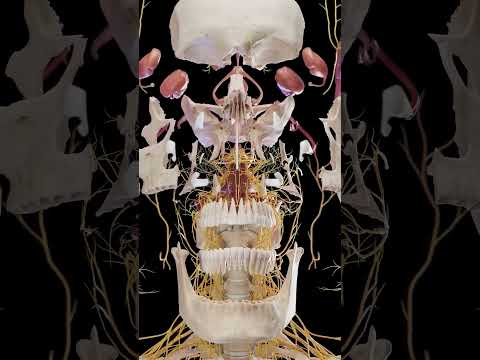
First off, let’s talk about the **bones** in your head. The skull is this amazing protective helmet for your brain. It’s not just an empty shell; it has **22 bones**! These bones are divided into two main parts: the cranium and the facial bones. The cranium protects your brain – a big deal since it’s kind of like the command center for everything you do!
Now, what about those facial bones? They help shape our faces! Think about your cheekbones and jawline—pretty crucial for your looks and functions like chewing food. There are **14 facial bones**, including your nose bone (nasal bone) and jawbone (mandible). And guess what? They all work together to give us our unique features.
Then there’s the brain nestled securely within all that bony protection. This remarkable organ weighs about three pounds but controls every single thing you do! Those neurons—tiny nerve cells—are constantly sending signals to each other, which is what makes movement, thought, and even emotions possible. Pretty wild when you think about it!
In addition to bones and brainpower, we can’t forget about those nifty **muscles**. There are over **50 muscles** in your face alone! These muscles let you smile when something’s funny or frown when you’re upset. Muscles around your eyes help you blink—essential when watching a movie or just preventing dust from bothering them.
Oh! And let’s not skip over the senses—the eyes, ears, nose, mouth—all play special roles in how we experience the world around us. The eyes are super cool because they let light in and help you see color. The ears aren’t just there for decoration either; they pick up sound waves so you can hear music or someone’s voice.
But here’s where it gets even cooler: all these structures depend on one another to perform optimally. If one part goes out of whack—a broken jaw or an ear infection—it can mess with everything else too! For example, if you’re struggling with sinus issues due to allergies, it might affect how well you taste food because everything’s connected through passages in your head.
Exploring human anatomy really brings out this sense of awe at how interconnected everything is within us. It also highlights why understanding our body structure can be vital for health—because every little piece plays a role in keeping us feeling good and functioning well.
So next time you’re thinking about human anatomy—especially that intricate head of yours—remember that it’s not just about knowing what things are called; It’s about recognizing how they all work together in harmony (or sometimes chaos) to create who you are! Isn’t that just mind-blowing?
Understanding the Anatomy of the Human Skull: Exploring the Debate on Bone Count – 22 vs. 29 Bones in Scientific Context
So, let’s talk about the human skull. It’s pretty amazing, right? But here’s the thing—there’s a bit of a debate going on regarding how many bones actually make it up. Some say there are 22 bones, while others claim it totals 29 bones. Seems confusing, huh? Let’s break this down.
The human skull can be divided into two main parts: the cranium, which houses the brain, and the facial bones, which form our facial structure. The cranium has 8 major bones:
- The frontal bone (forehead)
- The parietal bones (one on each side of your head)
- The temporal bones (located near your ears)
- The occipital bone (the back of your head)
- The sphenoid bone (a butterfly-shaped bone at the base of the skull)
- The ethmoid bone (the roof of your nasal cavity)
This brings us to 8 cranial bones. Now, when you move to the facial section, we start counting those good old facial bones. They include:
- The maxillae (upper jawbone)
- The mandible (lower jawbone)
- The nasal bones (two small ones that form your nose bridge)
- The zygomatic bones (your cheekbones)
- The palatine bones, and a few others.
With these counted up, we reach around 14 facial bones. Add those together with the cranial ones and you get 22—the traditional count.
Now, what about those extra 7 bones? Well, in some discussions about skull anatomy, people include smaller structures called suture bones. These are tiny little bits of bone that can develop in certain sutures—the seams where different skull parts meet over time. They’re not present in everyone; that’s why some folks claim there are only 22 bones while others argue for 29.
You see? It’s all about how you choose to categorize and count these little guys! There’s also this emotional aspect where learning anatomy can feel like piecing together a puzzle—one that ultimately helps us understand our own bodies better.
This debate over bone count might seem trivial but it opens up discussions about how our understanding evolves based on new findings or even individual variations within us humans. We each have unique features—like some may have more visible suture bones than others! Pretty cool if you ask me!
So next time someone brings up this topic over coffee or at dinner—it might just spark an interesting conversation about how wonderfully complex our anatomy really is!
Top Anatomy Learning Books for Science Enthusiasts: A Comprehensive Guide
So, anatomy can be pretty wild and complex, right? Like, the human head alone is this intricate puzzle with so many parts doing their own thing. If you’re someone who’s curious about how our noggin works and you wanna dive deeper, there are some awesome books out there that can really help.
Why Anatomy Matters
Understanding anatomy isn’t just for doctors or scientists; it’s for anyone who’s ever wondered how they can hear a joke from their friend across the room or enjoy their favorite food without choking! Knowing the ins and outs of our body gives you a new appreciation for life.
Top Anatomy Books to Explore
Let’s break down some books that could seriously boost your knowledge about the anatomy of the human head. Each one has something different to offer.
- Gray’s Anatomy: This classic is a go-to for many. It’s not just about names and definitions; it gives detailed illustrations that make it easier to visualize where everything fits in your skull.
- Anatomy Trains by Thomas Myers: This one’s interesting because it talks about how different parts of the body connect through muscles and fascia. It’s like seeing how all those pieces work together!
- The Anatomy Coloring Book: Yep, you heard that right! It sounds like it’s made for kids, but coloring in diagrams can help you memorize where everything goes while having fun.
- Atlas of Human Anatomy by Frank H. Netter: Known for its stunning illustrations, this book offers incredible detail on every aspect of human anatomy—perfect if you’re a visual learner!
- Essential Clinical Anatomy by Moore & Dalley: This book connects anatomy with clinical practice. It gives insight into how anatomical knowledge applies when diagnosing ailments.
Anecdote Time!
I once had this awesome moment while studying Gray’s Anatomy at a coffee shop. I got so absorbed in an illustration of the brain’s structures that I lost track of time! A stranger even asked me if I was studying medicine. It felt cool to realize how fascinated I became just looking at those diagrams; it clicked something in me about connecting what we see outside with what goes on inside.
Diving Deeper into Specifics
When exploring books on head anatomy, you might want to focus on certain areas:
- The Skull: Learn about the bones protecting your brain—remember there’s a whole world behind those cheekbones!
- The Brain: Seriously fascinating stuff here: from lobes responsible for memory to those that keep us balanced.
- Sensory Organs: Your eyes, ears, nose, and mouth are like windows into the world around you—understanding them can enhance your awareness of everyday experiences.
In summary, getting cozy with these books will not only expand your knowledge but also make each moment spent marveling at life just a bit more meaningful. So grab one—or two—and let your curiosity lead the way! Happy exploring!
The human head is like this fascinating, complex puzzle, right? I mean, when you stop to think about it, there’s so much going on up there. We’ve got our brain, of course, the ultimate control center for everything we do. But then there are the eyes, nose, mouth—each one playing a crucial role in how we interact with the world and each other.
When my little nephew was learning to read, he always pointed at his head and asked me how everything worked. It was hard to explain how his brain helped him figure out words without diving into too much science jargon. I mean, who wants to hear about neurons at age six? So I told him that his brain was like a superhero headquarters; it made sure he could remember stuff and even dream up stories. He loved that idea!
So let’s break it down a bit. The skull is this protective fortress for your brain. It’s made up of different bones that fuse together as you grow up. Ever heard of cranial sutures? They’re these cool joints between skull bones that allow some movement in infancy but eventually harden as we age.
Then there’s the face! All those little features come together to create expressions—the window into our emotions. Did you know facial muscles help us convey feelings without saying a single word? Imagine being able to communicate joy with just a smile or surprise with raised eyebrows! That’s some serious biology magic happening right there.
And let’s not forget about our senses! Eyes work like cameras capturing light and sending signals to the brain, while ears pick up vibrations in the air and translate them into sound. You can almost picture how all these systems work together like an orchestra playing a symphony of life experiences!
But here’s where it gets interesting: have you ever thought about how all these structures change over time? Our faces alter as we age; wrinkles form like nature’s little reminders of laughter and life experiences. It’s kind of beautiful if you think about it—each line tells a story.
So yeah, looking at the anatomy of the human head isn’t just about memorizing parts and their functions; it’s also about understanding what makes us human—how we think, feel, communicate, and connect with others. It’s not just science—it’s life unfolding in this tiny region on top of our bodies!