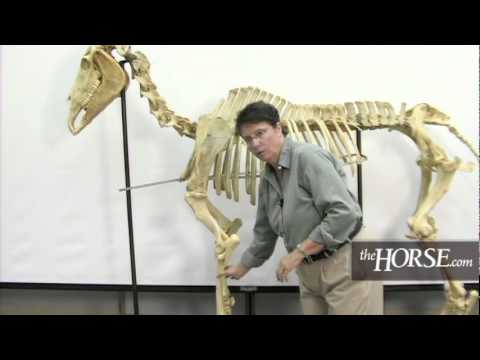
You know that moment when you see a horse and just can’t take your eyes off its head? Yeah, those big, soulful eyes and that strong jawline. I mean, they just have this way of looking at you that makes your heart melt!
But here’s the thing: there’s a whole lot going on under that beautiful exterior. Horses are like nature’s complex puzzle. Their heads aren’t just for show; they’re packed with some really cool anatomical features.
So, why do we care, right? Well, understanding the horse’s head isn’t just for horse lovers; it’s kind of essential if you’re into animal health or even just curious about how these majestic creatures work.
Let’s take a closer look at what makes a horse’s head so special. You might find some surprises waiting for you!
Exploring the Anatomy of Equine Skull: Key Features and Scientific Insights
So, let’s get into the nitty-gritty of the equine skull because, oh boy, there’s quite a lot going on up there! The horse’s head isn’t just about looking majestic; it’s a fascinating structure with some pretty important features. Understanding this anatomy helps in everything from veterinary care to training techniques.
First off, let’s talk about the basics. The horse skull is made up of several bones that come together in a very specific way. There are
, which forms the upper jaw,
, the lower jaw, and
, essential for breathing. These bones have to fit together seamlessly to allow for effective chewing and breathing.
Now, what really stands out are the sino-nasal chambers. These are air-filled spaces that help reduce the weight of the skull while also playing a role in sound resonance. Horses rely on their hearing to communicate and detect predators, making these chambers super useful. And don’t forget about the frontal bone! This large bone makes up part of their forehead and protects their brain.
Speaking of protection, check out the zygomatic arch. This is basically a bony bridge that connects your horse’s cheekbone to other facial structures. It helps protect those big teeth they use for grazing. You know how horses can bite? Well, they need strong jaws for that!
Another cool feature is the orbit, which is where their eyes sit. The shape and size of this bony socket are crucial for vision since horses have a wide field of view—something like 350 degrees! They can see almost everything around them without having to turn their heads too much.
Let’s jump into how this anatomy relates to their function—like eating! Horses have these large molars that grind up tough grass and hay effectively. Their teeth grow continuously throughout life because they wear down so fast with all that munching.
Then there’s also the way muscles attach around their skulls. Strong muscles connect from the jaw area all the way up to those powerful neck muscles. They need all this muscle power not just for eating but also for things like snorting or whinnying. It might look cute when they do it, but trust me—the sound production involves some serious muscle action.
But what happens if there’s an issue? For instance, dental problems can arise due to misalignment or wear patterns on those teeth, leading to pain or difficulty eating—a serious concern in horse care and management.
Finally, looking at this anatomy gives us insight into evolution too! The structure of horse skulls has changed over millions of years as they’ve adapted from forest dwellers to open plains runners. Their long face helps them take advantage of grazing wide-open spaces without getting too much dirt in their nostrils!
So yeah, next time you’re around a horse or watching one gallop across a field, just remember there’s so much more happening inside that beautiful head than meets the eye—or should I say “ears”? Each feature plays critical roles in health and behavior and highlights how incredible nature truly is!
Anatomy of a Horse’s Head: Understanding Equine Cranial Structures in Veterinary Science
So, let’s chat about the anatomy of a horse’s head. It’s pretty cool how much is going on up there. You might not think of it, but the structure of a horse’s skull is super important for everything from eating to communicating.
First off, the skull itself is massive! Horses have what we call a dolicochephalic skull, which means it’s long and narrow. This shape actually helps them take in more air when they’re galloping around. Pretty neat, huh? The skull protects the brain and gives the horse its distinct head shape.
Now, inside that big ol’ head are some important features:
- Nasal Cavity: They have large nostrils that help them smell better. Smell plays a big role in how horses communicate with each other.
- Teeth: Horses have unique teeth adapted for grinding down tough plant material. They can actually keep growing throughout their lives!
- Sinuses: These are air-filled spaces within their skull that help lighten the weight of the head—kind of like having built-in balloons!
- Ears and Eyes: Horses have incredible hearing and vision. Their eyes are positioned on the sides of their heads, giving them almost a full 360-degree view.
You know what’s wild? When I was at this farm once, I saw a horse named Charlie who had this huge yawn, and you could see his teeth all lined up perfectly! It hit me then just how specialized their mouth is for chewing grass.
Moving on to some functional stuff: The mandible, or lower jaw, is flexible enough to allow them to chew efficiently but strong enough to handle tough food. That muscle structure makes chewing a breeze for these guys.
Oh, and don’t forget about facial nerves. They’re vital for sensing touch around their face especially around their muzzle where they explore things with their lips! Imagine brushing your cheek against something soft; you’d want to feel it too!
Lastly, there’s something called craniofacial growth. Young horses go through changes in their cranial structures as they grow up—kinda like us humans do!
In veterinary science, understanding all these details helps in diagnosing any issues horses might face. Like if there’s inflammation or pain in their mouth or sinus problems because guess what—those can affect how they eat too!
So yeah, there’s so much happening inside that horsey head of theirs! If you ever get up close to one again like I did with Charlie, maybe take a moment to appreciate all those anatomical wonders at play!
Exploring the 3 F’s for Horses: A Scientific Perspective on Equine Health and Management
The 3 F’s for Horses: Food, Feet, and Friends
Understanding how to take care of horses is key to their health and happiness. When we break it down into the three F’s—Food, Feet, and Friends—it all starts to make sense. You might be thinking, “What do all these have in common?” Well, let’s explore how each one plays a role in the anatomical features of a horse’s head and their overall well-being.
Food
The right food is crucial for a horse’s health. Their digestive system is pretty fascinating! Horses are designed to eat small amounts throughout the day. Because of their unique jaw structure and teeth arrangement—which include many molars—they are natural grazers. These molars help grind down grass and hay effectively.
If you don’t provide adequate nutrition or there’s an imbalance in their diet, it can lead to problems like colic or dental issues. For instance, if they’re eating too much sugary grain instead of healthy roughage, it could cause metabolic problems over time.
Feet
Next up is feet—probably one of the most overlooked parts of a horse’s anatomy but super important! A horse’s hoof is kind of like our foot but way more specialized. It supports their weight and helps absorb shock when they move.
The hoof structure includes layers like the hoof wall, sole, and frog (which sounds funny but that’s what it’s called!). This part also connects directly with their overall health because if they don’t have proper hoof care—like regular trimming or shoeing—they can experience pain or even lameness.
So here’s the deal: if a horse isn’t comfortable on its feet due to neglect or injury, it can affect everything else from movement to temperament.
Friends
Now let’s talk about friends—yes! Horses are social animals; they thrive on companionship. Having other horses around helps reduce stress and anxiety levels in them. The head structure plays into this too; their large eyes give them wide peripheral vision so they can spot predators easily while still hanging out with pals.
Honestly? Just picture a herd munching on grass together; you can see that camaraderie right away! When horses are isolated for long periods, it may lead to behavioral issues like cribbing or pacing.
In short, whether we’re discussing food that fuels them properly, ensuring their feet remain sound for movement or providing companionship that enriches their lives—the 3 F’s offer a solid framework for understanding equine health management. By paying attention to these aspects within the context of anatomical features, we not only improve our horses’ lives but also deepen our bond with these majestic creatures.
You know, horses are pretty amazing creatures. When you look at a horse’s head, there’s so much going on that we might overlook. Seriously, it’s like a little masterpiece of anatomy that helps them thrive in their environments, and it’s fascinating when you start digging deeper into it.
First off, let’s talk about the shape. A horse’s head is elongated, which gives them a wider field of vision. It’s kind of smart if you think about it. They’re prey animals, right? So, being able to see potential predators coming from different angles without turning around is key to their survival. Imagine standing in a field and trying to keep an eye out for danger; you’d want good visibility too!
Then there are those big expressive eyes. They can see almost 360 degrees around them—how cool is that? I remember watching my friend’s horse spook at a butterfly once; she had no idea what was coming but was ready to bolt just the same! Those eyes help them react fast when something seems off.
And don’t forget about their ears! Horses have this incredible ability to rotate their ears independently like little satellites picking up sounds from all directions. This makes them super aware of what’s happening around them. I once saw a horse stop in its tracks because it heard something behind a bush that I didn’t notice at all.
Now let’s get into the teeth—this part is pretty interesting too! Horses have special teeth designed for grinding grass and hay. Unlike us, they can keep growing their teeth throughout their life which is kind of handy since they spend so much time munching away on plant material.
Their nostrils are another fantastic feature; they’re large and flexible, allowing for better airflow when running or working hard. Sometimes when you see horses breathing heavily after exercise, it’s clear those nostrils are doing some serious work!
All these features come together beautifully in helping horses function as the strong, graceful animals they are today. It just goes to show how evolution shapes anatomy based on needs and environments; every little detail has its purpose and story.
So next time you catch yourself gazing at a horse’s head while petting one or watching them gallop across an open field, take a moment to appreciate how perfectly designed they really are! You might find yourself noticing things you never considered before—like how those anatomical features tell us more about these majestic animals than we often realize. It’s like nature’s own design genius at work!