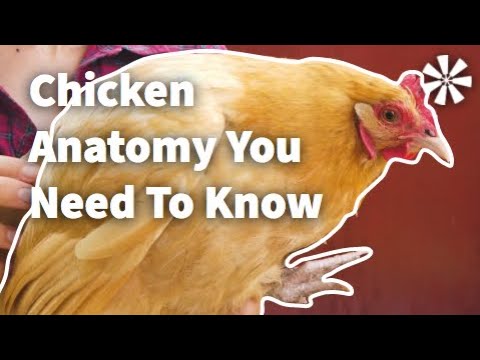
So, picture this: It’s a bright morning, and you’re just chilling in your backyard. All of a sudden, there’s this loud “Coo-coo-rrrooo!” that jolts you upright. You look over and there it is—a rooster strutting like it owns the place. Seriously, those guys are full of personality!
But what you might not realize is that there’s more to these feathered dudes than just their crowing. Roosters, with their vibrant colors and shiny feathers, have some pretty cool anatomy that helps them rule the roost—literally!
Ever wonder why they have such fancy combs on their heads or why they’re always puffing out their chests? Well, let’s dig into the science behind these quirky birds. You’ll see there’s a whole lot happening beneath those feathers!
Understanding Roosters: Their Role and Significance in Animal Science
Roosters are more than just farm alarms. They’ve got this intriguing and complex role not just in agriculture, but also in animal science. Let’s break it down.
First off, anatomically speaking, roosters are fascinating creatures! They have some unique features that set them apart from hens. For instance, they sport bright combs and wattles. These colorful parts aren’t just for show; they help regulate body temperature and attract mates. Whenever you spot a rooster strutting around with its vibrant comb bouncing, you’re witnessing nature’s way of showcasing health and vitality.
Now, let’s talk about their social behavior. Roosters are known for their hierarchical structures within flocks. They establish a pecking order, which determines who gets to eat first or even mate. It can get pretty intense! The dominant rooster will often assert itself with specific postures or vocalizations to keep others in line.
Moreover, their vocalization is key here too. You know that iconic crowing at dawn? It serves multiple purposes beyond just waking everyone up. Roosters crow to mark their territory and communicate with the rest of the flock. It’s like saying, “Hey, I’m here! Let’s keep this area ours!” This vocal dominance is crucial for maintaining social order among the chickens.
In terms of reproduction, roosters play an essential role as well. Their sperm can remain viable inside hens for up to 2 weeks! That’s right; a hen can store it and fertilize her eggs long after mating has occurred. This ability allows for better genetic mixing over time and contributes to healthy flock dynamics.
Roosters also have a pretty important role in sustainability practices. In many cultures, they help control pests by eating insects and other small critters that could harm crops. So while they might seem like just another cute animal on the farm, they’re actually little eco-warriors too!
And let’s not forget about those beautiful feathers! Rooster feathers come in all sorts of colors and patterns which aren’t just eye candy; they also play roles in social signaling and mating displays. When a rooster fans out its tail feathers while courting a hen? That’s some serious chemistry happening!
In summary, roosters are integral in animal science for many reasons:
- Anatomical features: Comb and wattles assist in thermoregulation.
- Social structures: Hierarchical systems govern their behavior within flocks.
- Crow vocalizations: Establish territory and communicate.
- Reproductive capabilities: Sperm storage allows for efficient breeding.
- Sustainable practices: Keep pest populations down naturally.
- Mating displays: Colorful feathers attract potential mates.
So next time you hear that crow or see one parading around a farmyard? Just remember: these feathered friends are way more than meets the eye—they’re fascinating players in both ecology and animal science!
Exploring the Anatomical Features of Chickens: Insights into Avian Biology and Structure
Chickens, those feathered friends that peck around our backyards, have some pretty interesting anatomy. Seriously, if you look closely, you’ll see they’re not just simple birds. They’ve got features that tell us a lot about avian biology in general.
First off, let’s talk about their skeletal structure. Chickens have lightweight bones. This is a big deal because it helps them fly short distances if they need to escape a threat. Their bones are also hollow, which makes them lighter and more efficient for movement. Imagine carrying around a backpack filled with books versus one filled with pillows—much easier to run when it’s lighter!
- Beaks: Chickens have interesting beaks, adapted for their feeding habits. They don’t have teeth, so the beak is crucial for pecking and scratching at the ground to find food.
- Eyesight: Did you know chickens have a wide field of vision? Their eyes are positioned on the sides of their heads, giving them nearly 360-degree vision! This helps them spot predators.
- Feet: A chicken’s feet are pretty nifty too. They’ve got three forward-facing toes and one backward-facing toe which helps them balance while they scratch or perch.
You know what’s cool? Chickens can actually see color better than humans can! Their eyes come packed with special cells called cones that enable them to see a wider range of colors. This ability plays a big role in how they interact with their environment—from finding mates to identifying food sources.
The heart of a chicken is also noteworthy. It beats faster than ours, often reaching up to 400 beats per minute when they’re excited or active! This rapid heartbeat pumps blood through their body quickly, supporting their high metabolism—perfect for all that pecking and scratching!
Diving deeper into their anatomy brings us to feathers—yep those fluffy plumes aren’t just for show. Feathers help with insulation and flight but also play roles in mating displays (especially in roosters). You might see those vibrant colors flaunted during mating season; it’s all about attracting hens!
- Wings: Even though chickens aren’t great flyers like eagles or hawks, their wings are essential for balance and some short bursts of flight.
If we switch gears and think about the digestive system, it gets even more fascinating! Chickens have a unique process called gizzard digestion where food is ground up in a muscular pouch before moving on to the intestines. Imagine instead of chewing your food normally; you had little rocks doing the work instead!
A fun anecdote: I once watched a hen scratching the ground as if she was digging for treasure! She was really just looking for bugs or seeds—and boy was she thorough! It’s moments like these that remind you how much purpose there is behind their anatomy.
The bottom line is chickens are more than meets the eye—they’re packed with anatomical features that not only support survival but also tell us tons about evolution and adaptation. Seriously next time you see one strutting around your yard or farm, take a second to appreciate its amazing biological design!
Understanding the Anatomy of Chicken: The 12 Parts and Their Functions in Culinary Science
So you’ve got a chicken in front of you and you’re curious about what’s going on under that fluffy skin, huh? Well, let’s break down the anatomy of the chicken and dig into those parts that make it not just a pretty plate but also a fantastic dish in your kitchen.
First off, let’s get familiar with some major parts. Chickens have various body parts that serve distinct culinary purposes. Here’s a brief rundown:
- Breast: This is the meaty part that we often think of when we hear “chicken.” Packed with protein, it’s perfect for grilling or sautéing.
- Thighs: Dark meat full of flavor and moisture! Great for roasting or braising, these are often juicier than their white meat counterparts.
- Drumsticks: These are just the lower part of the leg. They’re fun to eat and super flavorful—think BBQ or frying.
- Wings: Perfect for appetizers! With lots of skin and fat, they can be crispy fried or sauced up with your favorite flavors.
- Back: While not as popular as other cuts, this part has bones that can add tons of flavor to stocks and broths.
- Neck: Like the back, it’s great for making broth. It adds depth to soups—definitely worth saving if you’re cooking whole.
- Giblets: This includes the heart, liver, and gizzard. You can use these little guys in gravies or stuffings—really enhances flavor!
- Skin: The crispy outer layer we all love! It protects the meat while cooking and adds texture to your dishes.
- Bones: Not just there for structure! They’re essential for making rich stocks; simmer them down for hours.
- Liver: Seriously rich in flavor and nutrients! It can be sautéed or made into pâté—just don’t overcook it!
- Crop: This is where chickens store food just before digestion. Not a culinary use per se, but interesting knowing how their bodies work!
- Skeletal System: The structure keeps everything together so you can cook those delicious pieces without them falling apart on you!
So why does all this matter? When you’re cooking chicken, understanding these parts lets you choose which ones fit your recipe best. For example, if you’re after something quick like stir-fry, **chicken breast** might be your best bet. But if you’re doing something low-and-slow like stew? Go for **thighs** or maybe even toss in some **giblets**!
And hey, think about times when cooking brought people together—like that epic Thanksgiving feast where mom roasted a whole chicken (probably stuffed with giblets). It’s more than just anatomy; it’s tradition too.
Remember: embrace every part of the chicken next time you’re at the market or in your kitchen. By using different parts skillfully, you celebrate not only delicious flavors but also make good use outta what could’ve gone to waste! So next time you see a chicken just hanging out at the grocery store aisle (instead of running around) think about how every single piece has its role in making culinary magic happen!
Roosters might seem like just colorful birds strutting around in the yard, but they’re so much more intriguing than that! I remember a day when I was visiting my grandma out in the countryside. She had this rooster named Clucky (I know, super creative, right?). Clucky was always crowing at dawn, and his vibrant feathers caught my eye. I ended up spending hours just watching him. You’d be surprised how much there is to admire about these feathered fellows.
Let’s talk anatomy. Seriously, roosters have some pretty cool features that make them stand out—not just because of their flamboyant plumage. Their feet are strong and built for scratching at the ground to find food; those little spurs on their legs can be sharp, too! They use them for defense which is kinda impressive if you think about it. Imagine a tiny dinosaur running around your yard with its own set of protective weapons!
Now, one of the most fascinating parts? Their vocal cords! Roosters are known for their iconic crowing, and it’s all thanks to an organ called the syrinx. This little structure allows them to create a range of sounds. So when they wake you up at the crack of dawn, they’re not just being noisy—they’re actually communicating with their flock.
Then there’s their reproductive system. Roosters have a unique way of mating—no fancy courtship dances here! They use a behavior called “cloacal kissing,” which is as interesting as it sounds, I guess? They actually touch their vent openings together to transfer sperm. Nature has its quirks!
And hey, we can’t forget about feathers! They not only help with flight (though most domesticated roosters prefer to stick to the ground) but also regulate body temperature and attract mates. Those shiny colors aren’t just for show; they actually serve a purpose in survival too.
So yeah, roosters really embody a mix of beauty and function in nature’s design. When you consider all these aspects—like their strong feet or unique vocal cords—it makes you appreciate them way more than just as farm animals strutting around in circles chasing each other! Next time you see one clucking away or shining under the sun, you’ll think about all this fascinating anatomy backing them up. Pretty cool stuff if you ask me!