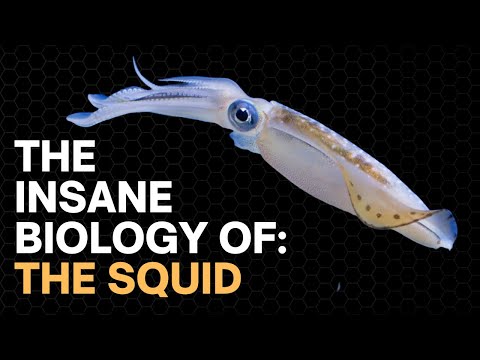
So, one time I was at the beach, you know, just chilling and watching the waves when suddenly a squid popped up! Okay, not literally popped up, but you get my drift. It was like something out of a science fiction movie. Super weird and super cool at the same time!
Squids are some of the most fascinating creatures in the ocean. Seriously! They’ve got these crazy adaptations that make them totally unique. Can you imagine having three hearts? Yup, squids do—it’s wild!
Their anatomy is like a mix between an alien spaceship and an underwater ninja. They can change colors, squirt ink, and even jet around like little torpedoes. It’s honestly astonishing what they can do!
So why not take a closer look at these incredible beings? Trust me, there’s a lot more to squids than meets the eye. Get ready to be amazed by their biology!
Exploring the Depths: 5 Fascinating Facts About Squids in Science
Sure! So, squids are these incredible creatures that live in the ocean. They might look pretty simple from afar, but there’s a lot going on beneath the surface—literally! Though they’re often overshadowed by their more famous relatives, like octopuses, squids are just as fascinating. Here are some cool facts about them that dive deep into their anatomy and biology.
1. Unique Anatomy: Squids have a really interesting body structure. They have a soft body with an elongated shape, which helps them be super fast swimmers. Their bodies are made mostly of muscle and they don’t have a hard shell like some other sea creatures do. Instead, they have a pen, which is basically a feather-like structure that supports their body.
2. Ink Defense Mechanism: You know how squids can squirt ink? It’s not just for show. When threatened, they release this dark ink to create a smokescreen so they can escape from predators! The ink contains substances that can even dull the senses of their attackers for a little while, giving them precious seconds to slip away.
3. Advanced Eyesight: Squids have some of the best eyes in the animal kingdom! Their eyes are similar to human eyes in design but way better suited for underwater vision. They can detect movement and see well in dim light conditions, making them skilled hunters in the deep sea.
4. Jet Propulsion Movement: These amazing animals use jet propulsion to move around quickly in water. By taking water into their bodies and then forcefully expelling it through their siphon, squids can zoom away from danger or chase down prey with impressive speed.
5. Complex Nervous System: Believe it or not, squids have one of the most complex nervous systems among invertebrates. They actually have large brains relative to their body size and exhibit behaviors that suggest intelligence—like problem-solving skills and even playfulness! This makes them quite unique compared to other sea creatures.
So there you go! Squids might seem like simple ocean dwellers at first glance, but once you start exploring what’s inside and how they work, it’s clear they’re way more complex than we often give them credit for! Isn’t it cool how much life there is lurking just below the surface?
Exploring Squid Anatomy: A Comprehensive Guide to Cephalopod Biology and Structure
Squid Anatomy: A Look Under the Hood
Squid are like the acrobats of the ocean. They’re fascinating creatures with a unique anatomy that makes them super interesting to study. So, let’s take a close look at what makes these cephalopods so cool!
Body Structure
First off, squids have a streamlined body, which helps them zip through water. Their body is divided into three main parts: the head, the mantle, and the arms. You see, it’s kind of like a superhero costume—each part has its special job!
- The Head: This is where all the action happens! The head houses their brain, which is surprisingly big for their size. It helps them think and react quickly to their environment.
- The Mantle: This is the large, fleshy part that covers their internal organs. The mantle not only protects but also acts like a sort of jet engine. When they contract it, they force water out and propel themselves forward—pretty nifty!
- The Arms: Squid have eight arms covered in suckers. These guys are super sensitive and help in catching prey or holding onto surfaces. Some squids even have longer tentacles that are used primarily for grabbing food.
Internal Organs
Now let’s peek inside! Squid have some really interesting internal organs.
- Beak: Their mouths contain a hard beak similar to a parrot’s. This beak is good at breaking down food before it’s swallowed.
- Ink Sac: This is one of my favorite parts! Squids can shoot out ink to escape predators. It creates a smoky cloud that confuses enemies while they make their getaway.
- Gills: Operating much like fish gills, these allow squids to breathe underwater by extracting oxygen from water passing over them.
Isn’t it wild? The way these organs work together is really impressive.
Circulatory System
Another cool thing about squid anatomy is their circulatory system. They have three hearts! Two pump blood to the gills to pick up oxygen while the third pumps it out to the rest of the body. This setup allows for efficient oxygen delivery when they’re swimming around fast.
Interestingly enough, squid blood isn’t red like ours—it’s blue! They use hemocyanin instead of hemoglobin to transport oxygen in their bodies. It’s pretty neat because this allows them to survive in deep waters where oxygen levels might be low.
Nervous System and Sensory Organs
You might not know this, but squids are actually quite smart for sea creatures! Their nervous system is complex with large brains relative to their body size. This allows them some level of problem-solving abilities.
And check this out—they’re equipped with some awesome sensory organs:
- Eyes: Squid eyes resemble those of mammals and provide excellent vision.
- Chemoreceptors: They can taste food in the water around them using specialized cells on their suckers!
Imagine being able to taste your surroundings; it’s almost like having superpowers!
Diversity Among Species
Lastly, let’s not forget there are many different kinds of squids out there—over 300 species! Each one has its unique adaptations depending on where they live and how they hunt.
For example, some deep-sea squids employ bioluminescence (they glow!) as a strategy for hunting or attracting mates while others prefer shallow waters where they can camouflage perfectly among corals or rocks.
All this makes studying squid an exciting adventure into ocean biology!
So next time you think about squids, remember how intricately designed they are! Their special features help them thrive in various marine environments—and hey—they’re just plain fascinating too!
Exploring Squid Anatomy and Biology: Unveiling the Secrets of Cephalopod Brain Function
Have you ever seen a squid up close? They’re like aliens from another world, you know? With their crazy shapes and fascinating behaviors, squids are some of the most intriguing creatures in the ocean. But what really blew my mind when I started learning about them is their anatomy and how their brains work. Let’s take a closer look at these marvelous cephalopods!
Squid Anatomy is like a masterclass in evolution. They have three hearts! Yep, you read that right. Two of those hearts pump blood to the gills, where it gets oxygen, while the third one sends it around the rest of their body. That’s essential when you live deep in the ocean where oxygen can be hard to come by.
Squids also have an interesting feature called chromatophores. These are special cells that allow them to change color and even texture! Imagine being able to blend into your surroundings or flash vibrant colors in an instant—like an underwater chameleon! This skill is super useful for both hiding from predators and communicating with other squids.
Now let’s talk about that impressive brain. Squid brains are quite large compared to their body size, which is pretty unusual in the animal kingdom. It’s mostly due to their complex behaviors. Seriously, squids can solve puzzles and learn from experience! Their brain wraps around their esophagus (the tube that carries food to the stomach), which seems a bit awkward but works for them.
The squid’s nervous system is highly developed; they have a series of ganglia—clusters of nerve cells—that coordinate movement and sensory information. This means they can move super fast when needed! Ever seen a squid jet away from danger? That sudden burst of speed comes from forcing water out of their bodies through a siphon.
Another cool aspect is their eyes; they’re somewhat similar to human eyes but without a blind spot. Imagine having better vision than most animals! Squid eyes are great for spotting prey or predators in dark waters. Plus, they can see polarized light, which helps them navigate effectively.
So here’s something neat: squids have been around for over 500 million years! Their anatomy evolved over all that time into what we see today—a perfect blend of form and function.
In summary, squids are fascinating creatures with unique anatomy and advanced brain function. Their three hearts, chromatophores, large brains relative to body size, efficient nervous systems, and remarkable eyesight make them truly special among marine life.
Next time you think about squids or even spot one while diving or at an aquarium, just remember how incredible these animals really are! You might just find yourself amazed at how much more there is under those waves than meets the eye.
Squid are some of the most intriguing creatures out there. Seriously, have you ever really thought about them? I mean, they’re not just a calamari dish at your favorite seafood restaurant. These guys have some super cool anatomy and biology that’ll blow your mind.
First off, let’s talk about their body structure. Squid can be incredibly colorful. They change colors and patterns in the blink of an eye! It’s all thanks to special cells called chromatophores, which are like tiny color-changing balloons in their skin. Just imagine being able to wear different outfits without even going to your closet! You follow me? This ability helps squids communicate with each other or blend into their surroundings to escape predators. I once saw a squid do this while snorkeling; one minute it was right there, bright and bold, and the next, poof! It was gone. Talk about camouflage!
Then there’s their beak—yeah, they actually have one! It’s kind of like a parrot’s beak but much more hardened and sharp. They use it to tear apart prey like fish and crustaceans. This is so cool because unlike us humans with our fragile teeth, squids can munch down on tough snacks without breaking a sweat.
And don’t get me started on their nerve cords! Did you know squid have giant axons? Axons are part of the nerve cells that send signals around the body. The neurons in squids are much larger than in most animals, which makes it easier for researchers to study them. That’s why squids often pop up in science labs; they’re kind of like nature’s “starter pack” for understanding neurology.
But here’s where it gets even more interesting: these cephalopods are super intelligent too! They can solve puzzles and show signs of playfulness—yeah, like when they squirt water at you just for fun. My friend once had a pet octopus who would play hide-and-seek with her; every time she hid behind something, it would search until it found her! Makes you think that these creatures might have more going on upstairs than we realize.
If you look closely at squids’ eyes—they’re a bit similar to ours but way cooler—like having built-in night vision goggles! Their eyes can detect light polarization better than humans can. This handy feature allows them to see better in murky waters and spot hidden prey or predators.
So yeah, when you take a step back and look at squid anatomy and biology, there’s so much more going on beneath the surface than just what meets the eye (pun intended!). It makes you appreciate how diverse life on our planet is and how every creature has adapted uniquely over time—whether it’s changing colors or having incredible problem-solving skills. It’s enough to make anyone feel a little awestruck by nature’s creativity, don’t you think?