So, let me tell you about my buddy Max, the golden retriever. One day, he was out on a walk and suddenly just stopped and stared at this cute little poodle. I swear, his eyes went all cartoon hearts—like something out of a movie! But it got me thinking: what’s really going on inside our furry friends when it comes to love and reproduction?
Canine reproductive anatomy is like this hidden world. It’s essential for understanding not just how pups come into the world but also how to keep them healthy.
You know, most folks don’t think twice about it. But for vets and pet parents alike, getting a grip on this stuff is super important. So buckle up; we’re gonna explore what makes our four-legged pals tick in the romance department!
Comprehensive Insights into Canine Reproductive Anatomy for Veterinary Science: A Detailed PDF Resource
The world of canine reproductive anatomy is super interesting, especially if you’re into veterinary science. Understanding how dogs reproduce can help you care for them better, whether for breeding or just basic health knowledge. So let’s break it down!
Canine Reproductive System Overview
The reproductive system in female dogs (or bitches) and male dogs (or studs) has distinct structures and functions. In females, the ovaries, uterus, and vagina are key players. Males have their own set, including the testes, penis, and prostate gland. Each part does something vital during reproduction.
The Female Canine Reproductive Anatomy
In females, the ovaries are where eggs—or oocytes—are produced. You know how a woman has a monthly cycle? Well, female dogs go through a similar process called estrus, or heat, which happens about twice a year. During this time, the eggs mature and get ready for fertilization.
- The uterus is pretty fascinating too! It’s where a fertilized egg implants and grows into puppies.
- The vagina acts as the passageway for both mating and whelping (that’s when they give birth).
- The mammary glands are also part of this system—after all, puppies need milk!
A neat fact? A dog’s heat cycle can last around two to three weeks. During this time, male dogs smell her pheromones from far away! Just think about it: all those mysterious signals happening right under our noses!
The Male Canine Reproductive Anatomy
Now let’s talk about males! Their reproductive anatomy focuses on producing sperm and delivering it to the female during mating.
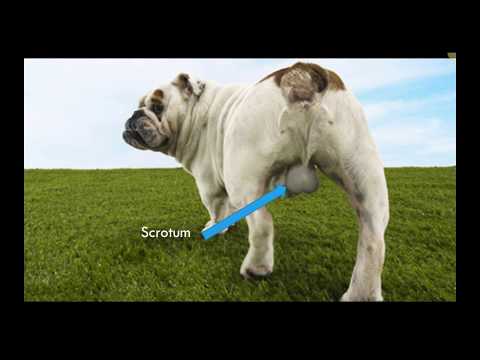
- The testes produce sperm cells and hormones like testosterone.
- The penis is crucial for mating; it delivers sperm to the female’s vagina.
- The prostate gland produces fluids that nourish and transport sperm.
Mating can be quite an event! When a male dog finds a receptive female, he will often spend time sniffing around first (it’s seriously like dog Tinder!). Once there’s interest both ways, they’ll mate with what’s called a “tie.” This is when the male’s penis swells inside the female to ensure successful fertilization—pretty wild stuff!
The Importance of Knowing This Stuff!
Understanding canine reproductive anatomy isn’t just for breeders or vets; it helps you recognize signs of heat and pregnancy in your pet. If you notice changes in behavior or physical appearance—like nesting behaviors or unusual appetite—you might be looking at an expectant mother!
Plus, if you’re ever faced with any complications during reproduction—a common issue—having solid knowledge can really help you communicate effectively with your veterinarian.
All said and done, canine reproductive anatomy is crucial not only for professional veterinary science but also for everyday pet owners who want to keep their furry friends happy and healthy.
Free Insights into Canine Reproductive Anatomy: Enhancing Veterinary Science Understanding
When you think about dogs, you probably imagine your furry friend wagging its tail or begging for treats. But there’s a lot happening inside them that we often overlook, especially when it comes to their reproductive anatomy. Understanding this part of canine biology is important for veterinarians and pet owners alike.
So, let’s break this down a bit!
First off, male and female dogs have some pretty distinct reproductive organs. For males, they have:
- Testes: These produce sperm and hormones like testosterone. They’re usually located in the scrotum, which keeps them cool.
- Penis: This is used to deliver sperm during mating. It has a special structure called the os penis, which helps with copulation.
- Prostate gland: Located near the penis, it produces fluids that nourish and transport sperm.
On the other hand, female dogs have their own set of fascinating structures:
- Ovaries: These are where eggs are produced. They also release hormones like estrogen and progesterone that regulate the reproductive cycle.
- Uterus: This is where fertilized eggs implant and develop into puppies. It has two horns, which is pretty unique compared to humans!
- Vagina: This serves as the birth canal during whelping (that’s just fancy talk for giving birth).
Both male and female dogs go through reproductive cycles that can be kinda wild! For females, it’s called the estrous cycle, which can be roughly divided into different stages: proestrus, estrus (the actual heat), diestrus, and anestrus. Each stage brings its own hormone changes and behaviors—like how girl dogs might act all flirty during estrus!
A little personal story here: I once adopted a stray dog who turned out to be pregnant. Watching her go through those stages was eye-opening! She was so loving one minute but then suddenly very picky about who she let near her. That whole process made me realize just how powerful these hormonal changes can be.
But why should this matter? Well, having good knowledge of canine reproductive anatomy helps vets in many ways:
- Treating conditions: Knowing what each part does allows vets to diagnose issues like infections or tumors more effectively.
- Surgical procedures: If a spay or neuter is needed, understanding anatomy ensures safer surgeries.
- Puppy deliveries: Vets can assist more effectively if they know how everything works during whelping.
Also worth mentioning is that understanding these systems aids in breeding practices. Responsible breeding relies on knowing about genetics and reproductive health to avoid issues in future litters.
To wrap things up a bit: mastering canine reproductive anatomy isn’t just for vet school nerds! It’s essential knowledge for anyone involved with dogs—be it pet owners or breeders aiming to keep their pups healthy and thriving. And who wouldn’t want their furry friends around longer? Just remember: your dog’s body tells an incredible story of life that’s worth exploring!
An In-Depth Exploration of the Female Dog Reproductive System: Anatomy, Functions, and Health Implications
The female dog reproductive system is pretty intriguing. If you’ve ever seen a dog go through her heat cycle, you might have felt a mix of curiosity and concern. So, let’s break it down, shall we?
First off, the main parts of the canine female reproductive system include the **ovaries**, **fallopian tubes**, **uterus**, **vagina**, and **vulva**. Each part has its own role in reproduction.
Ovaries: These are like the control centers. Every female dog has two of them, and they produce eggs (which are called ova) and hormones such as estrogen and progesterone. This hormonal dance is what triggers heat cycles.
Fallopian Tubes: These connect the ovaries to the uterus. When an egg is released during ovulation—usually around every six months for most breeds—it travels down these tubes. If there’s sperm around (from a male dog), fertilization can happen here.
Uterus: This is where things get serious if a pregnancy occurs. It’s divided into two horns that give space for multiple puppies to grow. This organ thickens during a heat cycle to prepare for possible implantation of fertilized eggs.
Vagina: The vagina serves as both a passageway for mating and birthing puppies. It’s lined with tissues that help protect against infections.
Vulva: The outer part that you can see; it swells up during heat due to increased blood flow and hormone activity.
Now, let’s talk about the heat cycle, or estrous cycle, which is when a female dog can become pregnant. It has four stages: proestrus, estrus, diestrus, and anestrus.
The whole cycle can be complex! Some dogs will have irregular cycles or even skip them entirely due to health issues like weight problems or stress factors.
Speaking of health implications—like with any biological system—there are some concerns to keep in mind:
If your dog has frequent heat cycles without breeding, it could lead to conditions like **pyometra**, which is an infection in the uterus that can be life-threatening if not treated quickly. Early spaying prevents this issue altogether!
Another point worth mentioning is how hormonal changes affect behavior during these cycles. You may notice your pup acting different—more affectionate one moment or super moody the next!
So really, understanding your dog’s reproductive anatomy isn’t just academic; it helps keep her healthy too! And being aware of how all these parts work together gives you insight into potential problems down the line—and trust me; being proactive makes all the difference.
And hey, this understanding opens up conversations with your vet about whether spaying or any other reproductive choices could benefit your furry friend!
Talking about canine reproductive anatomy might sound a bit technical at first, but it really isn’t all that complicated. So, let’s break it down together, shall we?
I remember going to a local animal shelter once, and I saw this adorable mother dog with a litter of fluffy puppies. It was heartwarming, for sure! But it got me thinking about all the fascinating biology happening behind the scenes. You know how we humans have our own reproductive systems? Well, dogs have theirs too, with some unique twists.
First off, female dogs—called bitches—have a cyclical reproductive system. They go through different stages in their heat cycle. It’s kind of like they have their own rhythm when it comes to mating and reproduction. There are four main phases: proestrus, estrus (that’s when they’re actually ready to mate), diestrus, and anestrus. Each phase is marked by changes in hormones and behavior. You can imagine how important that is for breeding!
On the flip side, male dogs have some interesting anatomy as well! They possess a penis that has a structure called a bulbus glandis which swells during mating. This helps lock them together with the female for a while—a sort of nature’s way of ensuring that they stick around to do their thing. Kinda clever if you ask me!
The cool part is that understanding these anatomical details can greatly help veterinary science. Like when vets need to perform surgeries or assist with breeding programs; knowing how everything works is essential. Plus, there are health implications too! Conditions like pyometra (a serious infection in the uterus) or testicular issues can arise if we don’t keep an eye on things.
So yeah, while it might seem like just biology on paper or in textbooks, there’s so much more to it when you think about all the lives involved—like those cute puppies at the shelter! If you ever get the chance to look closer into this world—maybe by volunteering or chatting with vets—it really adds depth to your appreciation for our furry friends and how we care for them. It’s pretty amazing stuff if you’re willing to dive into it!