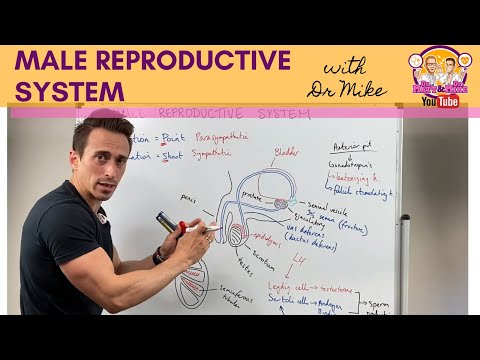
You know, I once read that male testicles are the only organs that hang outside the body. Crazy, right? It’s like they’re saying, “Hey! We’re totally different from everyone else!”
So, let’s talk about these little guys. They aren’t just there for show. They play a crucial role in keeping the whole reproduction thing going. Seriously, without them, we’d be in a bit of a pickle.
But there’s more to them than you might think. From their anatomy to how they function, there’s a wild story behind those two little orbs. Buckle up; it’s gonna be an interesting ride!
Exploring Testicle Problems: A Comprehensive Analysis of Male Reproductive Health in Scientific Research
Sure, let’s have a chat about testicle problems and how they relate to male reproductive health.
When we talk about testicles, we’re looking at two small organs that hang outside the body. They’re vital for producing sperm and hormones, especially testosterone. This is why their health is super important.
So, what are some common issues? Well, one big one is testicular torsion. This happens when the spermatic cord twists, blocking blood flow. It can be really painful and usually needs immediate attention. Imagine waking up one morning with this excruciating pain; it could lead to serious complications if not treated quickly.
Another problem is varicocele. This condition involves swollen veins in the scrotum and can affect sperm production and quality. It’s kind of like having a varicose vein in your leg but down there instead! Some guys don’t even notice symptoms until they see fertility issues later on.
Then there’s epididymitis, which is just a fancy term for inflammation of the epididymis—an important part of your testicles where sperm mature. Infections, whether bacterial or viral, are often culprits here. It’s tricky because it can feel like you’ve got a bad ache or swelling without knowing exactly what’s wrong.
Moving on to something really serious: testicular cancer. Thankfully, it’s relatively rare but it usually strikes younger men aged 15 to 35. Early signs might include lumps or changes in size—basically anything that feels different from what you’re used to makes checking in with a doctor essential.
Alongside these conditions, there’s also mental health to consider! Dealing with reproductive issues can be stressful and impact self-esteem or relationships. For instance, worrying about fertility can lead to anxiety; guys might feel isolated thinking no one else understands their concerns.
Now, let’s look at how science helps us understand these testicle problems better:
- Research Studies: Many studies focus on how these conditions develop and their long-term effects.
- Treatments: Innovations in medicine have led to more effective treatments for conditions like varicocele or infections.
- Cancer Awareness: There are programs aimed at raising awareness about self-exams to catch testicular cancer early.
- Mental Health Support: Increasing recognition of mental health impacts has led to more resources available for men experiencing these issues.
It’s all connected: understanding the biology leads us toward better prevention and treatment options. So if you ever notice something off down there—like discomfort or lumps—talking to someone who knows their stuff is key! You don’t want those little guys to go unchecked; after all, they play a huge role in life beyond just reproduction!
Men’s health may not always get the spotlight it deserves, but being informed can make all the difference!
Understanding Testes Function: Key Insights into Male Reproductive Biology and Hormonal Regulation
So, let’s talk about the testes. Those little guys, tucked away just outside the body, play a huge role in male reproductive health. Understanding how they function can really give you some insights into not only biology but also hormonal regulation.
First off, the **testes** are two small organs located in the scrotum. They’re about the size of a golf ball and hang outside the body because sperm production needs a cooler temperature than what’s found inside. If they were kept too warm, well, you wouldn’t want that; it affects sperm viability. So yeah, nature really thought this one through.
Inside each testis are tiny tubes called **seminiferous tubules** where sperm cells are produced. This process is known as **spermatogenesis**, and it’s pretty fascinating! Basically, stem cells in these tubes undergo several changes to become mature sperm. It’s like watching a caterpillar turn into a butterfly—lots of transformation going on!
Now let’s get into hormones because they are key players here. The main hormone produced by the testes is **testosterone**, which is super important for developing male characteristics like facial hair and muscle mass. But it also plays a role in libido or sex drive! You see how everything connects?
Testosterone production is regulated by another hormone called **luteinizing hormone (LH)** from the pituitary gland in your brain. When LH levels rise, it signals the testes to produce more testosterone. It’s kind of like a feedback loop: if testosterone levels dip too low, more LH gets released to bring those numbers back up again.
Here’s where it gets even cooler: there are also other cells in the testes called **Sertoli cells** that support and nourish developing sperm cells. They’re crucial for creating an environment where sperm can grow properly. Think of them as caring parents—making sure their kids (the sperm) have everything they need to succeed.
And let’s not forget about another major player: **follicle-stimulating hormone (FSH)**, which also comes from that pituitary gland sidekick I mentioned earlier. FSH works together with testosterone to help stimulate sperm production in those seminiferous tubules.
In terms of reproductive health, if something goes wrong with any part of this system—like low testosterone levels or issues with spermatogenesis—you could end up facing fertility challenges or other health problems.
To wrap this up nicely: understanding how your testes work isn’t just about biology; it touches on your overall health as well! By keeping tabs on hormone levels and reproductive function, you can maintain better wellbeing both physically and emotionally.
So yeah, there you have it! Testes aren’t just little organs; they’re powerhouses of reproduction and hormonal regulation wrapped up all snugly in that scrotal sac!
Comprehensive Overview of Testis Anatomy: Structure, Function, and Clinical Significance in Human Biology
Alright, so let’s chat about something that might feel a bit delicate but is super important—testis anatomy. Yeah, those little guys have a big role in reproductive health. You ready to dive into this?
The testes, or testicles, are two small organs located in the scrotum. They’re actually kinda oval-shaped and hang outside the body. This positioning is essential. Why? Because sperm needs a cooler temperature to develop properly, and the scrotum helps with that.
Now, let’s break it down a bit more:
- Structure: Each testis is made up of tiny structures called seminiferous tubules where sperm production happens. Imagine these as little factories churning out sperm cells.
- Cells Involved: There are two main types of cells here: Sertoli cells and Leydig cells. Sertoli cells nurture developing sperm. Leydig cells produce testosterone, which plays a major role in male characteristics and libido.
- Sperm Development: The process of making sperm is called spermatogenesis. It starts when a male hits puberty and can continue throughout most of life! The whole process takes about 64 days from start to finish, kinda wild, huh?
You might wonder about their size—typically each testis is around 3 cm long and weighs about 15-25 grams. But size doesn’t determine fertility; it’s all about how well they function!
Now let’s talk function:
- Sperm Production: As I mentioned earlier, this is where sperm comes from! Once created, sperm travel through ducts to mix with fluids from other glands before being ejaculated.
- Hormonal Regulation: Testosterone isn’t just for show; it regulates many things like bone density, muscle mass, and even mood swings! Seriously!
But wait; there’s more! The clinical significance of testes can’t be overlooked.
- Disease Awareness: Testicular cancer can occur in young men between ages 15-35. It’s pretty rare but knowing your body helps catch issues early on.
- The Importance of Self-Exams: Regular self-checkups can help identify lumps or changes in texture early on—like finding a needle in a haystack but crucial for your health!
If you’ve ever experienced anything strange down there or have concerns regarding fertility or hormone issues, consulting a healthcare professional is totally the way to go.
The thing is: understanding your anatomy can empower you to take charge of your reproductive health. It’s not just biology; it’s your life!
Alright, so let’s chat about something that doesn’t come up in everyday conversations—human testicle anatomy. Now, before you raise an eyebrow, hear me out. It’s actually pretty fascinating stuff, seriously!
First off, the testicles, or testes if you’re feeling formal, are more than just a couple of round things hanging down there. They’re quite crucial for reproduction and overall male health. They produce sperm cells and hormones like testosterone, which is key for all sorts of things, like muscle growth and mood regulation. So yeah, they’re kind of a big deal!
I remember when I was in high school biology class and we had this awkward but interesting discussion about reproduction. Everyone was a bit giggly and shy talking about it. But then the teacher dove into how these little guys work—the seminiferous tubules where sperm is made and then stored in the epididymis. Suddenly it wasn’t just some embarrassing topic; it became clear how essential they are for life itself!
Now let’s break it down a bit more: each testicle is wrapped up in layers of tissue that protect them—a bit like how you’d wrap an egg to prevent it from cracking. And they’re not just chilling there; they actually have to be at a slightly lower temperature than the rest of the body for optimal sperm production. That’s why they hang outside!
But here’s where it gets even more interesting—they’re sensitive little fellows too! Not only do changes in temperature affect them, but stress can play a role as well. If you’ve ever felt anxious before a big moment, think about how your body reacts; it’s similar for the testes when under stress.
And let’s talk health for a sec: lots of guys don’t think much about their reproductive health until something goes wrong—like varicoceles or even testicular cancer. Regular check-ups can catch issues before they become serious. It’s all part of being proactive—like getting your car serviced instead of waiting until it breaks down on the highway.
So yeah, while testicles might seem kinda trivial at first glance, there’s way more going on beneath the surface (pun intended!). They play vital roles in everything from hormone production to reproductive capabilities—and understanding this anatomy helps us appreciate our bodies better! And hey, maybe next time you find yourself having an awkward conversation about them with friends (or students), you’ll have some cool facts to share!