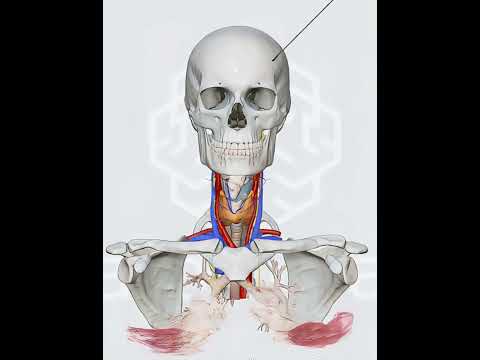
You ever tried to explain the human body to someone who thinks anatomy is all just bones and muscles? Yeah, it can get a bit wild. Like, I once tried to impress a friend by naming all the muscles in my arm. Spoiler alert: I ended up just waving my arms around like a dork!
But here’s the kicker: our upper body is like this intricate machine. Seriously! It’s not just about those bulging biceps we see in the gym mirror. There’s layers upon layers of complexity beneath the surface.
It’s more than just looking good in a tank top, ya know? Stuff like how our shoulders move, the way we reach for things, or even that awkward dance move you try at parties—all of it comes down to how our upper body is built.
So, let’s peel back those layers and take a closer look at what makes us so… well, human! You ready for a little anatomy adventure?
Exploring the Complexity of the Human Body: Insights from Biological Science
Exploring the human body is like navigating a super intricate city. Each part has its own role and, together, they form a harmonious system. So let’s take a stroll through the upper body and check out what makes it tick!
The Skeleton: The Framework
The skeleton is your body’s framework, kinda like the steel beams of a building. It contains 206 bones, with some major players in the upper body, like the scapula (shoulder blade) and clavicle (collarbone). These guys connect your arms to your torso. Ever tried lifting something heavy? That’s your bones and muscles working together!
Muscles: The Movers
Then there are muscles, which are basically what allow us to move. The upper body has several important muscle groups:
- Pectorals: These are your chest muscles, very noticeable when flexing or working out.
- Deltoids: These cover the shoulder area and help you lift your arms.
- Biceps and Triceps: Biceps flex when you bend your arm; triceps extend it back straight.
When you reach for something on a high shelf? That’s your deltoids kicking in, showing off their strength!
Nervous System: The Communication Hub
Now, let’s talk about the nervous system! Think of it as the internet of your body. Signals travel fast! When you touch something hot, sensory neurons send that message to your brain quicker than you can say “ouch!” This helps protect us from injury.
Circulatory System: The Delivery Service
Blood pumps through arteries and veins all around this upper region. Your heart is like a relentless delivery truck that brings oxygenated blood to feed those hardworking muscles. Seriously, without this system, we’d all be in serious trouble.
The Lungs: Oxygen Factory
And what about breathing? Your lungs chill out right in your chest cavity. They’re essential for delivering oxygen, which fuels everything we do—like running after a bus or even just sitting there binging on shows.
Do you remember that time when you ran up the stairs too fast? You probably felt that burn in your lungs! That’s because they were working overtime to deliver oxygen to meet those sudden demands of energy.
The Skin: Your Largest Organ
And here’s something cool—your skin is also part of this equation! It covers everything and protects against germs while helping regulate temperature.
So next time you’re getting ready for bed after a long day of activity or chillaxing on the couch with snacks, think about all these systems just hanging out in harmony within you! They work behind-the-scenes in such amazing ways; it’s wild how complex yet seamless our bodies really are.
In short, every process—whether moving an arm or breathing—depends on this fascinating interplay between structures in our upper body. It’s complex but oh-so-special!
Exploring the Six Levels of Human Body Organization: A Scientific Overview
The human body is like this incredible, complex machine, right? There are different layers to it, and they all work together in harmony. Let’s break down the six levels of organization in our bodies. It’s pretty cool how these levels stack up on each other!
1. Chemical Level
At the very base, we’ve got the chemical level. This is all about atoms and molecules—like the tiny building blocks of life. Think of atoms as the Lego pieces. When they link up, they form molecules like water or proteins that are essential for cells.
2. Cellular Level
Next up is the cellular level. Here, things get a little more exciting. Cells are like little factories doing all sorts of tasks! For example, muscle cells help us move by contracting while nerve cells send signals throughout our bodies. Each cell has a specific role to play.
3. Tissue Level
Now, let’s talk about tissues—groups of similar cells working together to perform a function. There are four main types:
- Epithelial tissue: Covers surfaces and lines cavities; it’s like a protective shield.
- Connective tissue: Supports and binds other tissues; think tendons and ligaments.
- Muscle tissue: Enables movement; we have skeletal, smooth, and cardiac muscle.
- Nervous tissue: Transmits impulses; it helps us react to stimuli.
4. Organ Level
Moving on to the organ level! Here’s where things get even cooler—organs are made up of different tissues working together for specific functions! For instance, your heart pumps blood throughout your body using its muscle tissue while being surrounded by connective tissue that provides structure.
5. System Level
Then there’s the system level where organs team up to perform broader functions in what we call organ systems. The circulatory system includes your heart and blood vessels working together to transport oxygen and nutrients everywhere it needs to go.
6. Organism Level
Finally, we reach the organism level—the whole shebang! This is you or me—an individual human being made up of all those fancy systems working in unison! Everything from breathing to thinking happens at this level.
So there you have it—the six levels of organization in the human body! It’s fascinating how everything connects so seamlessly—from tiny atoms all the way up to an entire person moving through life! Next time you think about your body, remember this amazing hierarchy that keeps everything functioning smoothly. Pretty neat, huh?
Exploring the Intricacies of Human Upper Body Anatomy: A Comprehensive Study of Brain-Body Interconnections
Let’s chat about the fascinating world of human upper body anatomy, especially how our brain connects with everything up there. Seriously, it’s like a super advanced control center combined with a well-orchestrated symphony.
First off, our upper body includes the shoulders, arms, hands, and of course, the chest area where all that important stuff is packed. Have you ever thought about how your brain tells your arm to wave? It’s mind-blowing! The pathways between your brain and body are intricate and complex.
The Brain Connection
So here’s what happens: your brain sends signals through the nervous system to control muscle movements. This is done via a network of neurons. When you decide to lift something or reach for your car keys on the table, it’s not just wishful thinking. Your brain actually activates specific motor neurons to make it happen.
Cortical Mapping
There is this cool thing called “motor cortex,” which is like a map for movement in the brain. Different parts correspond to different body parts. So when you think about moving your fingers? That part of the motor cortex lights up and sends signals down spinal cord.
- Neuroplasticity: Our brains can change based on what we do! If you practice playing guitar a lot, the areas controlling finger movement get stronger.
- Sensory Feedback: You don’t just send commands; you also receive feedback from your senses. Like when you touch something hot—the signal goes back to the brain faster than you can say “Ouch!”
The Role of Muscles
Muscles in our upper body are crucial for every little move we make. They work by contracting when they receive signals from those motor neurons we talked about earlier. Imagine lifting a heavy box; it’s all about teamwork between muscles and nerves!
The muscles can be categorized into two main types: skeleton muscles, which help us move intentionally (like waving), and smooth muscles, found in organs that work automatically (like breathing).
Interestingly, some folks have different strengths due to their anatomy! Athletes typically have more developed shoulder and arm muscles from repetitive training—so they’ve got an edge when it comes to those tasks.
The Importance of Posture
Let’s not forget posture! Holding your upper body correctly affects everything from breathing to digestion. Good posture allows for optimal lung expansion; if you slouch while sitting at a desk all day? Oof! That can lead to discomfort and fatigue over time.
Just think back—remember that one time you sat too long slumped over? Bet it didn’t feel great after, right? That’s because poor posture messes with how effectively your brain communicates with your body as well!
Brain-Body Interactions
The way our thoughts influence our physical state is another wild concept. When stressed or anxious, those feelings may actually tighten certain muscles or even cause pain in areas like the neck or shoulders—kind of like tension holding onto its buddies!
That mental connection means treating both mind and body like best friends instead of rivals. Mindfulness practices often include exercises that release tension in those upper-body areas—so they’re really doing double duty!
In summary, our upper body’s anatomy isn’t just about bones and muscles; it’s this exquisite dance between neural pathways and physical actions driven by our brains. The next time you’re reaching out for something or feeling tense after a long day at work, remember that inside that beautiful skull lies an intricate system working together so seamlessly—even if we take it for granted sometimes!
So yeah, keep exploring those connections! Each movement reflects this amazing interplay between mind and body you’d never guess was happening behind the scenes.
So, let’s talk about something we kinda take for granted: our upper body anatomy. Seriously, have you ever thought about how complex and amazing it is? I mean, just think about all the stuff your arms, shoulders, and chest can do.
The other day, I was watching a friend of mine doing some yoga. She effortlessly swung her arms up and flowed through poses like it was second nature. It made me realize how much coordination goes into that – not just from practice but also from this intricate network of muscles and bones cleverly designed to work together.
You’ve got the backbone—literally! Your spine holds everything up and protects your nervous system while letting you twist and bend. And then there are the muscles – oh boy! The biceps, triceps, deltoids… they all work in harmony to help you lift things, throw a ball or even give someone a high-five. Ever tried to give a high-five with just one arm? It’s awkward!
Not to forget the rotation at your shoulders. Those little joints allow us to reach for that snack on the top shelf or wave at a friend across the street. Every time we move our upper body, it’s like this beautifully choreographed dance that we don’t even think about.
But here’s something I find wild: despite how efficient everything is working together most of the time, we can really mess things up if we’re not careful. Poor posture? All of a sudden you’re feeling aches in areas you didn’t even know existed! Yeah, our upper body anatomy is super cool but also super sensitive.
So, while my friend’s graceful yoga moves took my breath away, they also reminded me of how important it is to appreciate what our bodies do for us every single day. You know? Bodies are remarkable machines that deserve some love and care! It’s kind of inspiring when you think about all those tiny details working together behind every simple action we take.