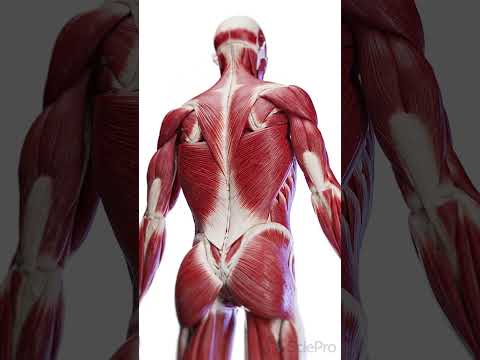
You ever notice how you can pull a muscle in your back just by sneezing? Seriously, it’s wild! One minute you’re having a chill day, and the next—BAM! You’re walking like a question mark.
But here’s the thing: our backs are these incredible structures. They hold us up, let us twist and turn, and even help us lift stuff. And yet, most of us just take them for granted.
Let’s chat about back body anatomy. It’s not just boring bones and muscles; it’s like this hidden world of complexity that we kinda ignore but rely on every day. You with me? Alright then!
Discovering the Overlooked Muscle Behind Chronic Back Pain: Insights from Muscle Physiology
So, chronic back pain, huh? It’s something that so many people deal with and it can be super frustrating. You might think it’s all about those big back muscles everyone talks about, but let me introduce you to a little hero that often gets overlooked: the multifidus muscle. Sounds fancy, right? But stick with me—this guy is crucial for keeping your back stable.
The multifidus runs along your spine and is a key player in supporting the vertebral column. It’s like those tiny strings on a puppet that keep everything from flopping around. When these little muscles are weak or not working properly, they can lead to instability and, guess what? Chronic pain!
You may not realize this, but when we think of back pain, we usually focus on injuries or conditions like herniated discs or arthritis. However, muscle dysfunction is like an underlying villain in this story. Here are some points to consider:
- Stability First: The multifidus helps stabilize the spine during movement. Without it doing its job right, your whole back can get thrown off balance.
- Weakness Correlates with Pain: Studies have shown that people with chronic low back pain often have weakened multifidus muscles. So when these guys are slacking off, your chances of experiencing pain go up!
- Activation Matters: Sometimes it’s not just about strength; it’s also about how well the muscle activates when needed. If the brain and muscle aren’t on speaking terms during activity, that can lead to issues.
- Rehabilitation Role: You can actually work on strengthening the multifidus through targeted exercises! Physical therapy often incorporates specific movements to help get these muscles firing properly again.
- A Balance with Other Muscles: The multifidus doesn’t work in isolation; it collaborates with other muscles around your core and lower back. Keeping all these players in sync is essential for a healthy back.
So here’s a thought: Think of your body as a complex machine where every part needs to function harmoniously. Imagine you’re driving a car—if one small part isn’t working right (like that pesky muffler), you might have some serious performance issues.
And don’t forget about posture! Poor posture could be leading to some serious strain on those multifidi (that’s plural for multifidus—how cool is that?). Sitting hunched over at a desk all day isn’t doing anyone any favors.
Now, picture this: you’re at the gym trying to lift weights but feeling discomfort creeping in because of weakness in those supporting muscles. You know how annoying that feels! All that hard work getting overshadowed by something easily fixed if only we’d pay attention.
In essence, understanding and addressing this overlooked muscle could be key in relieving chronic back pain for many folks out there. So next time you’re chatting about back health or maybe even dealing with some pain yourself, remember the multifunctional hero lurking behind your vertebrae—the multifidus might just need some love!
Exploring the Anatomy of the Human Back: The Five Key Parts Explained
Alright, so let’s talk about something we all have: our backs! Seriously, they’re like the unsung heroes of our bodies, right? You might not think much about your back until it starts acting up. But understanding its anatomy can actually help us appreciate it more and keep it in good shape.
First off, let’s break down the anatomy of the human back. There are five key parts that are pretty crucial:
- Vertebrae: These are the bones making up your spine. You’ve got 33 of them stacked on top of one another like a tower of blocks. Pretty cool, huh? They protect your spinal cord and give structure to your back. Think of them as the framework holding everything together.
- Muscles: Your back is packed with muscles that help you move, lift, and twist. These muscles can be divided into two main groups: superficial, which are closer to the skin and responsible for larger movements; and deep, which are smaller but super important for stability. Ever lifted something heavy and felt that burn in your lower back? Yeah, that’s those muscles working hard.
- Ligaments: These tough bands connect bones to other bones in your spine, helping to stabilize everything. They’re kind of like ropes keeping a tent standing strong against wind. If you’ve ever pulled a muscle or sprained something in your back, those ligaments might have been involved.
- Nerves: The nerves running along your spine send signals between your brain and body. They control everything from feeling sensations to moving your limbs. Ever felt a tingle down your leg when you sat too long? That’s nerve compression at work!
- Discs: Between each vertebra are small cushions called intervertebral discs that act like shock absorbers for your spine. Imagine them as little jelly donuts—soft yet supportive! If they get squished or damaged (hello, herniated disc), it can lead to some serious discomfort.
Now I’ve got a little story for you! A few years ago, I was helping a friend move some heavy boxes up three flights of stairs (what was I thinking?!). By the end of it, my back was screaming at me! Turns out I had overworked those poor muscles and put some extra strain on my ligaments because I wasn’t lifting properly.
So yeah, knowing about these parts can be super helpful—whether you’re lifting stuff or just chilling on the couch all day binge-watching shows. Keeping our backs strong with good posture and exercise is key! And when something feels off? Well, understanding what could be wrong might help us know when it’s time to see a doc.
In short—and this is really important—our backs consist of bones (vertebrae), muscles for movement, ligaments connecting things together, nerves sending signals all over the place, and discs acting like cushions between vertebrae. Respecting this anatomy can go a long way toward keeping you feeling great every day!
Exploring the Organs Located on the Back of the Human Body: A Scientific Overview
Sure thing! Let’s get into the nitty-gritty of the organs and structures hanging out on your back. It’s one of those areas that often doesn’t get a ton of attention, but there’s actually a lot going on back there!
First off, when we think about the back, we usually envision the spine. And you’re right to! But there’s much more than just bones. Your spine is made up of little building blocks called vertebrae, which protect your spinal cord—a crucial pathway for nerve signals between your brain and body.
Then, let’s not forget that cool web of muscles sitting on top. You’ve got muscles like the latissimus dorsi, which is a big muscle stretching from your lower back to under your armpits. Seriously, it helps with all sorts of movements, like pulling things down or back.
Now, on to some important organs that hang out in this region:
- Kidneys: These are kind of like the body’s natural filters, and they sit way in the lower back area, one on each side of your spine. They’re crucial for removing waste and balancing fluids.
- Liver: While it’s mostly in the front under your rib cage, a part can be found at an angle extending towards the back too. The liver has tons of jobs—like processing nutrients and detoxifying stuff.
- Spleen: This organ helps fight infections and sits just above your left kidney. It also plays a role in recycling red blood cells!
So it’s not just bones and muscles; you’ve got vital organs crammed in there too!
Besides those organs, there’s also a bunch of nerves branching out from the spinal cord that send messages all over your body. If you’ve ever felt tingling or pain shooting down your leg—it might be due to those nerves getting pinched somewhere along the spine.
Here’s another cool thought: your skin on your back is filled with sensory neurons that help you feel sensations like touch or temperature changes. Ever had someone tickle you? Yep, that sensation comes from this vast network!
And speaking of sensations—you know how sometimes tension builds up in our shoulders? That stress can lead to tightness in muscles like the trapezius or rhomboids up there. They’re working hard when you’re hunched over at a desk all day!
Let me give you an emotional moment here: think about when you hug someone really tightly; it feels safe and warm because all those muscles are working together harmoniously to keep us upright and supported.
In summary, exploring what lies behind our skin reveals an intricate dance between bones, muscles, organs, and nerves—all playing their part to keep everything functioning smoothly. Next time you take a breather or stretch after sitting too long—remember all that’s happening behind you! Keep appreciating those amazing structures keeping us going every day!
Your back, it’s kind of like a behind-the-scenes superhero, right? You don’t think much about it until something goes wrong. I remember this one time when I was lifting a box that seemed super light but, whoa, did my lower back suddenly decide to throw in the towel! It was like my body said, “Nah, we’re not doing this today!”
So let’s break it down a bit. The back is this intricate structure made up of bones, muscles, nerves… like a real-life puzzle. Seriously! There are 24 vertebrae stacked up like building blocks. They protect your spinal cord and allow you to bend and twist. Each vertebra has its own quirks and characteristics—some are more curvy, while others are flatter.
And then there are the muscles! You’ve got the large latissimus dorsi that stretches across your sides, helping with movement and stability. And tiny muscles in between the vertebrae called interspinalis which help with posture and keeping everything aligned—it’s mind-boggling how much work goes into just standing or sitting!
But wait! There’s also the fascia—the connective tissue that wraps around everything like bubble wrap for your insides. It keeps everything in place but can also become tight or sticky if you’re not careful (hello, stress!). This often leads to discomfort or pain which we might ignore until it really gets out of hand.
Plus, all these parts work together with our nervous system. Ever felt that jolt when you accidentally bang your elbow? That’s your nerves sending messages faster than a text from your best friend saying they’re running late again!
So yeah, our backs are hugely complex yet beautifully orchestrated systems working day in and day out without much credit. We take them for granted until we feel twinges or aches reminding us they’re there. So next time you do some stretches or even just stand up after sitting for too long—give a little shoutout to your back for all its hard work!