You know that moment when you spot a baby panda on the internet and your heart just melts? Seriously, those little fluff balls are like nature’s adorable ambassadors.
But here’s the thing: pandas are in big trouble. And it’s not just them—lots of critters out there are struggling to keep their heads above water, or should I say, paws?
That’s where captive breeding programs come in. It’s not just about keeping species alive in a zoo; it’s about giving them a fighting chance back in the wild. Sounds kind of like a sci-fi movie, huh? But it’s happening right now!
Imagine scientists playing matchmaker for endangered species—like setting up blind dates but with more fur and scales. We’re talking real-life heroes doing what they can to save our planet’s incredible biodiversity.
So let’s chat about how this all works and why it totally matters!
Captive Breeding Programs: A Crucial Strategy for Biodiversity Conservation
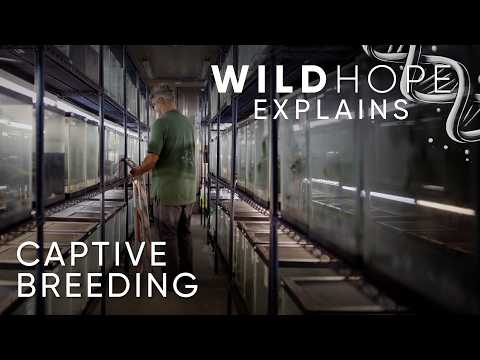
Captive breeding programs are kind of like a lifeboat for species on the brink of extinction. Picture this: you’ve got an animal whose habitat is disappearing faster than ice cream melts on a hot day. What’s the plan? Well, that’s where captive breeding steps in. It’s all about bringing these animals into a safe space where they can reproduce without the stress of predators or habitat loss.
Why Do We Need Captive Breeding?
The world is changing at lightning speed, with climate change, deforestation, and pollution throwing countless species into peril. Sometimes there are just too few individuals left in the wild to keep a population thriving. Captive breeding programs can help increase those numbers. It’s a way to build up a population until it’s healthy enough to be reintroduced into the wild.
Here’s the thing, it’s not as easy as it sounds. Breeding animals in captivity isn’t just feeding them and letting nature take its course! You’ve got to pay attention to genetic diversity—like making sure you don’t end up with a family tree that looks more like a straight line. Inbreeding can cause genetic problems which makes populations weaker over time, and nobody wants that.
- Conservation success stories: Take the California condor, for instance. Once down to just 27 birds in 1987, captive breeding brought them back from the brink! Now there are more than 400 condors thanks to dedicated efforts.
- The logistic challenge: Running these programs can be complex and expensive. You’ve got to keep habitats clean, manage diets, and create environments that mimic their natural homes as closely as possible.
- Mixed results: Not all attempts have worked out perfectly. For example, captive-bred individuals sometimes struggle when they’re thrown back into their natural habitat because they lack survival skills they wouldn’t learn while being pampered in captivity.
Ethics Matter!
You’ve got to consider the ethical dilemma too! Some people argue that keeping animals in captivity is wrong no matter what—after all, shouldn’t animals be free? But when you balance that against extinction, it starts looking like a necessary evil at times.
There are also significant advances being made every day in reproductive technologies! Scientists are now using techniques like artificial insemination or even cloning (yes, like Jurassic Park but less chaotic!) to help boost numbers of endangered species.
But here’s something profound—for many of these animals living in captivity isn’t just about making babies; it provides crucial research opportunities too! Understanding their behavior can help us create better conservation strategies for wild populations.
In sum, captive breeding programs are an essential tool for conserving biodiversity. They offer hope for several species teetering on the edge but come with their own set of challenges and ethical questions. The aim? To ensure that future generations get to witness these amazing creatures—not just in picture books but soaring through our skies or roaming our forests! So yeah, it’s pretty important work we’re doing here!
Understanding Conservation Breeding Programs: Their Role in Biodiversity and Species Preservation
Conservation breeding programs are kind of like a safety net for endangered species. They exist to help boost populations that are struggling in the wild. Think of it as a way to give these animals a second chance at survival. It’s not just about keeping them alive but also making sure they thrive when released back into their natural habitats.
So, how does this all work? These programs typically take place in controlled environments, like zoos or wildlife reserves. There, scientists and conservationists create conditions that mimic natural settings as closely as possible. The goal is to breed healthy animals that can eventually be reintroduced into the wild. But it’s not just about opening the cage doors and letting them go! There’s a whole plan, you know?
- Genetic Diversity: One key aspect is maintaining genetic diversity among the breeding population. This ensures that future generations have strong genes, which helps them adapt to changing environments and resist diseases.
- Habitat Restoration: Sometimes, these programs also focus on restoring habitats. If a species’ home is damaged or disappearing, it makes sense to fix that before sending animals back out.
- Research: Conservation breeding can provide valuable data on species’ behaviors, health issues, and reproduction patterns—things you might not see easily in the wild.
Now here’s a thing: it doesn’t always mean success right away. For example, remember the California condor? They were once almost wiped out with only 27 left in existence! Through an extensive breeding program starting in the 1980s, their numbers have climbed significantly. It wasn’t easy; they faced many hurdles along the way.
But sometimes things don’t go perfectly smooth either. Some animals might struggle with re-adapting to life outside after being raised in captivity. Seriously though? Imagine growing up in a cozy house only to be dropped into the wilderness without any clue where to find food! That’s why training and preparation are super important before releasing them.
Plus, conservation breeding isn’t just about individual species—it plays an important role at the ecosystem level too! When we bring back endangered species from the brink, it’s not just about saving one cute face; it’s about helping restore balance within ecosystems. For instance, when sea otters were brought back from near extinction through such programs, their presence helped control sea urchin populations which allowed kelp forests to thrive again!
In summary, conservation breeding programs are essential for biodiversity preservation and they tackle many challenges head-on—from genetic health to ecosystem balance. It’s an ongoing journey filled with ups and downs but definitely worth fighting for!
Evaluating the Success of Captive Breeding Programs in Conservation Science: Outcomes and Impacts
So, captive breeding programs, huh? These programs have been around for a while and aim to save endangered species by breeding them in controlled environments. Sounds like a good plan, right? But figuring out if they’re actually successful can be a bit tricky. Let’s break it down.
First off, the main goal of captive breeding is to increase population numbers of threatened or endangered species. If you can breed more animals and then reintroduce them into the wild, that’s a win! However, things don’t always go as planned.
One key challenge in these programs is that animals bred in captivity sometimes lose their natural behaviors. Picture this: an animal raised in a cozy enclosure might have no idea how to hunt or avoid predators once it’s back in the wild. It’s like sending your kid off to college without teaching them basic life skills! So when you release these animals into their natural habitat, they might struggle to survive.
On top of that, there’s also the issue of genetic diversity. When you’re breeding animals in captivity, you often end up with a small gene pool. This can lead to inbreeding, which isn’t great for long-term survival either. Imagine trying to fix a car with only one type of spare part—eventually, it just won’t work properly anymore!
Some captive breeding programs have had amazing outcomes! Take the California condor as an example. Once near extinction with just 27 individuals left in the world, dedicated efforts brought their numbers back up through breeding and releasing them into the wild again. Now, there are over 500 condors flying around! That’s pretty inspiring.
However, not every program has fared so well. The golden toad is another story—after being bred for years in captivity and released back into its home territory, there’s still no sign that they’ve thrived outside their enclosures. Sometimes it takes way more than just putting the critters back out there.
Monitoring impacts is crucial too! Scientists need to track how these animals do when they return home—like doing check-ins after moving away from your parents’ house. Are they finding food? Are they mating successfully? All part of understanding if we’re making progress or not!
And let’s not forget about habitat preservation—the ultimate goal here isn’t just getting numbers up but ensuring those environments are healthy enough for wildlife to thrive once again! If a species’ home is destroyed by pollution or deforestation, throwing more animals into that situation won’t help much.
In summary, assessing captive breeding programs involves looking at several factors—population increases and survival rates once animals are released are critical indicators but we must also consider genetic health and habitat conditions too. It’s complex but totally fascinating how conservationists navigate these challenges every day! So yeah… while these programs can be awesome tools for saving species from extinction, success isn’t guaranteed and requires careful planning and execution.
You know, when you think about conservation, it’s easy to imagine these grand landscapes—like vast savannahs or thick jungles—teeming with wildlife. But there’s this quieter side to it too that not everyone sees: captive breeding programs. It’s like this behind-the-scenes effort to save species from the brink of extinction.
So, the first time I came across a captive breeding program was during a visit to a wildlife reserve. I’ll never forget walking past enclosures filled with these adorable baby animals, learning how they were part of a bigger mission. I mean, growing up on nature documentaries, seeing those majestic beasts in their habitats was always breathtaking. But witnessing those tiny creatures literally being nurtured by people who cared so deeply? That hit differently.
The thing is, captive breeding isn’t simply about keeping animals in a zoo-like setting. It’s this incredibly intricate dance between science and compassion. Scientists take species that are endangered—maybe due to habitat loss or poaching—and set up environments where they can breed safely and raise their young away from threats. You might wonder if that really does any good in the long run, but it’s pretty inspiring to see how some species have bounced back because of these efforts.
Take the California condor, for example. Once thought to be heading for total extinction with only 27 individuals left in the wild back in the 1980s! They set up a breeding program where they took those few condors into captivity and got them flapping their wings again—literally! Now there are over 500 of them flying around. That kind of turnaround? It just gives you hope.
Of course, it’s not all sunshine and rainbows. There are challenges galore—the risk of losing genetic diversity and even behavioral quirks that make each species unique can be lost if they’re bred in captivity for too long without proper reintroduction strategies. So it’s like you have to balance conservation with ensuring these animals can thrive out there once they’re released.
But you know what really struck me during my visit? How passionate everyone involved was—they weren’t just doing a job; they were on this mission fueled by love for these creatures and our planet as a whole. Just watching volunteers care for those animals made me feel so optimistic about what we can do together when we truly care.
Captive breeding programs might not solve all our ecological problems overnight, but seeing them help revive populations definitely gives me hope for the future—not just for the animals we see but also for us humans trying to find ways to coexist better with nature instead of against it. Isn’t that something worth working towards?