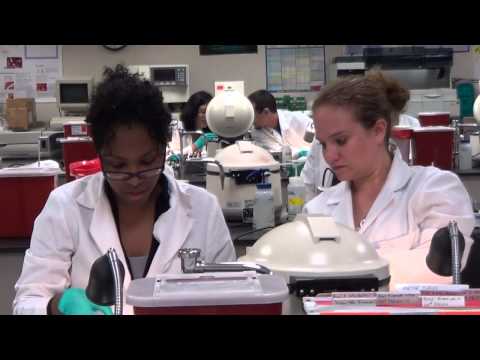
You know when you go to the doctor and they poke you with needles? Yeah, that’s the part we all kinda dread. But what if I told you those little vials of blood hold secrets to how we feel?
That’s where medical lab science comes into play! It’s like being a detective, but instead of solving crimes, you’re figuring out what’s going on inside people’s bodies. Crazy, right?
People often don’t realize just how much lab techs do behind the scenes. They’re like the unsung heroes of healthcare. While doctors are busy with stethoscopes and patients, lab scientists are digging deep into tests and samples.
And honestly, there’s something super cool about being able to make an impact without being in the spotlight. So let me share a bit about these amazing programs that train folks for this vital role in healthcare!
Exploring Career Advancement Opportunities for Medical Laboratory Scientists in the Science Field
Exploring career advancement opportunities as a medical laboratory scientist can be super exciting! You know, the field is growing and evolving all the time. If you’re in this line of work or thinking about it, you might wonder what paths could open up for you down the road.
First off, let’s talk about education. Many medical lab scientists start with a bachelor’s degree in medical laboratory science or something similar. This foundation sets the stage, but continuing your education can really pay off. For instance, pursuing a master’s degree can help you move into leadership or specialized roles.
Certifications are another great way to boost your career. There’s a bunch of them out there! Getting certified by organizations like the American Society for Clinical Pathology (ASCP) can show employers that you’re dedicated and knowledgeable. Specializing in areas like microbiology or blood banking through additional certifications can also set you apart. Employers love seeing that dedication!
Networking plays a big role too. Joining professional organizations lets you connect with other professionals, share knowledge, and even learn about job openings before they hit the mainstream market. Plus, conferences are a great place to meet people and find mentors who can guide you along your journey.
Let’s not forget about leadership opportunities. After gaining experience, many lab scientists find themselves stepping into supervisory roles or even managing entire laboratories! This transition often comes with more responsibilities but also more impact on patient care.
You might also consider teaching or training new lab techs. It feels fulfilling to pass on your knowledge and skills, right? Teaching at community colleges or universities could open doors for setting up programs that inspire fresh talent in the field.
And hey, if you’re feeling ambitious, there’s always research! Working in clinical trials or even contributing to scientific studies means you’re on the front lines of discovery which is pretty thrilling! It allows you to mix practical lab skills with problem-solving in real-world healthcare challenges.
In addition to all this, don’t overlook job diversification. Explorative roles like quality control managers or compliance officers focus on ensuring labs meet regulations and standards—quite crucial as patient safety is always top priority.
Lastly, remember that being versatile is key these days. The health landscape shifts constantly—think telemedicine—and being adaptable means you’re always ready for what comes next!
So yeah, whether it’s furthering your education, grabbing certifications, networking with professionals, taking leadership positions, teaching others or jumping into research—there are plenty of exciting avenues available for growth as a medical laboratory scientist! Keep learning and exploring; the future’s looking bright!
Exploring Recent Advances in Medical Laboratory Technology: Innovations Shaping the Future of Science
Looking at advancements in medical laboratory technology is like stepping into a sci-fi movie. You know, the kind where everything seems impossible until it suddenly isn’t? Well, that’s how it feels right now in laboratories across the globe. Let’s dig into a few of these exciting innovations that are reshaping healthcare.
Rapid Testing is one of the major breakthroughs. Traditional lab tests could take hours or even days for results—imagine waiting days to find out if you had strep throat! But now, you can get results sometimes in under an hour thanks to point-of-care testing devices. They use clever technologies like microfluidics, which manipulate tiny amounts of fluids. This is super cool because it allows for quicker decisions about your treatment. Like, if you’re not feeling great, who wants to wait forever to figure out what’s going on?
Then there’s Automation. You might picture robots taking over, and while that’s partially accurate, it’s not as sci-fi as it sounds! Automation helps labs with repetitive tasks like sample analysis or sorting specimens. This has really increased efficiency and reduced human error. Imagine robots working tirelessly while scientists can focus on more complex problems—like puzzling out new treatments!
Another fascinating area is Genomics. Thanks to advancements like CRISPR and next-generation sequencing (NGS), we’re not just talking about analyzing DNA anymore; we’re modifying it! This allows us to understand genetic diseases better and even develop personalized medicine tailored specifically for you based on your genetic makeup. It’s like having a customized treatment plan instead of using a one-size-fits-all approach, which could be way less effective.
There are also exciting developments in Telemedicine. While this isn’t strictly lab technology, the connection is strong! Labs are developing ways to send test results securely over the internet so healthcare providers can give feedback faster. Think about chatting with your doctor online about your lab results without having to visit their office first—pretty nifty!
Let’s not forget about Artificial Intelligence (AI). AI is revolutionizing how we interpret data from lab tests. Algorithms can sift through massive amounts of data much faster than humans ever could, identifying patterns that help diagnose diseases earlier and track outbreaks before they become major issues.
And then there’s Biobanking, which involves collecting and storing biological samples for research purposes. These biobanks provide invaluable resources for studying diseases and developing new therapies. Imagine being able to look back decades into collected samples and see how diseases evolved or responded to treatments over time.
So yeah, these innovations aren’t just fancy tech; they’re literally shaping the future of healthcare! It’s all about making medical processes faster and more accurate while opening doors for new kinds of research that couldn’t have been done before.
In short, medical laboratory technology is advancing at such a pace that our understanding of health and disease is changing almost daily. Who knows what will be next? It’s an incredibly exciting time in science!
Transforming Healthcare: The Impact of Medical Lab Science Programs in California
Transforming Healthcare in California is a big deal, and one of the driving forces behind this transformation is medical lab science. So, what’s the scoop on medical lab science programs? Well, they’re basically the unsung heroes of the healthcare system. They handle all those tests and analyses that help diagnose diseases, monitor health conditions, and even save lives.
First off, let’s talk about what medical lab scientists do. These folks work behind the scenes in labs, using high-tech equipment to analyze blood samples, tissues, and other bodily fluids. They’re the ones that make sure doctors get accurate test results. Without them? Things could get pretty messy! Imagine facing a critical health issue and not knowing what’s going on because of a faulty test result. Not cool.
Another crucial aspect is the role of training programs. In California, there are many medical lab science programs aimed at preparing students for these essential jobs. These programs teach everything from basic lab techniques to advanced analytical skills. It’s like boot camp for healthcare heroes! Students get to learn about laboratory safety, quality control, and even how to use state-of-the-art diagnostic tools.
And here’s a little nugget for you: having qualified professionals in labs leads to better patient outcomes. When lab scientists are well-trained and knowledgeable about current technologies and methods, they can detect issues much earlier. Think of it like catching a cold before it blossoms into something worse; early detection can make all the difference.
Collaboration with healthcare teams is also super important. Lab scientists don’t just work in isolation; they interact with doctors, nurses, and other healthcare professionals regularly. This teamwork ensures that everyone stays on the same page regarding patient care. It allows for comprehensive treatment plans where everyone knows exactly what’s happening with each individual patient.
California has been stepping up its game by investing in these training programs. More schools are offering degrees specifically focused on medical laboratory science or including it as part of their healthcare curriculum. As demand grows for healthcare services—especially with an aging population—so does the need for skilled lab professionals.
You know how we often hear about “data-driven decisions” when it comes to improving businesses? Well, it applies here too! The findings from laboratory tests can inform treatment decisions directly impacting patients’ lives. Accurate data from well-trained lab professionals means more effective treatments and fewer misdiagnoses.
But hey! It doesn’t stop there—there’s also an emphasis on research opportunities. Many medical lab science students get involved in cutting-edge research projects during their studies or right after graduation. This isn’t just fantastic for their resumes; it pushes the boundaries of what’s possible in diagnostics or treatment strategies!
In summary, think about medical lab science programs in California as paving the way not only for careers but also for better health outcomes across communities. It’s all interconnected: trained personnel lead to accurate testing which leads to proper diagnosis—and ultimately healthier lives.
So next time you hear someone mention “medical labs,” just remember: there’s a whole world behind those doors making sure you get top-notch healthcare when you need it most!
You know, I was thinking about how, like, the world of healthcare is always changing and getting better. It’s wild to consider the role medical lab science plays in that evolution. Seriously, think about the last time you had a blood test or some other lab work done. That little vial they took from you holds a treasure trove of information! It’s not just some random procedure; it’s actually where a lot of the magic happens.
When I look at all those dedicated folks in lab coats, working tirelessly behind the scenes, I’m reminded of a friend who went through a medical lab science program. She was super passionate about making sure people got the right diagnosis. I mean, she would talk for ages about how each test could literally save lives or lead to better treatment plans. It struck me just how vital this field is.
And here’s the thing: medical lab scientists are like detectives in healthcare. They dig into samples and run tests to figure out what’s going on inside your body. These programs are all about teaching students to use technology and critical thinking skills to analyze results accurately. Every time they spot something odd in a sample, they might be catching an illness early—like that moment when you realize something’s off and rush to get help. Crazy important stuff!
But it isn’t just about being good at science math or techy gadgets; it’s also about understanding people’s lives. Like, every report coming out of those labs can affect someone’s health journey—whether they’re dealing with diabetes or something way more serious like cancer. That connection really adds another layer of depth to their work.
So when we invest in medical lab science programs, we’re essentially investing in future healthcare advancements! We’re talking better diagnoses which means better treatments and, ultimately, happier patients getting back to their lives sooner rather than later. Just imagine being able to detect diseases before they even show symptoms—wow!
In conclusion (oops! could’ve picked another word), it all comes down to this: as we embrace new tech and knowledge in medical labs, we’re taking big strides towards a healthier tomorrow for everyone around us. And honestly? That gives me hope!