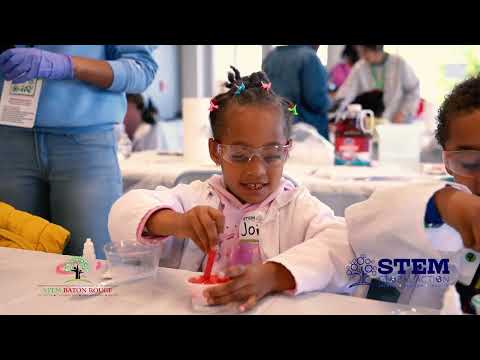
So, picture this: You’re in a chemistry lab, surrounded by beakers and test tubes. Suddenly, someone drops a container of baking soda into vinegar. Boom! Instant volcano! Seriously, who doesn’t love a cool fizzing reaction?
That’s the beauty of chemistry—it’s messy, it’s fun, and it makes you go “Whoa!” every time.
But here’s the thing: getting kids excited about chemistry doesn’t just happen by accident. It takes some creativity and a sprinkle of that “let’s do science!” energy.
Imagine how awesome it would be if kids could see just how powerful and fun science can be in their own lives. You know? Just think about all those moments when they light up with curiosity—it’s magic!
Engaging Chemistry: Creative Strategies for Fun and Effective Teaching in Science
Engaging young minds in the chemistry lab can sometimes feel like a juggling act. You want to keep things exciting while making sure the kids are actually learning something. The thing is, chemistry can be super fun if you use the right strategies!
Start with Hands-On Activities. Seriously, nothing captures attention like getting your hands dirty. Imagine a simple reaction between baking soda and vinegar. Kids watch in awe as it foams up! This kind of interactive experiment makes them feel like little scientists. The reactions that happen are tangible, and they really get to see science in action.
Create Chemistry Challenges. Gamifying learning can really spice things up! You could set up mini-competitions where students work in teams to solve problems or create specific reactions. For example, give them a set of materials and challenge them to create the biggest balloon using only vinegar and baking soda. They’ll be so focused on winning that they won’t even realize they’re absorbing complex chemical concepts.
Incorporate Storytelling. Ever noticed how a good story hooks you? Use this to your advantage! Connect chemistry concepts with interesting tales—like how alchemists tried turning lead into gold or how certain elements have unique histories. Sharing these stories can make elements feel more human, almost like characters in a novel.
Utilize Visual Aids. Sometimes seeing is believing! Colorful charts, diagrams, or even videos showing reactions can clarify complex ideas. For instance, showing the periodic table with vivid colors around different groups helps kids visualize relationships between elements easily.
Bring Real-Life Examples. Chemistry is everywhere! Discussing everyday products—like soap mixing with oil—can spark curiosity about why certain things happen in nature. It grounds abstract concepts into something relatable.
Encourage Questions. Create an open environment where asking “why?” is celebrated rather than frowned upon. Let’s face it: kids are naturally curious! Embracing their inquiries not only builds their confidence but also helps deepen their understanding of scientific processes.
It’s all about connecting with them on their level. Remember when you were curious about something? Use that energy! Everyone has little moments of awe associated with science; tap into those memories!
Finally, don’t forget to have fun yourself. If you’re excited about chemistry, it’s infectious! The joy of scientific discovery radiates outwards; if they see your enthusiasm, they’re more likely to catch that spark too.
In summary, engaging young minds in chemistry isn’t just about teaching facts—it’s about creating an experience that’s lively and full of wonder. By combining hands-on activities, storytelling, visual aids, real-world connections, and fostering curiosity, you can transform the chemistry lab into a place of inspiration and excitement!
Effective Strategies for Engaging Students in Chemistry: Inspiring a Passion for Science
When it comes to chemistry, getting students to engage isn’t just about hitting the books. It’s about sparking a little something in them, you know? Here’s how we can go about inspiring their passion for this super cool science.
- Hands-on experiments: There’s something magical about getting your hands dirty, right? When students actually mix chemicals or create reactions themselves, they remember it better. Like, think of the classic baking soda and vinegar volcano. It’s messy and fun—plus, it introduces them to acid-base reactions.
- Real-world connections: Chemistry is everywhere! Seriously! When you show students how chemistry relates to everyday life—like cooking or even cleaning their room—they start seeing it in a new light. Remember that time you tried to explain why soap works better on dirty dishes? That’s chemistry in action!
- Inquiry-based learning: This method encourages students to ask questions and seek answers rather than just memorize facts. You could present them with a puzzling question like, “What makes bread rise?” and watch them dive into research and experimentation. It’s like being detectives but with science!
- Collaborative projects: Group work often leads to some cool dynamics. Get students working together on a project where they need each other’s input, like creating an eco-friendly product using chemical principles. You’d be amazed at what they come up with when they brainstorm as a team.
- Chemistry role models: Sometimes all it takes is for a student to meet someone they admire in the field of chemistry. Invite guest speakers who work as chemists or are involved in exciting projects—their stories might just ignite that spark of interest!
- Use of technology: Who doesn’t love gadgets? Incorporating apps or virtual lab simulations can be super engaging for tech-savvy kids. They get to experiment digitally before moving on to actual experiments—so cool!
This whole teaching vibe should be dynamic and adaptable too! If something doesn’t click with your class, don’t be afraid to switch things up until you find what makes their eyes light up.
You know what? Sometimes all it takes is one moment—a student asking an unexpected question or making a wild connection—to truly inspire passion for chemistry. And honestly, that’s pretty magical.
Engaging Strategies to Make Chemistry More Fun for Students and Educators
So, let’s talk about how to make chemistry a bit more exciting for students and teachers. I mean, chemistry can sometimes feel like a huge wall of formulas and theories, right? But with the right strategies, it can transform into this amazing adventure where you get to explore the world around you.
First off, hands-on experiments are like the golden ticket in learning. You know how much fun it is to get your hands dirty? When students actually mix chemicals or create reactions, they see science in action. For instance, doing safe experiments with household items can spark that curiosity. Imagine creating a simple volcano using baking soda and vinegar. Watching that fizz erupt is way cooler than just reading about chemical reactions in a textbook.
Then there’s storytelling. Seriously! Everyone loves a good story. When you wrap up a lesson around a narrative—like how someone discovered a groundbreaking chemical process—it grabs attention. You could share tales of famous chemists like Marie Curie or Robert H. Grubbs and their fascinating journeys through the science world. This adds context to what might otherwise just be names on pages.
And hey, why not throw in some games? Games make learning feel less like work and more like playtime! Think of quizzes styled as competitive challenges where students can earn points for correct answers or participate in team-based activities that delve into chemistry concepts through problem-solving scenarios.
Another engaging strategy is using technology. Tools like simulations or interactive apps can illustrate complex ideas visually. For example, using molecular modeling software allows students to visualize 3D structures of molecules they’re studying—much more captivating than just looking at static images!
Let’s not forget about real-world connections either; linking lessons to everyday life makes everything relatable! When students understand how chemistry applies to what they eat, drink, or even clean with at home, it resonates much deeper. Are we talking about discussing acids and bases through cooking? Absolutely!
Collaborative projects also help build enthusiasm among peers while promoting teamwork skills. Creating group assignments where they design eco-friendly products or explore green chemistry can make them feel part of something bigger.
Lastly, encouragement from educators plays such an important role—showing passion for the subject can be contagious! When students see their teachers genuinely excited about chemistry experiments or concepts, they tend to catch that excitement too.
So there you have it—a bunch of cool strategies to breathe life into chemistry lessons! If we blend these together—hands-on experiments, storytelling vibes, playful games, tech tools, real-life links, collaborative efforts—you’ll create an atmosphere that’s not just educational but genuinely fun too! It’s all about finding ways to connect with those young minds and making science feel alive!
You know, when I think about getting young minds into a chemistry lab, it really warms my heart. I remember the first time I mixed baking soda with vinegar. That fizzing explosion? Pure magic! It’s moments like those that connect kids to the wonder of science.
What’s so cool about chemistry is that it’s all around us. Seriously! From the food we eat to the air we breathe, chemistry is everywhere. When kids step into a lab, they’re not just learning formulas and compounds; they’re getting hands-on experience with the building blocks of life. It’s like giving them keys to unlock mysteries they never even knew existed.
But here’s the thing—making it engaging takes some creativity. Sure, you can show them how to follow procedures and measure stuff out, but mixing in a bit of storytelling can really spark their curiosity. If you tell them why they’re doing what they’re doing—like how that colorful reaction relates to real-world products—it takes on a whole new meaning for them.
I remember hearing about this teacher who turned her lab into a mini cooking show. She had her students create “potions” (which were actually just chemical reactions) but framed it in an adventurous way, like they were wizards or alchemists on a quest! The kids were totally invested and engaged; they were learning without even realizing it!
And let’s not forget about safety; that’s key! Teaching young ones about proper lab practices is crucial because it builds trust in their abilities and respect for science. Plus, when you give them ownership of their experiments—letting them brainstorm ideas or design their own tests—they get super excited! You see their eyes light up as if they’ve just uncovered hidden treasure.
Of course, there will be times when things go wrong—experiments will fail or things won’t react as expected—and that can feel disheartening. But failures are opportunities too! They offer lessons about persistence and critical thinking skills.
Really, engaging young minds in chemistry isn’t just about throwing them into formulas and elements; it’s about creating an environment where wonder thrives and curiosity is celebrated. If we can inspire just one enthusiastic scientist today… who knows what the future holds? Chemistry might just change everything for someone out there!