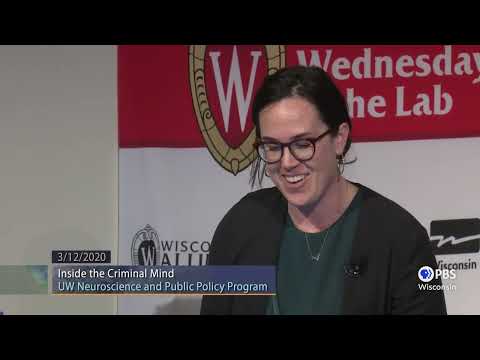
So, check this out. Did you know that some people think they can totally understand a criminal’s mind just by peeking into their childhood? Wild, right? It’s like, they’re giving a mini therapy session before they even meet the person!
You know those crime shows where they try to get into the heads of serial killers? It’s both creepy and super fascinating. Like, how do we even try to figure out what makes someone tick when their actions are so far off the charts?
I remember binge-watching one of those shows late at night, making me question every weird thought I ever had. Seriously, it’s like an entire universe of darkness that somehow pulls you in while also making you want to keep your doors locked.
The thing is, understanding criminal behavior isn’t just for show writers or detectives. There’s real science behind it! So let’s chat about what makes these minds work—or not work, as the case may be. You with me?
Exploring the Psychology Behind Criminal Minds: A Scientific Analysis of Behavioral Profiling
When we talk about the psychology behind criminal minds, it’s like peeling an onion. There are so many layers to consider! You see, understanding criminal behavior isn’t just about looking at what someone did; it’s about digging into the why. Why do some individuals commit heinous acts? What drives them? Let’s break this down.
Behavioral profiling is a fascinating tool used by law enforcement to help catch criminals by analyzing their behavior and patterns. Basically, profilers look for clues in the crime itself and try to build a picture of who the perpetrator might be. This can involve everything from their social background to their psychological state.
- Mental Illness: A significant number of criminals suffer from mental health issues. Conditions like sociopathy or psychopathy can lead individuals to display a complete lack of empathy. Imagine growing up without any emotional connection to others; that’s how some might experience life.
- Childhood Experiences: Issues during childhood—like trauma or neglect—can heavily influence adult behavior. There are countless stories of people who faced violence or abuse as kids and later engaged in criminal activities themselves. It’s heartbreaking yet helps us understand the cycle of violence.
- The Role of Environment: A person’s surroundings play an enormous part too! Growing up in a crime-ridden neighborhood can normalize antisocial behavior, making it seem like that’s just how life is. I mean, if you’ve seen nothing but bad choices around you, what example do you have?
- Cognitive Distortions: Some people have distorted thinking patterns that rationalize harmful actions. They may see themselves as victims or believe they’re entitled to something because they’ve been wronged in the past. That sort of mindset can lead them down dark paths.
- Social Factors: Peer influence is another biggie! Sometimes, individuals get involved in crime due to pressure from peers or the desire for acceptance within a group. It’s almost like thinking “if everyone else is doing it, why shouldn’t I?”
You know what really gets me? The idea that many criminals might not even see themselves as bad people! Sometimes they perceive their actions as justified based on their circumstances. For instance, think of someone who commits theft out of desperation—maybe they’re trying to feed their family.
Now, let’s talk about why this matters for law enforcement and society. By understanding these psychological aspects, we can create better prevention strategies and rehabilitation programs rather than just punishment alone.
If we had more focus on mental health support and community resources, perhaps we’d see fewer people turning to crime out of desperation or need for connection. Just imagine if we could catch those signs early on!
The bottom line? It’s all about combining psychology with investigative techniques to form effective responses to crime. We owe it to ourselves as a society to understand these complexities—and honestly, it’s pretty essential if we want lasting change!
Understanding the Science of Criminal Behavior: Insights from Psychology, Sociology, and Neuroscience
Alright, let’s chat about criminal behavior and the science that tries to decode it. It’s not as simple as just saying someone is “bad” or “evil.” There’s a whole mix of psychology, sociology, and neuroscience that comes into play.
Psychology plays a huge role here. It examines how individual thoughts, feelings, and behaviors influence a person’s actions. Think about those classic crime dramas where they analyze the killer’s childhood. Often, mental health issues like personality disorders or trauma from early experiences are highlighted. For instance, someone who grew up in a violent home might see aggression as their go-to response later in life.
Moving on to sociology, this field looks at how society influences behavior. Social structures can heavily impact why someone commits a crime. You know how some neighborhoods have higher crime rates? Well, factors like poverty, lack of education, and social disintegration all contribute to this environment. Imagine growing up where crime is normal—it can shape your views on what’s acceptable.
Then there’s neuroscience. This one gets super interesting because it delves into the brain itself! The brain structures related to impulse control and decision-making are often under scrutiny here. For example, research has shown that offenders may have differences in their brain activity compared to non-offenders. A study might reveal that certain areas aren’t firing as they should when it comes to empathy or remorse.
So basically, we’re looking at a combination of personal history, social context, and brain function all playing their parts in criminal behavior.
- Witnessing violence: A person raised around violence might mimic that behavior later on.
- Poverty: Growing up poor can leave people feeling hopeless and more likely to commit crimes for survival.
- Biosocial factors: Genetics can also play into this; some studies suggest there are hereditary tendencies toward certain behaviors.
You might be thinking: “Okay, so how does this all come together?” Well, it’s like putting together a jigsaw puzzle—there’s no single piece that shows the whole picture. It’s the interplay between these fields that helps us get closer to understanding what drives criminal minds.
This isn’t just academic stuff either; real-world applications are crucial! From developed prevention programs based on sociological insights to therapeutic interventions designed through psychological understanding—these insights really matter!
The thing is: understanding criminal behavior isn’t about excusing it but rather figuring out ways to prevent it or help those who might be at risk of going down that path. With every step forward in research, we get closer to unraveling these complex human behaviors.
This journey through the realms of psychology, sociology, and neuroscience gives us tools for fostering safer communities and hopefully steering individuals away from crime altogether.
Exploring the Biological Foundations of Criminal Behavior: Insights from the Science of Genetics and Neuroscience
Alright, let’s talk about the biological foundations of criminal behavior. It’s a pretty intriguing topic that dives into how our genes and brain might shape the way people act, especially when it comes to doing something illegal or harmful.
First off, genetics plays a significant role in how we behave. Imagine your DNA as a blueprint for building you. Some studies suggest that certain genetic variations can predispose individuals to impulsive behavior or aggression. For example, researchers have looked at specific genes like MAOA, which is sometimes nicknamed the “warrior gene.” This gene affects serotonin levels in the brain and has been linked to aggressive behavior.
- The thing is, having this gene doesn’t mean someone will become a criminal; it just raises their risk slightly.
- You could think of it as having a slightly higher chance of rolling a six on dice—possible but not guaranteed.
Then there’s neuroscience. This is all about how our brain works and how that relates to behavior. Certain areas of your brain, like the prefrontal cortex, help control impulses and make decisions. If someone has damage or less activity in this area, they might struggle with self-control. It’s like trying to steer a car without proper brakes—it can get messy!
Another interesting piece of the puzzle includes the amygdala, which plays a role in processing emotions like fear and pleasure. Some research suggests that individuals with an overactive amygdala might react more aggressively or impulsively when faced with emotional situations.
- This emotional response can lead to risky behaviors that might lean toward criminal activities.
- It’s not just about emotions though; social environment also matters! Kids growing up in tough neighborhoods may face challenges that influence their behavior too.
You also have to consider epigenetics. This field studies how environmental factors can change gene expression without altering the DNA sequence itself. So, if someone grows up in a stressful environment or experiences trauma, those factors could affect their biology and potentially lead them down paths that involve crime.
A little while back, I read about a case study involving identical twins who were separated at birth but grew up under totally different conditions. One became quite successful while the other got involved with crime. It really showed how nature and nurture blend together in complex ways!
Your upbringing matters—a lot! So when we talk about criminal behavior being rooted in biology, it’s crucial to remember that genetics doesn’t act alone; environmental factors play a key role too.
- If we ignore one aspect for another, we miss out on understanding human behavior as a whole.
- The conversation should include mental health as well—because many people facing mental challenges might find themselves making choices they wouldn’t normally make if they were feeling balanced.
This mix of genetics, neurology, and environment gives us valuable insights into why some people may commit crimes while others do not—even if they share some biological similarities!
So next time you come across discussions about crime rates or criminal minds, remember: it’s not just about bad choices; there are biological threads woven through these patterns too. And understanding those threads helps us see the bigger picture!
You know, when we think about criminal minds, it’s just mind-blowing how complex and puzzling human behavior can be. I mean, take a moment and consider it. Do you ever wonder what drives someone to do something so out of the ordinary, like commit a crime? It’s like peeling back layers of an onion; you keep discovering more and more, sometimes even things you didn’t expect.
I remember reading a story about a notorious criminal who had everything going for him—intelligence, charm, and all that jazz—yet he chose a life of crime. It made me reflect on how our upbringing and environment shape who we are. This guy grew up in a rough neighborhood where survival meant learning to navigate dangerous situations. Yet at the same time, it’s not just about where we come from; biology plays a role too. The brain’s chemistry can affect emotions and decision-making, which is wild to think about!
When scientists study these behaviors, they often look at factors like genetics and brain structure. For instance, did you know that some studies suggest that people with certain genetic markers might have an increased likelihood of developing antisocial behaviors? It’s sort of like having an extra piece in a puzzle that doesn’t quite fit with the rest.
And then there are psychological factors too. You’ve got this whole framework called the “triarchic model” of psychopathy—it splits psychopathic traits into three parts: boldness, meanness, and disinhibition. Boldness is all about fearlessness; meanness connects to lack of empathy; disinhibition touches on impulsivity. When these traits blend together in varying degrees? Well, you get some pretty unpredictable behaviors.
But here’s the kicker: not everyone with those traits will end up being a criminal! That’s what makes studying human behavior both fascinating and frustrating at the same time. There are tons of people living with challenging backgrounds or psychological struggles who never cross that line into crime.
In the end, our understanding is still evolving. The science behind criminal behavior is as messy as life itself—you’ve got your genes battling your environment under the watchful eye of your brain chemistry! So when you see someone acting out or making poor choices, just remember: there’s often much more going on beneath the surface than meets the eye. It’s like trying to read an entire book by peeking at just one page—it takes time to unravel those intricacies!