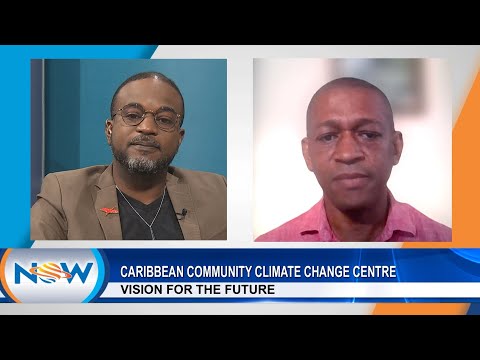
So, you know how sometimes you feel like the weather is just messing with your plans? Like, one minute it’s sunny, and the next it’s pouring rain? Well, that’s kinda what climate change is doing to the Caribbean. It’s throwing everyone for a loop!
Imagine sitting on a beach sipping coconut water, and suddenly, a crazy storm rolls in. Yikes! The Caribbean Community Climate Change Centre is right there in the middle of this mess. They’re not just about doom and gloom; they’re diving deep into research while trying to keep folks informed about what’s happening with our climate.
But it’s not all serious business. Think of it like a group of friends getting together to solve a puzzle—only this puzzle could change how we live, work, and enjoy life in paradise. They’re all about outreach too! So if you’re curious about what’s cooking (or flooding!) in terms of climate science, keep reading! You might just learn something that’ll make you look like the smartest one at the beach BBQ!
Evaluating the Caribbean Community Climate Change Centre: Insights from Scientific Outreach and Impact Reviews
The Caribbean Community Climate Change Centre, or CCCCC, has been a pivotal player in tackling climate change issues across the Caribbean. It’s not just about policies and reports though; they also focus heavily on scientific outreach. This means they’re working to ensure that the community understands the science behind climate change and its impacts.
So, here’s how they do it:
- Education Programs: They organize workshops and training sessions. These help local communities grasp complex climate concepts. Imagine trying to explain rising sea levels or hurricane intensification to someone who might not have a science background—it’s vital that these concepts are broken down into everyday language!
- Community Engagement: The CCCCC invites input from locals. Listening to their experiences can guide the research and policy-making process. You’ve got people living these realities daily, so their insights are gold.
- Partnerships with Schools: Collaborating with educational institutions is key. They take climate science into classrooms so students can learn about it early on. It’s like planting seeds of knowledge for future generations.
- Online Resources: The center has developed a range of easy-to-access online materials. These cover everything from weather patterns to sustainable practices, making information accessible regardless of where someone lives.
A good example of their impact is seen after hurricanes hit certain islands. Communities have had immediate resources available post-storm: things like emergency tips based on scientific data. When people have access to clear and actionable information after a disaster, recovery becomes less daunting.
Another fascinating aspect is their collaboration with various organizations both regionally and internationally. This creates a network of knowledge sharing that benefits everyone involved—you know? Scientists provide data; communities give feedback based on daily life.
One emotional encounter I remember involved a small coastal village that was facing erosion due to rising waters—something they’d never dealt with before! The center stepped in not only with technical advice but also by hosting community meetings where residents could express fears and share experiences openly. That connection—between scientists and everyday folks—is what makes outreach effective because it fosters trust.
In essence, evaluating the CCCCC really shows how crucial scientific outreach is in addressing climate challenges in the Caribbean. It’s about making sure no one feels left out of these important conversations! And when you think about it, if everyone understands what climate change means for them personally, we can all find better ways to adapt together.
Exploring Career Opportunities in Climate Science at the Caribbean Community Climate Change Centre
The Caribbean is seriously feeling the heat regarding climate change. Sea levels are rising, hurricanes are getting stronger, and the ecosystems we love are under threat. That’s where climate science comes in. If you’re thinking about a career in this field, you’re not alone! The Caribbean Community Climate Change Centre (CCCCC) offers some fascinating opportunities to make a real difference.
What is the Caribbean Community Climate Change Centre?
Basically, it’s an organization based in Belize that focuses on addressing climate change impacts across the Caribbean. They work with governments, NGOs, and communities to create effective strategies for mitigation and adaptation. So, they aren’t just sitting around; they’re actively seeking solutions!
Now, let’s talk about career opportunities. If you’re looking into climate science, here are some paths that might be open to you:
- Research Scientist: These folks dive deep into understanding climate systems. You might collect data or analyze weather patterns.
- Policy Analyst: If you’re good with words and numbers, this role involves creating reports that help shape government policies on environmental issues.
- Ecosystem Specialist: Do you love nature? This position focuses on protecting biodiversity and ensuring ecosystems remain healthy.
- Community Outreach Coordinator: Communication skills are key here! You’d help raise awareness about climate change impacts and engage with local populations.
A little anecdote: I remember volunteering at a coastal cleanup event one summer. We had school kids helping us sort plastic from sand. They were shocked to see how much garbage washed up on our beaches! That really opened their eyes to climate issues and made me realize how crucial outreach is. Helping people understand what’s going on can spark real change.
Now, don’t think these roles require being a super-genius with a PhD right away! The CCCCC values various educational backgrounds. You could come from fields like environmental science, geography, engineering, or even social sciences. It’s all about passion for making the world better.
Skills Matter!
Here’s what the CCCCC often looks for in candidates:
- Critical Thinking: This helps when approaching complex problems related to climate impacts.
- Communication: Whether it’s writing reports or presenting findings, being able to share information clearly is huge.
- Cultural Awareness: Understanding local communities is key when implementing projects effectively.
You know what else? Networking can be super important in this field! Connecting with professionals through internships or conferences can open doors you didn’t even know existed.
In summary, if you’re considering a career in climate science at the Caribbean Community Climate Change Centre—or anywhere else—there’s plenty of room for passionate individuals ready to tackle stubborn challenges head-on. It’s not just about having fancy degrees; it’s about caring enough to dive into the issue and take action! Who knows? Your work could truly change lives across our beautiful Caribbean islands.
Understanding CCCCC Climate Change: Scientific Insights and Impacts on Our Planet
Climate change is a big deal, huh? It’s like the ultimate plot twist in the story of our Earth. So, let’s talk about it, especially in relation to the Caribbean. The Caribbean Community Climate Change Centre is working to understand how climate change affects this vibrant region. Now, let’s break it down into some key insights.
1. What is Climate Change?
So basically, climate change refers to long-term shifts in temperatures and weather patterns. Think of it as the planet’s mood swings but on a massive scale. Human activities, mostly burning fossil fuels and deforestation, are cranking up greenhouse gases in the atmosphere—stuff like carbon dioxide and methane. They trap heat from the sun, leading to a warmer Earth.
2. The Caribbean’s Unique Challenges
In the Caribbean, climate change hits different than other places because of its geography and economy. Rising sea levels pose an enormous threat as they can lead to flooding in coastal communities (and guess what? Many islands are just a few feet above sea level!). Extreme weather events like hurricanes are becoming more frequent and intense too. Remember Hurricane Maria? It devastated Puerto Rico back in 2017.
3. Effects on Biodiversity
The Caribbean is home to an amazing array of plants and animals, many found nowhere else on Earth! But rising temperatures and changing ocean conditions make survival tough for many species. Coral reefs, for example, are super sensitive to temperature changes; they bleach when waters get too warm which breaks down entire ecosystems that rely on them.
4. Food Security Concerns
Agriculture is vital for food security in the region but it’s under threat from climate change as well. Increased rainfall can lead to flooding which damages crops while prolonged droughts can dry them up completely! Farmers must adapt by altering planting schedules or choosing more resilient crops—kind of like adjusting your game plan mid-match.
5. Community Action and Awareness
Now here’s where it gets hopeful! Communities across the Caribbean are stepping up their game to tackle these challenges head-on! Local organizations are partnering with scientific bodies for outreach programs aimed at raising awareness about climate impacts and adaptive strategies. It’s all about sharing knowledge so folks know what’s happening—it’s teamwork all around!
In summary, climate change isn’t just an environmental issue; it shapes lives, economies, and ecosystems across the globe—especially in places like the Caribbean where people face unique hurdles every day due to this warming world we live in.. It’s crucial that we keep talking about it because understanding these changes brings us one step closer to finding solutions together—you with me?
So, let’s chat about climate change, especially in a place like the Caribbean. You might think it’s just palm trees and sunny beaches, but these islands face some serious environmental challenges. The Caribbean Community Climate Change Centre (CCCCC) is kind of like the superhero in this narrative. They’re all about tackling climate issues and helping communities adapt.
I remember a trip I took to Jamaica a while back. I was hanging out with some locals who were talking about how rising sea levels were starting to creep onto their beach. It was eye-opening. They shared stories of how families had to move away from their homes because of flooding, and it really hit me—climate change isn’t just some far-off problem; it’s here and it’s affecting real people.
Anyway, CCCCC plays a crucial role in getting the word out there and making science accessible to everyone. They work on research, yes, but it’s not just about data crunching in labs—they’re all about communication too! Think workshops for local communities or educational programs that break down complex topics into bite-sized pieces you can actually understand.
It’s interesting how they blend science with outreach to make sure folks know what’s happening and what they can do about it. Many times people feel disconnected from science, you know? But when organizations like CCCCC step in and show how climate change affects daily life—from agriculture to tourism—people start paying attention.
They also provide tools for decision-makers so that they can create policies that genuinely help communities adapt to changing conditions. It’s like giving someone the right map before embarking on a road trip; without it, you might just get lost!
The thing is, collaboration is key here. By working with local governments, international agencies, and even schools, CCCCC helps ensure that everyone is on the same page regarding climate strategies. That kind of teamwork can really amplify impact.
In the end, scientific outreach isn’t just about throwing facts at people; it’s about building connections. It reminds me of those evenings spent around a fire listening to stories passed down through generations—simple yet profound ways of sharing knowledge that bring us together.
So yeah, when we think about things like climate change in the Caribbean—it’s not just an environmental issue; it’s also social justice at play. We all have our part to play in this story as we navigate through these changes together.