You know that moment when you’re out for a stroll, soaking in the fresh air, and suddenly—bam! You trip over a plastic bottle? Yeah, I’ve been there. It’s like nature’s way of reminding us that we’ve left a bit of our junk everywhere.
Plastic is everywhere. It’s in the oceans, on the streets, and even in what we eat. Crazy, right? One day you’re sipping from a straw, and the next you might find tiny bits of plastic in your fish dinner. It sounds like something out of a sci-fi movie.
But here’s the kicker: plastic pollution isn’t just an eyesore; it messes with our planet’s health in some pretty gnarly ways. I mean, who knew your old shopping bag could have such an impact?
So let’s chat about what’s really going on with plastic and why it matters—like, to all of us!
The Impact of Plastic Pollution on Planetary Health: An In-Depth Analysis
Plastic pollution is a real bummer for our planet’s health. You know, it’s everywhere—oceans, rivers, forests—just chilling in the most unexpected places. And yet, we keep cranking out plastic like it’s going out of style. But what does that mean for the Earth? Let’s break it down.
First off, plastic takes forever to decompose. For instance, a plastic bottle can linger around for about 450 years. Can you imagine? That’s like if you bought a soda when Shakespeare was alive and then it just… never went away. Instead of breaking down into harmless materials, plastics eventually break into tiny pieces called microplastics.
These microplastics are like little time bombs. They’re so small that they can sneak into our food and water supplies without us even knowing. Scientists have found these particles in everything from ocean fish to table salt. Seriously! It’s kind of gross when you think about it.
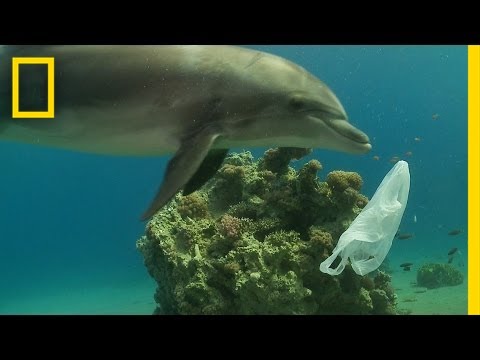
But the issue doesn’t stop there; plastic pollution affects wildlife dramatically. Animals often mistake plastic for food. Sea turtles can choke on plastic bags because they look like jellyfish, their favorite snack! Birds ingest bits of plastic thinking they’re seeds or insects, leading to starvation as their bellies fill with non-nutritious materials.
The ripple effects on ecosystems are also gnarly. When large amounts of plastic accumulate in oceans, it can create floating islands called gyres. These areas become inhospitable for marine life and interfere with natural habitats. Coral reefs suffer from smothering layers of debris, making them vulnerable to diseases.
- Pollution of soil: Plastic also breaks down in soil systems where it can disrupt microbial communities essential for plant growth.
- Affect on human health: Microplastics have been found in human organs! We’re still figuring out how this affects us long-term.
- Chemicals in plastics: Some plastics release toxic chemicals as they break down that can accumulate in the food chain.
You might be thinking: “What can I do about this?” Well, every little bit helps! Reducing single-use plastics at home is one step; bringing your own bags or straws can make a difference over time. Supporting policies aimed at reducing plastic production is another way to push back against this tide of trash.
The thing is, fighting plastic pollution needs collaboration between individuals, communities, and governments globally to tackle the issue effectively. After all, if we want a healthy planet for ourselves and future generations, we gotta take action now! So think about what you consume and dispose of—it really does matter.
Exploring the Detrimental Impacts of Plastic on Human Health and Environmental Sustainability
Plastic pollution has become a massive issue—seriously, it’s everywhere. Once upon a time, plastic was hailed as this fantastic invention because it’s durable and cheap. But, like that friend who doesn’t know when to leave the party, plastic has overstayed its welcome in our lives. And guess what? It’s starting to harm both our health and the environment.
When we talk about human health, we’ve gotta mention those chemicals in plastic. Things like BPA (Bisphenol A) and phthalates are just lurking in your food containers and even some personal care products. These chemicals can mess with our hormones and have been linked to serious conditions such as obesity, diabetes, and even reproductive issues. It’s pretty alarming when you think about how often we’re exposed to them daily.
Now, onto the environment! Plastic waste is not just an eyesore; it’s also a killer for wildlife. Imagine seagulls mistaking shiny bits of plastic for fish. They munch on it, thinking they’re having a meal, but instead end up with a belly full of trash that they can’t digest. Animals can get choked or even die from ingesting these materials. Plus, the breakdown of plastics releases microplastics into our oceans—tiny particles that can enter the food chain.
Here are some more points to consider:
It’s heartbreaking when you realize how much plastic we toss around carelessly. I remember visiting a beach once; it was so beautiful until I saw all this plastic scattered everywhere—coffee cups stuck in the sand and bags floating like jellyfish in the water. It seemed surreal and incredibly sad at the same time.
And you know what? It’s not just about keeping our planet pretty; it’s about preserving human health. The way plastic pollution cycles back into our lives means we’ve got to tackle this problem head-on if we want a future that isn’t grim.
In essence, tackling plastic pollution isn’t just an environmental issue; it impacts well-being across the board—from your dinner plate to ocean health. We’ve got some work to do! Reducing single-use plastics and finding sustainable alternatives is essential for both people and planet—you follow me? Making conscious choices now can lead us towards a cleaner future for generations to come!
Exploring the 5 Harmful Effects of Plastic on the Environment and Human Health
So, let’s chat about plastic. It’s everywhere, right? You can’t really escape it. You might even have a bottle or two sitting next to you while reading this. But here’s the thing: plastic pollution is turning into a serious problem for both our environment and our health. Here are five harmful effects that we all should keep in mind.
- Wildlife Harm: Animals often mistake plastic for food. Like, imagine a sea turtle biting into a plastic bag, thinking it’s a jellyfish! This can lead to incredibly painful blockages in their stomachs, malnutrition, or even death. It’s heartbreaking when you think about how many cute critters are affected.
- Microplastics in Our Food: Ever heard of microplastics? These tiny plastic pieces are so small that they end up in our soil and ocean waters. And guess what? They make their way up the food chain. If you’re eating seafood, there’s a chance you’re munching on some microplastics without realizing it! Yikes!
- Chemicals Leaching into Water: Some plastics contain nasty chemicals that can leach into water sources over time. When plastics break down under sunlight or heat, these toxins seep out and can contaminate groundwater or rivers, which we use for drinking water! Not cool at all.
- Air Pollution During Production: The process of making plastic releases loads of gases and pollutants into the air, which contribute to climate change and respiratory problems among nearby populations. Basically, while you’re enjoying that convenient plastic item, someone else might be coughing from the fumes created during its life cycle.
- Waste Management Issues: Landfills are stuffed with plastic waste that doesn’t biodegrade easily—like at all! Some pieces can linger in there for centuries (can you believe that?). As more waste piles up, it poses a real challenge for waste management systems worldwide.
So yeah, those five points barely scratch the surface but highlight some pretty critical issues with our love affair with plastic. The more we learn about its effects on wildlife and human health, the harder it becomes to ignore how we impact our planet. It’s like an ongoing cycle—we use it and throw it away without stopping to think of where “away” even is.
Being aware is the first step to change! Simple actions like reducing your single-use plastics can make such a difference over time if everyone pitches in. Just think about it: less reliance on plastics could lead us toward healthier wildlife—and ultimately—healthier humans too!
Plastic pollution is one of those issues that kind of sneaks up on you, right? It’s not just that plastic is everywhere—it’s how it affects everything around us. I mean, think about that moment when you’re at the beach, feeling the cool breeze and watching the waves. It feels great until you spot a plastic bottle rolling in with the tide. Suddenly, your blissful beach day has this weird shadow hanging over it.
So, here’s the thing: plastic didn’t always have a bad reputation. When it was first introduced, it was like magic! Lightweight, durable, and super handy. But now? Well, we’ve created a monster. Every year, millions of tons of plastic end up in our oceans and landfills. Seriously! And here’s where it gets really scary: this stuff doesn’t break down easily. Some plastics can take hundreds of years to decompose!
Now before you think I’m just being dramatic, let’s look at some of the effects on our planet’s health. Wildlife suffers big time from plastic pollution. Birds mistake shiny bottle caps for food and end up with their stomachs full of trash instead of nutrients they need to survive. Fish get tangled in plastic waste or ingest tiny particles called microplastics—just think about how those toxins then make their way up the food chain to us! Yikes!
And if that doesn’t tug at your heartstrings enough, consider how plastic pollution messes with ecosystems. Coral reefs are suffering because warming oceans are less resilient with all this garbage floating around them. And who loses out? All those beautiful creatures that make those reefs their home.
You know, I once went on a hike through a stunning forest area—lush trees all around, sunlight peeking through the leaves. But then I stumbled upon an area littered with old plastic bags and wrappers tucked under bushes like unwanted guests at a party—totally ruins the vibe! It made me realize that our habits have consequences beyond just convenience.
But there is hope! People are starting to wake up to this issue more than before. Communities are organizing clean-ups; schools are teaching kids about reducing waste; folks are choosing reusable products instead of single-use items! So it’s not all doom and gloom; we can totally turn things around together.
In short, keeping our planet healthy means taking a hard look at our relationship with plastic—and doing something about it before it’s too late. What do you think?