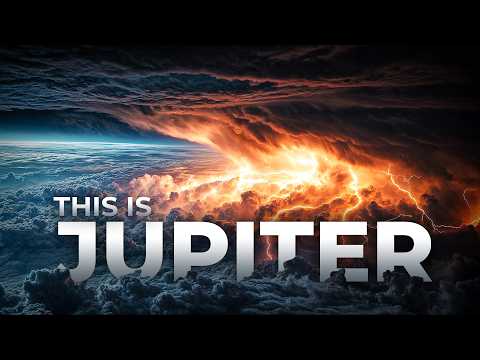
You know that moment when you’re scrolling through and suddenly see a picture of Jupiter? Like, whoa, right? It’s not just any old planet. It’s this massive gas giant with storms that could swallow Earth whole.
But here’s the thing: our solar system is packed with all kinds of wild sights. Each planet has its own vibe, color schemes, and secrets. Sometimes I can’t believe how beautiful they are—like nature’s art gallery in outer space!
This isn’t just about shiny images or fancy telescopes. It’s about understanding our cosmic neighbors and where we fit into this vast universe. So grab a snack, sit back, and let’s check out some jaw-dropping snaps of planets that’ll make you feel like you’re flying through space!
Exploring Authentic Images of the Solar System: A Scientific Inquiry
Exploring the Solar System through authentic images is like taking a road trip without leaving your home! You get to see all these stunning places and learn about them, which is just mind-blowing. Seriously, the universe is such a wild place, and those images? They’re just magical windows into that vastness.
When we think about images of planets, we’re not just looking at pretty pictures. Each image holds a treasure trove of scientific data. For example, did you know that the colors in an image can tell us about a planet’s atmosphere? The light reflected off its surface can reveal its composition and even give clues about weather patterns! Cool, right?
The big players in capturing these images are spacecraft and telescopes. They travel far beyond our cozy Earth to snap those incredible shots. Take NASA’s Hubble Space Telescope, for instance. It has been sending back breathtaking images for over three decades! Hubble has captured everything from the swirling storms of Jupiter to the dazzling rings of Saturn. Each photo isn’t just gorgeous; it’s packed with information.
But let’s talk about how scientists actually create these images. Sometimes they use visible light, like what our eyes can see, but other times they work with infrared or ultraviolet wavelengths. This means that what we see might be altered or enhanced to help illustrate certain features more clearly—like emphasizing storms on Jupiter for their intense colors!
You might wonder — are all those colors real? Well, sort of! While some photos are enhanced to show features better, they still reflect reality to an extent. Scientists often have to process raw data (like digital noise) before turning it into the stunning visuals we admire.
Then there’s the whole idea of missions like Voyager or New Horizons. Those machines have traveled billions of miles out there and returned some unforgettable images from planets like Pluto or even tiny moons. Every single snapshot gives us insights into geological activity or atmospheres that we would otherwise miss.
It’s also kind of emotional when you think about it—seeing these majestic worlds makes you feel small yet connected to something huge and beautiful! I remember looking at those first images from Mars rovers and feeling this rush—not just because they looked cool but because they represented humanity’s quest for knowledge.
In summary, exploring authentic images of our Solar System isn’t just eye candy; it fuels scientific inquiry in so many ways! Each picture taken adds another piece to the cosmic puzzle—helping us understand not just our solar system but also where we fit within it all.
Oh, and don’t forget the upcoming missions too! More awesome pictures are on their way as we continue pushing the boundaries of space exploration. So buckle up—you never know what breathtaking landscapes await us next!
Exploring NASA’s Discovery of a Pink Planet: Implications for Astrophysics and Planetary Science
So, check this out: NASA recently caught our attention with the discovery of a pink planet! Yeah, sounds pretty mind-blowing, right? This vibrant hue isn’t just a random color; it actually tells us a lot about the planet’s atmosphere and what’s going on up there.
What’s up with the color? Well, the pinkish tint comes from the presence of certain chemicals in the atmosphere. When we see colors in space, it usually relates to gases or clouds around a planet. For instance, methane can produce shades of blue or green depending on how it’s mixed and illuminated by its star.
You know why? Because it helps scientists figure out how different atmospheres form and change over time. By analyzing these colors, we learn about the temperature and composition of distant worlds. It’s kind of like looking at the clothes someone wears to get hints about their personality.
The technology used to capture these images sheds light on atmospheric conditions across various planets. Imagine taking your favorite camera and snapping pictures of your friends at different times—you’ll notice how they look different based on lighting or weather. That’s essentially what scientists are doing here but on a cosmic scale!
Now, here’s something really cool: you might think all this planetary stuff is distant and irrelevant. But nah! It gives us hints about Earth too. Understanding how other planets work helps us learn more about our own environment—like climate change or natural disasters.
And here’s a fun fact: when I was little, I used to daydream about living on another planet—maybe one that looked something like this pink beauty! I remember staring up at the stars and imagining all those mysterious places far away from home.
So yeah, every time NASA reveals stunning images from our solar system, it’s not just eye candy—it’s packed with info that fuels further research and ignites our curiosity for space exploration! Isn’t that something?
Exploring NASA’s Authentic Images of Earth: A Scientific Inquiry into Space Photography
When you stumble upon images of Earth from space, it hits differently, right? Those breathtaking views carry a story that combines science, art, and a sprinkle of awe. Seriously, NASA has been snapping pictures of our planet for decades now. And it’s not just for eye candy; there’s a real scientific inquiry happening behind the lens.
Nasa’s authentic images are more than pretty pictures. They serve as vital tools for understanding climate change, weather patterns, and even natural disasters. Think about it: when you look at an image showing swirling clouds or massive storms, what you’re seeing is data capturing the Earth’s atmosphere in action. Each pixel represents information that helps scientists make sense of our dynamic planet.
NASA uses a variety of satellites equipped with advanced cameras to capture these images. For instance, take the MODIS (Moderate Resolution Imaging Spectroradiometer) on the Terra satellite. This bad boy takes photos because it can measure things like temperature and vegetation cover across all sorts of terrains.
- The Earth Observing System (EOS): This project involves various satellites that collectively gather data about our planet’s land, oceans, and atmosphere.
- Sensing technology: NASA employs sensors to analyze light reflecting off Earth’s surface. Different materials reflect light differently—hence why forests look different from deserts in images.
- You can see changes over time: With those stunning visuals coming from space, scientists can track how specific regions are changing or being affected by weather events.
One emotional story comes to mind: remember when Hurricane Katrina hit? The world was captivated by those terrifying satellite images showing the storm’s monstrous shape above the Gulf Coast. They provided context to the disaster that simple news reports couldn’t convey alone. Seeing how nature can be both mesmerizing and destructive makes you appreciate Earth’s beauty even more.
Moreover, these images also help promote global awareness about environmental issues. When people see vividly colored photos that highlight deforestation or urban sprawl, it often stirs something inside them—a desire to act or learn more about sustainability efforts.
Finally, don’t forget how these gorgeous perspectives can influence art and culture! Artists have drawn inspiration from space imagery for years; think about those beautiful murals depicting galaxies or nature reimagined through an astronaut’s lens!
So next time you gaze at one of NASA’s awe-inspiring images of Earth or any other planet in our solar system, remember—you’re witnessing a blend of science and artistry that connects us all in this vast universe we inhabit.
You know, there’s something just magical about looking up at the night sky and thinking about the planets swirling around us. I mean, our solar system is like this giant cosmic playground. And when you see stunning images of these planets, it’s like getting a peek behind the curtain—into a world we only dream of.
I remember the first time I saw an image of Saturn with its rings perfectly displayed. I was at a science fair as a kid, and there it was—this giant poster of Saturn that looked almost painted. Those rings shimmering in the light! It hit me right then just how massive and beautiful our universe is. It felt like being invited to a party I didn’t know existed.
These images aren’t just pretty pictures; they tell stories. Like Mars with its rusty red surface could make anyone think about the possibility of life beyond Earth—or Jupiter’s swirling storms that are so huge you could fit two Earths inside one of them! And let’s not forget about Neptune’s striking blue hues or Venus’s thick clouds hiding a scorching surface. Each planet has its personality, you know?
And what’s wild is how technology captures these scenes for us to marvel at. Telescopes floating far out in space give us views we could only imagine before. It’s incredible to think about how humanity has reached out into the void and brought back such stunning visuals.
But there’s something even deeper here, right? These images remind us of how small we really are in the grand scheme of things. It’s humbling to realize that while we’re sprawled out on our little blue marble, there’s so much more going on beyond our atmosphere.
So next time you catch a glimpse of those dazzling planetary photos, take a second to appreciate their beauty—and maybe ponder what else is out there waiting for us to discover!