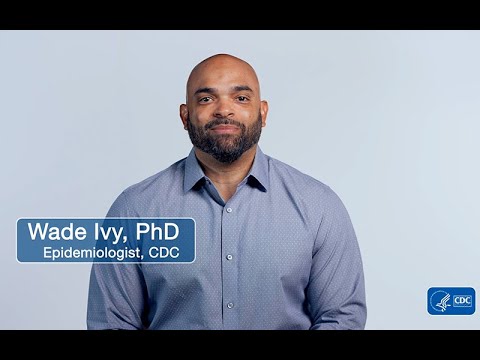
Imagine you’re at a party, right? Somebody sneezes, and suddenly, everyone’s looking around like a deer in headlights. It’s wild how fast panic can spread! That’s kinda where CDC epidemiologists come in.
You see, these folks are the detectives of public health. No cap! They track down diseases and figure out where they’re coming from. It’s like playing a giant game of Clue but with germs instead of Mr. Green in the library.
So, what do they actually do? Well, you wouldn’t believe the amount of research that goes into keeping us safe from outbreaks. It’s not just about counting cases; it’s about understanding patterns and predicting what might happen next.
Stick around as we unravel how these unsung heroes work behind the scenes to keep our communities healthy. You might find it way more interesting than you thought!
Understanding the Role of CDC Epidemiologists in Public Health Science
Epidemiologists are like detectives in the world of public health. Working at the CDC (Centers for Disease Control and Prevention), they solve complex puzzles about how diseases spread and impact communities. But what exactly do they do? Well, let’s break it down.
First off, they collect data. This means gathering information from various sources like hospitals, clinics, and even surveys. Imagine you’re putting together a huge jigsaw puzzle, with each piece representing bits of data about illnesses. The more pieces you have, the clearer the picture becomes.
Once they’ve got their data, these epidemiologists analyze it. They look for patterns—are certain diseases more common in specific areas? Why do some populations get sick more frequently than others? It’s like watching a movie unfold; they see trends that tell a story about health impacts.
Then comes one of the coolest parts: communicating findings. They don’t just crunch numbers in silence. No way! They turn that data into useful information for other health professionals and the public. You could say they’re translators between complicated science and everyday people trying to understand what’s happening in their community.
Now let’s talk about real-life examples. Ever heard of “contact tracing”? That’s a classic job for epidemiologists during outbreaks like COVID-19. They identify individuals who might have been exposed to an infectious disease, so those people can take precautions to avoid spreading it further. It’s all about breaking transmission chains!
Also, these pros step into action when there’s an outbreak—like when Zika virus was buzzing around a few years back or during flu season spikes. They help set up response strategies and monitor effectiveness over time.
And here’s something interesting: epidemiology isn’t just about counting cases; it’s also deeply tied to policy-making. By providing evidence on disease trends, they inform decisions that can lead to improved health responses or preventive measures.
So yeah, if you ever wonder why certain public health policies exist or why some campaigns target specific diseases—it often goes back to the hard work of CDC epidemiologists piecing together those huge jigsaw puzzles of public health data.
In essence, without these folks working behind the scenes at organizations like the CDC, our understanding of diseases and how to combat them would be way less effective. It takes a village—or maybe just an army of dedicated epidemiologists—to ensure public safety through science!
Understanding the Role of the CDC in Public Health: Impacts, Responsibilities, and Scientific Contributions
The Centers for Disease Control and Prevention (CDC) is like the public health guardian of the United States. They’re mainly focused on protecting people from diseases and health threats, which is no easy task, you know?
Key Responsibilities of the CDC:
- Surveillance: They track diseases to see how they’re spreading. This helps them understand outbreaks in real-time.
- Research: The CDC conducts studies to figure out what causes health issues and how to prevent them. Think of it as being detectives for public health.
- Guidelines: They create guidelines for healthcare providers and the public, offering advice on how to stay healthy or respond during outbreaks.
- Emergency Response: When an outbreak happens—like a flu pandemic—they leap into action. Their role is crucial during emergencies.
You might have heard about epidemiologists working at the CDC. These folks are essentially the scientists who analyze data on diseases and their effects on populations. It’s like they’re piecing together a giant puzzle where each piece represents a different factor affecting community health.
The Impact of CDC Epidemiologists:
- Data Collection: They gather tons of data from hospitals, clinics, and other sources. This info is key for understanding how diseases affect different groups.
- Disease Investigation: If there’s an unusual spike in illnesses, epidemiologists are working hard to figure out why that’s happening.
- Crisis Management: During an outbreak, they help coordinate responses by sharing information with local health departments so communities can act quickly.
Think back to when COVID-19 hit. The CDC was right there gathering data about transmission rates, symptoms, and vaccine effectiveness. It was a whirlwind! Just picture epidemiologists making sense of mountains of data while also advising policymakers on what measures to take.
It’s not just about responding to crises; they also contribute significantly to long-term public health strategies. For example, when they find patterns showing that certain lifestyle choices lead to chronic illnesses, they can develop programs aimed at prevention.
The Scientific Contributions:
What you might not realize is that the work done by the CDC isn’t just limited to America. Their research impacts global health too, through collaborations with international organizations like WHO (World Health Organization).
- Epidemiological Research Articles: They publish findings that inform best practices worldwide regarding disease prevention and control.
- This contributes significantly: Innovations in public health practices often emerge from these findings.
It’s a team effort—connecting science with actionable insight so everyone benefits from being healthier.
In short, the role of the CDC in public health is vast and essential. Their epidemiologists play an invaluable role, turning complex data into practical strategies that save lives every day! Without their efforts behind the scenes, we’d be lost when it comes to managing disease threats effectively. So next time you hear about them in the news or read their guidelines online—now you know just how deeply they’re woven into our lives!
Exploring the Role of Epidemiology in Advancing Health Research and Scientific Discovery
Epidemiology might sound like a mouthful, but it’s basically the science that looks into how diseases spread and affect populations. Think of epidemiologists as detectives—seriously, they track down the sources of health problems, like a cold case with real-life consequences. They analyze data to understand patterns and causes of health issues. This info is golden for shaping policies and improving public health.
So, what exactly do CDC epidemiologists do? Well, these pros are on the front lines when it comes to public health research. They collect and analyze data on diseases, injuries, and other health-related events. Their work helps identify outbreaks—like flu season surges or unexpected spikes in COVID cases—and guides responses to those outbreaks.
- One key role they play is surveillance. This involves monitoring disease trends over time.
- They also conduct studies to evaluate the effectiveness of vaccines or treatments.
- Epidemiologists collaborate with other experts to create strategies that curb disease spread.
For instance, during the COVID-19 pandemic, CDC epidemiologists were crucial in tracking infection rates across different regions. They gathered data on who was getting sick with what and where it was happening most often. By analyzing this info, they could pinpoint areas needing additional resources or stricter guidelines.
When you’re looking at public health from a broad perspective, you realize that understanding how social factors influence health is super important, too. Things like poverty levels or access to healthcare can really paint the picture of why some communities are more vulnerable to certain diseases than others.
But it’s not all just numbers and graphs! Epidemiology uses stories behind those figures to humanize the data. For example, consider a local outbreak of a waterborne illness. Typical numbers might show how many people were affected, but dig deeper into individual stories—like families struggling with illness—and you grasp just how those statistics affect real lives.
And yeah, while technology has made data collection faster and more efficient—think apps that track symptoms or big data analytics—the essence of epidemiology still hinges on understanding people’s behaviors and environments. That’s how science becomes relevant in everyday life!
Ultimately, CDC epidemiologists play an essential role not only in unraveling disease mysteries but also in informing public policy decisions that protect communities’ health everywhere. Through their work, we all get better tools for fighting diseases today—and even preventing them tomorrow!
So, you know how you hear about outbreaks on the news—like, people getting sick and all that? Well, behind the scenes, there’s a whole team of folks working tirelessly to understand what’s going on and keep us safe. These are the CDC epidemiologists. They’re like the detectives of public health!
I remember when I was in college, a friend of mine had this crazy experience during a flu outbreak. She got really sick, and it turned out that there were some people in our area who had been exposed to a rare strain of the virus. It wasn’t just her—lots of others were affected too! What struck me was how quickly local health officials teamed up with CDC epidemiologists to figure things out. They traced the spread, studied symptoms, and even looked at how vaccines were responding to that particular strain. It made me realize just how vital these experts are.
Epidemiologists dive deep into data. They analyze patterns in sickness and health trends like it’s a big puzzle waiting to be solved. And it’s not always easy! Sometimes they have to sift through tons of information just to find what they’re looking for—but they do it because it really matters! Their work helps set guidelines for vaccinations, treatment protocols, and responses during outbreaks.
But it’s not just numbers and graphs; there’s a human side too. Each piece of data represents real people’s lives and stories. When they investigate an outbreak, they’re often talking to patients or families who are scared or confused. The goal is not just to collect data but also to understand how those diseases impact communities.
Moreover, these guys aren’t working alone at all! They’re part of wider networks that include healthcare professionals and researchers globally. So when something pops up in one part of the world, the information travels fast! You can imagine it’s kind of like sharing warnings about bad weather ahead.
At their core, CDC epidemiologists embody a mix of science and empathy—they protect us from health threats while also being mindful that numbers represent lives at stake. Their dedication is inspiring; they step up when things get tough so we can live healthier lives without always worrying about what could happen next—and isn’t that something we all appreciate?