So, picture this: you’re at a party, and someone starts talking about how our immune system is like a superhero squad. Pretty cool, right? But wait… what if I told you that scientists are actually using advanced tools to help that squad get even better? Yup, it’s true!
Now, you might be wondering what CDRs even are. Well, CDRs stand for complementarity-determining regions. Sounds fancy, huh? But don’t let the name scare you away! These little guys play a HUGE role in how our immune system fights off bad guys like viruses and bacteria.
It’s like giving your superhero squad some high-tech gadgets to make them more effective. And with recent advancements in these technologies, the potential for tackling diseases is mind-blowing. Just think of all the ways we could boost our health and well-being!
So grab a snack and get comfy, because we’re diving into this wild world of CDRs and their incredible impact on immunology. Seriously, you won’t want to miss this!
Milestone Discoveries in Immunology: Key Developments That Shaped Modern Science
Immunology is like the body’s defense squad, constantly fighting off invaders like viruses and bacteria. Over the years, there have been some seriously cool discoveries that helped us understand this intricate system better.
One of the key breakthroughs was the discovery of antibodies. These are proteins made by our immune cells to recognize and neutralize pathogens. Imagine antibodies like little warriors, each trained to battle a specific foe. When a pathogen enters the body, these warriors spring into action. This understanding has paved the way for vaccines, which prime our immune system by introducing a safe version of the invader.
Another major milestone came with the identification of receptors on immune cells. You know how a lock only opens with the right key? Well, immune cells have receptors that are super picky about what they detect. These receptors help them identify pathogens and trigger a response. It’s like giving your immune system a pair of high-tech glasses to spot trouble from afar!
Then came class switching in B cells. This was a game changer! Initially, B cells produce one type of antibody. But when exposed to different pathogens over time, they can “switch” to make other types better suited for tackling those specific threats. It’s like upgrading your phone; you start with basic functions but eventually get all these amazing apps tailor-made for different situations.
Also important are cytokines, which are signaling molecules that help coordinate the immune response. They act as communication messengers between cells—like sending texts among friends so everyone knows what’s going on in the battlefield. Some cytokines ramp up the immune response while others help cool it down once everything is under control.
And we can’t forget the role of T cells. Specifically, helper T cells act as commanders in this war against infections. They tell other immune cells what to do and when to do it! Without them, your immune response might end up being totally disorganized—a bit like trying to organize a party without any clear plan or guest list.
Now let’s take it up a notch with complement systems. This complex network helps tag and destroy pathogens in various creative ways—like putting out “Wanted” posters around your body so that other immune cells know whom to chase down!
In more recent times, scientists have been working on manipulating these components through advanced techniques such as CDRs (Complementarity-Determining Regions). Basically, CDRs are regions within antibodies that determine how well they can bind to their targets—the more specific they are, the better they work! By engineering these regions, scientists can develop targeted therapies for diseases like cancer or autoimmune disorders.
These discoveries didn’t just pop up overnight; they were built upon decades—or really centuries—of research. You know how every generation stands on someone else’s shoulders? That’s exactly how immunology evolved: through collaboration and building on previous knowledge.
In summary, while our understanding of immunology has come a long way thanks to milestones such as antibody discovery and receptor identification, ongoing advancements continue reshaping how we approach health and disease today—and it’s pretty exciting if you ask me!
Understanding CDRs in Immunology: Their Role and Significance in the Immune Response
Let’s talk about CDRs, or Complementarity-determining Regions. These little guys are a big deal in immunology. They play a crucial role in how our immune system recognizes and defends against invaders like bacteria and viruses. But what are they exactly?
Think of CDRs as the high-tech, custom-fit gloves that antibodies wear when they tackle pathogens. Seriously! Antibodies have specific parts that fit perfectly with the things they target, kind of like a key fitting into a lock. The CDRs are the bits of the antibody that actually make contact with these invaders.
Here’s how it works: antibodies have two main regions—the constant region and the variable region. The variable region is where all the magic happens, and it’s made up of CDRs along with framework regions that help stabilize them.
- Structure: Each antibody has three CDRs on each arm, making six in total for a typical Y-shaped antibody. They’re named CDR1, CDR2, and CDR3.
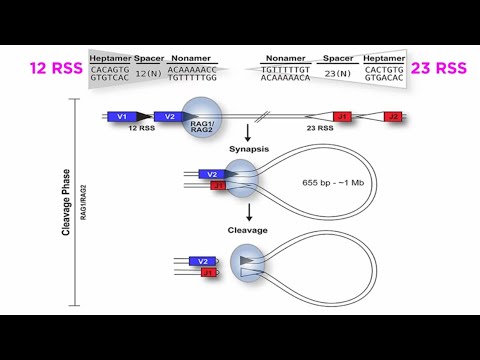
- Diversity: The reason we can recognize so many different pathogens is due to genetic recombination during immune cell development. This process creates a massive variety of CDRs!
- Selectivity: The unique structure of each CDR allows for a specific fit with different antigens (the parts of pathogens that trigger an immune response). This selectivity is critical for effectively neutralizing threats.
I remember hearing about an amazing story where researchers engineered antibodies to fight cancer by tweaking their CDRs to enhance affinity to tumor cells. It was like they had modified those gloves to fit even better! This customization led to more effective treatments.
The impact of advancements in understanding CDRs can’t be overstated. With tools like CRISPR and advanced sequencing techniques, scientists can now design better therapeutic antibodies more efficiently than ever before.
This also means we’re getting closer to personalized medicine—where treatments can be tailored specifically to an individual’s immune profile based on their unique set of CDRs!
So yeah, understanding these little regions is crucial not just for basic science but also for real-world applications like vaccine development and therapies against diseases. It’s all about how finely tuned our immune response can be made through knowledge of these incredible players in immunity.
Advancements in Monoclonal Antibodies: Transforming Therapeutics and Scientific Research
Monoclonal antibodies are like superheroes in the world of medicine and research, and their powers are getting stronger every day! Basically, these antibodies are made by identical immune cells that are clones of a unique parent cell. This means they’re super specific, targeting only certain molecules. Sounds cool, right?
So, what’s the deal with advancements in CDRs? CDRs, or Complementarity Determining Regions, are the parts of the antibody that actually bind to their targets. Think of them as a key that fits into a lock. Just like how you’d want a key that fits perfectly to get into your house, scientists aim to tweak CDRs so these antibodies can latch onto disease-causing targets more effectively. This is where things get exciting!
The research community has been diving deep into enhancing these CDRs. They’re looking at ways to make them even more specific and effective at binding to those pesky targets like cancer cells or pathogens. For example, if you have a better-fitting key (that’s an improved CDR), it could lead to breakthroughs in treatments for diseases that were once thought untreatable.
Now let’s not forget about therapeutics. Monoclonal antibodies have been making waves in treating various conditions! They’ve proven effective against cancers, autoimmune diseases, and even some viral infections. For instance, rituximab is used for treating non-Hodgkin lymphoma by targeting CD20 on B cells—basically sending those rogue cells packing!
What’s really thrilling is that advancements in technology allow scientists to create these antibodies faster and cheaper than before. Techniques like phage display help identify which CDR changes can boost binding strength without compromising the rest of the antibody’s function. It’s kind of like having a supercharged workshop where you speed up crafting your favorite toy!
Also worth mentioning is how these advancements extend beyond just treatment. In scientific research, monoclonal antibodies play important roles in diagnostics too! By using them as tools to detect certain proteins in blood tests or biopsies, researchers can gather tons of data about diseases at an early stage—early detection can save lives.
Still not convinced? Let’s take a look at clinical trials! Many monoclonal antibodies are tested for safety and effectiveness all around the globe every year. These trials not only help patients but also push the boundaries of what we know about immune responses through improved understanding of how our bodies react to diseases.
In summary, advancements in monoclonal antibodies and their CDRs are reshaping both therapeutics and scientific exploration by providing innovative ways to tackle complex health challenges. With continued research and development efforts, we’re likely just scratching the surface of what these mighty molecules can achieve!
You know, when you think about the world of science, it’s like a never-ending journey of discovery. Recently, I’ve been diving into the advancements in CDRs—those are complementarity-determining regions—and their impact on immunology. Honestly, it’s a bit mind-blowing!
So here’s the deal: CDRs are these little sections of proteins on antibodies that basically help your immune system recognize and bind to all sorts of bad guys, like viruses and bacteria. Imagine them as special locks that only fit certain keys. The better these locks fit the keys (the antigens), the more effective your immune response is going to be.
I remember chatting with a friend who’s actually studying immunology. He told me about how scientists have been getting super creative lately in tweaking and improving these regions. It’s like they’re crafting custom-fit shoes for your immune cells! This kind of precision is opening up new doors for therapies, especially for diseases where the immune system gets a bit confused—like autoimmune diseases or even cancer.
The advancements we’re seeing now with CDRs really make a difference in how we approach treatments. Tailoring antibodies to target specific cells can mean better outcomes with fewer side effects. That’s something every patient would want to hear.
And let me tell you, there’s this exhilarating sense of hope surrounding these developments! Just imagining a future where someone battling cancer gets an effective treatment because scientists figured out how to enhance their body’s natural defenses gives me chills.
But it’s not just about the science itself; it’s also about the stories behind it—the patients who will benefit from these breakthroughs. When you think about what an improved CDR could mean for someone struggling with their health, it adds this layer of humanity that makes all the lab work so meaningful.
So yeah, advancements in CDRs are reshaping immunology in ways we couldn’t even dream of before. It’s all pretty exciting if you ask me!