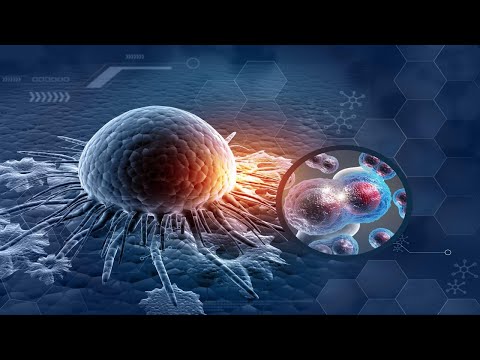
You know that feeling when you’re playing hide and seek, and you can’t find your best friend? Well, imagine your body is doing the same thing with viruses and bacteria! It’s like a game of tag that never ends.
But here’s the cool part: our immune system is like a superhero squad, ready to kick some microbial butt. Seriously, it’s pretty incredible how our bodies figure out who’s who in the microscopic world. And that’s where immunology comes in—it’s all about understanding these sneaky invaders.
Then there’s serology, which is basically like having a detective on the case. It looks at blood samples to track down those pesky pathogens. With advancements in these fields, we’re uncovering so much about health that it’s mind-blowing!
So grab a snack and let’s chat about how these new discoveries are helping us stay healthy and safe. You’ll wanna stick around for this!
Milestone Discoveries in Immunology: Pivotal Advances Shaping the Field of Science
Immunology’s come a long way, and it’s pretty amazing to see how discoveries in this field have shaped our understanding of health. So, let’s chat about some of the milestone discoveries that have seriously influenced immunology.
First off, we can’t forget about the germ theory of disease. Back in the 19th century, folks like Louis Pasteur and Robert Koch really laid the groundwork for understanding that tiny microorganisms cause diseases. This was a game-changer! Imagine living back then not knowing why you got sick; it’s like trying to find your way in the dark!
Another significant breakthrough was the development of vaccines. Edward Jenner’s work with cowpox led to the smallpox vaccine—like, how cool is that? He noticed that milkmaids who had cowpox didn’t get smallpox. That insight saved millions of lives and paved the way for modern vaccination practices. Vaccines now help us fight everything from measles to COVID-19. They’re basically superheroes in our immune system.
Fast forward to the mid-20th century, when scientists discovered monoclonal antibodies. These are lab-made molecules designed to bind to specific targets in your body—think of them as guided missiles for disease! They’ve been used in treatments for various cancers and autoimmune diseases, changing how we approach therapies.
Then there’s the discovery of T-cells, which are crucial players in your immune response. The finding that these cells recognize pathogens changed the game entirely in how we understand immunity. Knowing about T-cells has led to advancements in cancer immunotherapy because they can be trained to hunt down cancer cells more effectively.
And who could forget about CRISPR technology? While primarily known for its gene-editing capabilities, CRISPRs have implications for immunology too! You can manipulate immune cells at a genetic level, which opens up exciting potential for treating genetic disorders or enhancing vaccine efficacy.
Moving on, breakthroughs in understanding the microbiome have also revolutionized our view on immunity. The bacteria living inside us don’t just hang out; they play active roles in shaping our immune system! It’s fascinating how things like diet can influence our gut bacteria and thus impact our health.
Lastly, recent advances with immunotherapy, especially CAR-T cell therapy, show just how far we’ve come. This treatment involves reengineering a patient’s own T-cells to attack cancer—all thanks to developing a better understanding of how those cells work.
So yeah! Each one of these milestones tells a story—a story where science meets real-world health impacts. Every discovery brings hope and opens new doors. And just think: what will we uncover next?
Exploring the Cutting-Edge Trends in Immunology: Key Topics to Watch in 2025
Immunology is like this ever-evolving puzzle that makes you think about how our bodies fight off diseases. It’s pretty wild, really. With 2025 just around the corner, there are some serious trends that are taking shape in this field. Let’s check out some key topics that are worth keeping an eye on.
Precision Medicine
This trend is all about customizing treatments based on the individual’s immune system. Imagine going to a doctor and instead of getting the same treatment everyone else gets, you get something tailored just for you! Researchers are looking at how your unique genetic makeup affects your immune response. They’re figuring out what works best for each person, which could mean more effective treatments with fewer side effects.
Nanotechnology in Vaccines
It sounds super sci-fi, but nanotechnology is making waves in vaccine development! This tech involves tiny particles that can deliver vaccines directly to cells in your body, ramping up the immune response. Remember all those talks during COVID-19 about mRNA vaccines? Well, now they’re exploring nanoparticles to boost their effectiveness even further. It’s like giving your immune system a secret weapon!
Gut Microbiome and Immunity
You know how they say you are what you eat? Well, it turns out your gut bacteria play a massive role in how your immune system functions too! Scientists are diving deeper into how the gut microbiome influences immunity and disease susceptibility. They’re discovering links between specific bacteria and inflammation levels. This could pave the way for new treatments based on gut health—like finding the right balance of bacteria to help keep you healthy!
Allergy Treatments Reinvented
Allergies can be a pain, am I right? But researchers are making strides here too! They’re investigating new ways to treat allergies by changing how our immune systems respond to allergens instead of just managing symptoms. For example, immunotherapy is becoming more personalized and could potentially provide long-term relief for allergy sufferers.
Monoclonal Antibodies
These little guys are revolutionary! Basically, they’re lab-made antibodies that can target specific functions or invaders in your body—like those pesky cancer cells or viruses. In 2025, expect more advancements here with new monoclonal antibodies being developed for different diseases. It’s like having a super-charged immune response ready to go at any moment.
T-cell Therapies
T-cells are like soldiers in your immune army! In recent years, therapies focused on T-cells have gained popularity because they can specifically target infected or cancerous cells without harming healthy ones. Research will continue pushing this frontier further into treating various cancers and chronic infections.
All these advancements hint at a future where healthcare is not only more effective but also much more personal and precise—kinda exciting when you think about it! The trends mentioned here will be crucial as we move toward better health insights through immunology.
So yeah, if you’re intrigued by medicine and science (which who isn’t?), keep an ear out for these exciting developments that’s gonna shape our understanding of health in the coming years!
Exploring the Role of Immunology in Advancing Public Health Initiatives
Immunology plays a super important role in public health. It helps us understand how our immune system works and how to protect ourselves from diseases. Basically, immunology is like the study of our body’s defense system, you know? When we talk about public health initiatives, we’re looking at ways to keep communities healthy and safe. So let’s break it down a bit.
First off, vaccines are one of the greatest gifts of immunology. They train our immune system to recognize specific pathogens without actually getting us sick. For example, think about the polio vaccine. Before it came along, polio was a terrifying disease that caused paralysis in children. Thanks to vaccines, we’ve nearly eradicated it! Isn’t that mind-blowing?
Next up is serology, which is the study of blood serum. It helps us detect antibodies in our blood. Antibodies are those little warriors that fight off infections after you’ve been exposed to a virus or bacteria. By looking at serological data, public health experts can figure out how widespread an infection is in a community or population. This can lead to better-targeted health measures.
Then there’s early detection. Immunologists work on tests that identify diseases early on, sometimes even before symptoms show up! This is key for diseases like HIV where treatment works best if started right away.
Another cool aspect is surveillance. Tracking diseases allows teams to react quickly during outbreaks. By monitoring which infections pop up and where they spread, public health officials can stop them from becoming widespread—like during the COVID-19 pandemic when contact tracing was crucial.
Also, immunity isn’t just about fighting infections—it’s about community immunity, or herd immunity as some call it! When enough people are vaccinated against a disease, even those who can’t get vaccinated (like people with allergies) are protected too. It’s like making a shield around vulnerable folks!
To wrap things up, immunology isn’t just about personal health; it’s deeply intertwined with public health strategies aimed at keeping everyone healthy and thriving together. Every shot you take and every test done contributes to our understanding of how we can combat diseases on a larger scale. What happens next? We keep advancing, learning more day by day!
You know, it’s pretty astonishing how much we’ve learned about our immune system over the years. Immunology and serology, these fields that study how our bodies defend against disease, have really transformed the way we understand health. I mean, just think back to when a simple cold could knock you flat for weeks. Now, scientists are working on ways to boost our immunity and provide insights that could keep us healthier than ever before.
Not too long ago, I was chatting with a friend who had just gotten over a nasty bout of pneumonia. They mentioned how their doctor was able to pinpoint exactly which bacteria caused it thanks to some new serological tests. It struck me how incredible that is! Instead of guessing or trial-and-erroring different antibiotics, there’s now this far more precise approach to treatment based on understanding your immune response.
And let’s not forget about vaccines! Seriously, the advancements in vaccinology are remarkable. Remember when getting a shot meant sitting in a sterile office while feeling anxious and maybe even a little sore after? Now we’re talking mRNA vaccines that basically teach your body how to defend itself against specific viruses like COVID-19 in ways we never imagined possible. It feels like science fiction came alive!
But it’s not just about preventing illness; it’s also about understanding our own unique genetic makeup. The developments in personalized medicine mean that treatments can be tailored specifically for you based on what your immune system needs. Imagine being treated not just as another statistic but as an individual with unique reactions and vulnerabilities.
Of course, with all these advancements come challenges too—like access to these technologies or keeping up with all the rapid changes in research. It’s kind of daunting at times, right? But having these tools at our disposal gives hope for better health solutions.
So yeah, advancements in immunology and serology give us incredible insights into health today! It’s amazing what science can do when we really dig into how our bodies work. Who knows what they’ll come up with next?