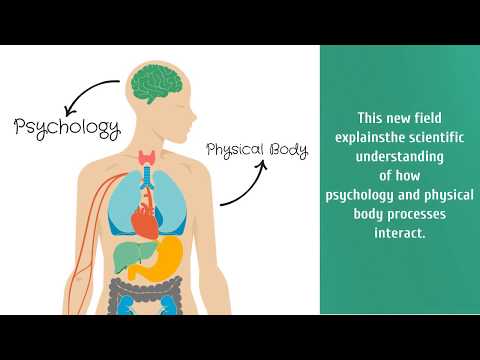
You know those days when you feel a little under the weather? Like, you wake up and your body’s just like, “Nah, not today”? Well, imagine if your stress or even your mood could actually play a part in how sick you get.
Sounds wild, right? But that’s the whole vibe behind psycho neuro immunology. That’s a fancy term for how our mind, nervous system, and immune health totally talk to each other.
Picture this: you’re stressed about that big presentation at work. Maybe you start feeling a sore throat creeping in. Coincidence? Not really! It’s like your brain’s throwing a party and your immune system didn’t get the invite.
So, buckle up, because we’re gonna dive into this fascinating world where feelings meet biology. Seriously, it’s more connected than you might think!
Exploring the Four Key Components of Psychoneuroimmunology: Understanding the Science Behind Mind-Body Interactions
Sure, let’s break down psychoneuroimmunology in a way that’s easy to understand. Basically, it’s the study of how your mind, your brain, and your immune system work together. It sounds a bit fancy, right? But it’s really about the connections we all have between what we think and feel, and how our body reacts.
The Four Key Components
So there are four main components to consider here. Each one plays a role in understanding how mental states can influence physical health.
- Psycho: This part is all about the mental aspect—your thoughts, emotions, and behaviors. You know how when you’re stressed out or anxious, you might get a headache or feel sick? That’s because your emotions can trigger responses in your body.
- Neuro: Now we’re talking about the brain and nervous system. The brain releases neurotransmitters and hormones that affect various body functions. Ever noticed how when you’re super happy or excited, you feel energized? That’s your brain doing its thing! It sends signals that can boost or suppress immune responses.
- Immuno: This component refers to the immune system itself—the body’s defense against illness. When stress hits, the immune system might not work as well as it should. Think of it like this: if you’re always stressed out, it’s like having a bunch of folks at a party who aren’t really enjoying themselves; they’re just not performing at their best.
- Interactions: This is where things get even more interesting. It’s about how these components communicate with each other. Your mind can send signals to your immune system through the nervous system and hormones. A classic example is how some people might get sick after an emotional event—like losing a job or going through a breakup—because their body was under stress.
To put it simply: imagine you’re walking through a park one day when suddenly you see a snake! Your heart races; adrenaline pumps into your veins; everything in your body is responding to that fear—all because of what your brain perceives as danger! Once the threat passes, though, if you’re able to relax and breathe easy again, so will all those stress responses.
Now let’s chat about some real-life implications here. Researchers are now looking into how therapies like mindfulness or cognitive behavioral therapy can actually improve outcomes for people with chronic illnesses by helping them manage their stress levels better. Seriously! This shows just how powerful our thoughts can be—not just for our minds but for our bodies too.
So next time you’re feeling overwhelmed or anxious about something minor—or major—remember that it’s not just “in your head.” It’s affecting more than you think; it’s affecting your entire body! There’s still sooo much to learn in this field—but connecting these dots could be key for better health down the road!
Exploring Psychoneuroimmunology: A Key Example and Its Impact on Health Science
Psychoneuroimmunology is a mouthful, right? But stick with me, because it’s seriously fascinating. This field looks at how our mind, nervous system, and immune system all chat with each other. It’s like a three-way conversation that can seriously affect your health. So, how does it all tie together?
The brain and body are basically best friends. When you’re stressed or anxious, your brain sends signals through the nervous system that can impact your immune response. Think of it like this: remember that time you got super stressed about an exam? You might have noticed some sniffles afterward or even ended up feeling under the weather. That’s not just in your head; it’s literally your body reacting to stress.
- The Role of Stress: Chronic stress isn’t just annoying; it can mess with your immune system’s ability to fight off infections.
- Mood Matters: Feelings of happiness or sadness influence hormones that directly impact immune function. A good laugh can give your immune system a nice little boost!
- Mind-Body Connection: Practices like meditation and yoga have been shown to help reduce stress and can actually enhance immune functioning.
There was this one study where they looked at people diagnosed with HIV. Those who had higher levels of stress tended to experience faster disease progression compared to those who managed their stress better. This shows just how powerful our thoughts and feelings can be on our physical health!
So here’s the kicker: understanding psychoneuroimmunology is key for developing better treatments for various diseases. If we know how stress impacts our bodies, we might figure out new ways to help keep people healthy—like combining traditional medicine with psychological practices.
In essence, it’s about bridging mind and body, using everything we know about psychology, neurology, and immunology to improve health outcomes. So next time you feel overwhelmed, remember—it’s not just mental; it’s physical too! Taking care of your mind could just be the ticket to a healthier you overall.
Exploring Psychoneuroimmunology: Understanding the Interconnection of Mind, Brain, and Immune System
Psychoneuroimmunology is like a super cool intersection where your mind, brain, and immune system hang out. So, what exactly is going on in this realm? Well, it’s all about understanding how our thoughts and feelings can actually affect our physical health. Believe it or not, the way we think can influence how well our immune system works!
First off, let’s break it down a bit. Your brain communicates with your immune system through chemical signals. When you feel stressed or anxious, your brain sends out stress hormones like cortisol. And guess what? These hormones can suppress your immune function! So when you’re freaking out over that big exam or job interview, your body’s ability to fight off illness might just take a hit. Crazy, right?
Here are some key points to consider:
- The Mind Connection: Emotions can seriously impact our health. Feeling good might boost your immune responses, while feeling down could make you more susceptible to colds.
- Brain Signals: The hypothalamus—a tiny area in the brain—regulates many hormonal responses. It plays a major role in communicating between the nervous and immune systems.
- Immune Health: People with chronic stress often have more trouble fighting infections. Stress management techniques can help improve their overall well-being.
A little story comes to mind here. Once I read about a guy who would get sick every time he felt super stressed at work. It was almost like clockwork! He realized his anxiety was dragging down his immune system. After picking up some mindfulness practices and getting into yoga, he noticed he was getting sick less often and felt way better overall.
But you know what’s fascinating? Even behaviors like laughter and social interactions can positively affect our immunity! When we laugh or interact with friends, our body releases endorphins—those feel-good chemicals—and they help reduce stress hormones too.
It’s important to remember that psychoneuroimmunology isn’t just about managing stress; it’s also about fostering positive mental health for better physical outcomes. Practices such as meditation or simply enjoying time with loved ones can make a huge difference.
However, the connection doesn’t go one way—it’s also about your body impacting your mind! When you’re physically healthy, you tend to feel better mentally too; it’s like this continuous loop of feedback between mind and body.
So next time you’re feeling overwhelmed or ill, maybe take a moment to check in on your mental state too! Understanding the ties between these three areas could lead us toward holistic strategies for improving health—in both body and mind! Crazy stuff when you think about how interconnected we really are!
So, let’s chat a bit about this cool field called Psycho Neuro Immunology. That’s quite the mouthful, huh? Basically, it dives into how our mind and immune system are buddies. Like, they really talk to each other more than we think!
Imagine this: you’re having a rough day—maybe you got into an argument or something didn’t go your way. You feel stressed, right? Well, what happens is that stress can mess with your immune system. It’s like your body hears your brain being all upset and decides to take a hit too. Crazy, huh? So when you’re mentally drained, your body might not be at its best.
I remember a time when I was going through finals in college. Ugh! The pressure was immense. I started getting sick more often during that time! It was like my body decided it couldn’t handle the weight of my stress. Now that I think back on it, it feels obvious—stress wasn’t just in my head; it took root in my health too.
The science behind it says that stress hormones like cortisol can dampen the immune response. It’s wild how one aspect of our being can shake hands with another one so closely! And it’s not just anxiety or sadness—happiness and relaxation also play key roles in keeping us healthy.
What really gets me about Psycho Neuro Immunology is how empowering it feels to know we have some control over this connection. Through practices like mindfulness or yoga, we can boost our mental well-being and give our immune system a little nudge in the right direction.
So next time you’re feeling overwhelmed or super anxious, consider taking a breather or doing something fun that makes you smile! Our minds and bodies are intricately linked—it’s kind of beautiful if you think about it. By nurturing one aspect, we’re helping the other thrive too!