You know that feeling when you’re outside at night, and you spot a shooting star? It’s like, whoa! You suddenly feel tiny in this vast universe. I remember the first time I saw one. My friends and I were camping, and we just froze, staring up with our mouths open.
Well, imagine if kids could have that kind of magic experience more often. That’s where the Celestron Firstscope comes in. It’s like a ticket to another world. Seriously, it’s not just a telescope; it’s an adventure waiting to happen!
Kids look through it and suddenly they’re explorers of the cosmos. They can check out craters on the moon or maybe even figure out where Mars is hanging out that night. It’s all about inspiring future astronomers through play, making stargazing exciting and fun! So, let’s chat about how this little gadget can spark some serious interest in space for the next generation.
Exploring the Cosmos: Discover What You Can See with a Celestron FirstScope Telescope
Exploring the cosmos with a telescope is like opening a door to another world. Seriously, it’s incredible what you can see up there! If you’ve got a Celestron FirstScope telescope, you’re in for a treat. It’s user-friendly and perfect for beginners.
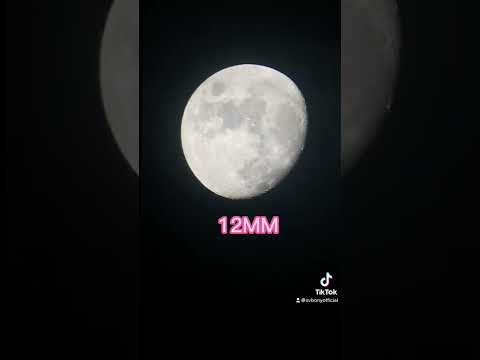
First off, what can you see? With this little gem, you can spot craters on the Moon. Have you ever looked at the Moon through binoculars? Now, imagine how much clearer it is with a telescope! You’ll see details like mountains and valleys that make it look almost three-dimensional at times.
Then there are planets. Jupiter is one of the easiest targets. When you look at it, you’ll likely catch its moons too—Galilean moons they call them. It’s wild to think that you’re peeking at something so far away and yet so close in terms of observation!
Saturn is another must-see. Its iconic rings are breathtaking! You’ll feel like an astronaut yourself when you spot those beautiful bands surrounding the planet. It’s like nature’s art installation floating in space.
Now let’s talk about star clusters. The FirstScope also lets you view some amazing clusters like the Pleiades. That group of stars looks like diamonds scattered on a velvet cloth. You might even feel a little emotional staring up there. It just hits differently when you’re under that vast sky!
And don’t forget about nebulae. While your FirstScope isn’t designed for deep space viewing, with a bit of practice and good dark-sky conditions, you might just catch sight of some glowing gases spread across the night sky. The Orion Nebula is usually visible to beginners and has this soft glow that makes it magical.
Of course, remember to check out your local astronomy clubs or groups too! They often host star parties where folks set up their scopes and share tips—and it’s super fun to look through different telescopes too!
So basically, if you’re aiming to inspire future astronomers—be them kids or adults—sharing these experiences through simple play could spark lifelong interests in science and exploration. Just imagine guiding someone through their first glimpse of Saturn’s rings or explaining how craters formed on the Moon after they ask why it’s all pockmarked.
It’s more than just stargazing; it’s about connecting with what lies beyond our planet—understanding our universe better one night at a time! So grab your FirstScope and let yourself be amazed by the wonders above!
Evaluating Celestron: A Comprehensive Guide to Beginner-Friendly Telescopes in Astronomy
Exploring Astronomy with Celestron
Looking to get into astronomy? Celestron’s telescopes, especially the FirstScope, are often recommended for beginners. They’re user-friendly and help spark curiosity in young astronomers. It’s not just about the stars; it’s about discovering a whole new world.
Why Choose the Celestron FirstScope?
One of the biggest draws of the FirstScope is its simple design. You can set it up in just a few minutes. So, whether you’re a child or an adult who’s curious about the cosmos, this telescope makes it easy for you to start your stargazing journey.
Key Features:
- Portability: Weighing only a few pounds, it’s light enough to carry around! Imagine taking it to a park or your backyard.
- User-Friendly Setup: There aren’t tons of complicated parts. That means less frustration and more time looking at planets!
- An Affordable Price: Great for first-time buyers without breaking the bank.
It reminds me of that time I got my first telescope when I was a kid. I was so excited to see Saturn and its rings! My dad helped me set it up, but honestly, even he found it super easy. Just point and look! There was this moment when I finally saw those rings—just mind-blowing!
What Can You See?
With the FirstScope, expect to view some pretty cool celestial objects. You might spot:
- The craters on the Moon—like little bumps on a giant marble.
- The moons of Jupiter—if you’re lucky, you could see four shiny dots!
- Bright planets like Venus or Mars during their prime times.
These sights can really ignite a passion for astronomy. Each night can feel like an adventure as you explore different stars and planets!
Tips for Getting Started
To make your experience more rewarding, keep these things in mind:
- Select Dark Locations: Light pollution can ruin your views. Try stargazing away from city lights if possible.
- Pace Yourself: Don’t rush through everything at once. Enjoy each sight and take notes about what you see!
- Join Astronomy Clubs: Meeting other enthusiasts can open doors to learning new tricks and tips.
There’s something special about sharing discoveries with friends or family members too—it turns into quality bonding time over stargazing.
A Last Thought
No matter your age or experience level, diving into astronomy with tools like Celestron’s FirstScope can be incredibly rewarding. It invites curiosity and opens up conversations that lead us deeper into understanding our universe.
So grab that telescope and let those galactic adventures begin!
Exploring the Rings of Saturn: Viewing Tips for Celestron Telescope Users
So, you’ve got your Celestron telescope, and you’re itching to check out those stunning rings of Saturn? Awesome choice! The rings are this amazing spectacle in the night sky, swirling with icy particles and dust. If you’re ready to dive into some celestial exploration, here are a few viewing tips that’ll set you up for an unforgettable experience.
First off, timing is everything. You want a clear night when the skies are free from clouds and pollution. The best time to see Saturn is during opposition when it’s closest to Earth. It’s usually visible in the evening sky. Keep an eye on astronomy calendars or apps to catch that perfect moment!
Now, about your telescope: while the Celestron FirstScope is a great entry-level scope, it has its limitations. This means details will be less sharp compared to more powerful telescopes. But hey, that doesn’t mean it can’t deliver! Just remember:
When you’re setting up your telescope, make sure it’s level and stable. A wobbly tripod can be super frustrating when you’re trying to focus on such a distant object! Try doing this away from city lights if you can; light pollution can really wash out celestial wonders.
Once you’ve got your telescope set up and aimed at Saturn (which should be easy if you have some alignment tools), take your time adjusting focus. You might find:
The rings appear as thin lines, but they’re actually quite wide! Some amateur astronomers even say they look like a cosmic hula hoop spinning around the planet.
Now let’s talk about filters for a sec! A color filter can enhance contrast—especially if you’re struggling with light glare or atmospheric conditions. For example:
And here’s another tip: sketch what you see! Believe me; this is not just child’s play; capturing what’s in front of you in drawings helps sharpen observational skills and deepens your connection with the cosmos.
Finally, don’t hesitate to share what you observe with others who share your passion for astronomy! Sharing experiences often makes them more enjoyable and memorable—plus, who knows? You might inspire someone else along the way!
Exploring Saturn through your Celestron FirstScope can be truly rewarding even if it comes with its own challenges. Keep looking up!
You know how when you were a kid, sometimes you’d lie on the grass at night and look up at the stars? That feeling of awe, wishing to know more about that vast universe above? Well, that’s where something like the Celestron Firstscope comes into play. It’s not just a fancy telescope—it’s sort of like a gateway to wonder.
I remember this one summer evening, my little cousin and I spent hours outside with my dad’s old telescope. We were so excited, barely standing still as we tried to focus on craters on the Moon. The magic of seeing those details for the first time? Wow! It sparked an interest in both of us that has lasted till today.
The Firstscope is designed for beginners, making it super approachable. Honestly, it looks fun just sitting there with its cute and compact design. You don’t need a PhD in astronomy to start using it—just some curiosity and maybe a buddy to share those “oohs” and “aahs” with. It’s all about getting kids engaged in science through play—yeah, play! Because what’s cooler than exploring the cosmos while having fun?
One thing I think is amazing about telescopes like this is how they help kids imagine endless possibilities. They’re not just looking at distant stars; they’re realizing they could be scientists or astronauts one day. That dream can start with something as simple as turning a dial and peering through an eyepiece.
It’s also cool that it’s lightweight and portable. You can literally pack it up for a camping trip or even set it up in your backyard after dinner on a clear night. This kind of accessibility means more families can experience stargazing together.
Inspiring future astronomers is all about curiosity, right? And if tools like this encourage kids to ask questions—like “What’s out there?” or “How far away are those stars?”—that’s pretty special.
So yeah, encouraging exploration through instruments like the Celestron Firstscope really lights that spark of curiosity in future generations! If only everyone could experience the joy of connecting with the universe above them; who knows what wonders could unfold?