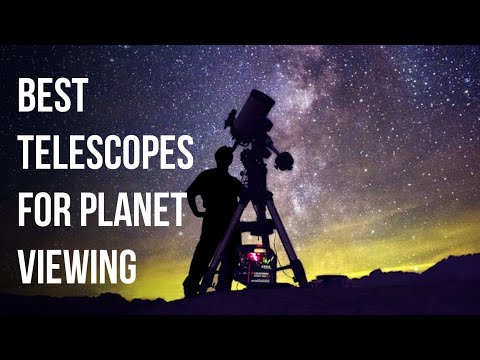
Have you ever tried to impress your friends by pointing out the Big Dipper? But then, like, you just end up staring at a bunch of stars, trying to remember where it is? Yeah, me too.
Look, stargazing is kind of magical. It’s like stepping into a whole other world— one where you can’t help but feel tiny and curious all at once. There’s something about those shiny dots that keeps us coming back for more.
But hey, if you really want to take your stargazing game up a notch, having the right telescope is key. You don’t wanna be that person with just binoculars while your buddies are peering through some fancy lens.
So let’s chat about some of the top-rated telescopes that’ll make you feel like an astrophysicist in no time. Seriously! You could be gazing at Saturn’s rings tonight—how cool is that?
Exploring the Cosmos: A Comprehensive Review of the Celestron Astro Fi 13 Telescope for Astronomy Enthusiasts
Well, let’s chat about the **Celestron Astro Fi 130 Telescope**. If you’re an astronomy enthusiast or someone who just likes to gaze at the stars, this one might catch your eye. It’s got some features that make it stand out, and I’m here to break that down for you.
First off, the **Astro Fi 130** is a **reflector telescope**. Basically, this means it uses mirrors instead of lenses to gather light. So, what’s cool about that? Well, mirrors can be shaped in ways that capture more light and provide clearer images of distant objects. For a stargazer like you, this is pretty essential when you’re looking at galaxies or nebulae that are millions of light-years away!
Now let’s talk about its size. The telescope has a **130mm aperture**, which is decent for a beginner or intermediate user. This size allows you to see craters on the moon, rings around Saturn, and even some star clusters. Imagine standing outside at night with your buddies and pointing out all these cool things! Fun times!
The **setup** is also quite friendly for newcomers. You can connect it to your smartphone via Wi-Fi through Celestron’s app. Just think about it—you won’t need to fumble with complicated gears or knobs! Once connected, the app can help you locate celestial objects easily. Just follow its guide and voila! You’ve found Mars!
Another neat thing is that this telescope has a pretty lightweight build, making it portable. You can take it along on camping trips or just into your backyard for impromptu stargazing sessions.
Now onto the eyepieces—this telescope typically comes with two: a 25mm and a 10mm one. Each offers different magnifications which allow you to see objects up close or enjoy a wider field view depending on what you’re tracking in the sky.
But there’s something else that’s super important—stability! This telescope has a sturdy mount which helps keep things steady while you’re viewing those faint cosmic wonders up there.
However, every rose has its thorn! The **Astro Fi 130** isn’t necessarily perfect for deep-sky photography if that’s something you’re interested in pursuing later on; you’d likely need another setup for those kinds of shots since astrophotography demands high precision.
In terms of price-point? It generally sits comfortably in the mid-range market. That means it won’t break the bank but still offers solid features without skimping too much on quality.
To sum things up:
- Reflector design utilizes mirrors for better clarity
- 130mm aperture opens up views of craters and planets
- Easily portable for stargazing wherever you go
- Smartphone compatibility makes finding stars simpler
- Good eyepieces included for different viewing experiences
- Stable mount helps ensure steady viewing
- A bit tricky for deep-sky photography.
So whether you’re just starting out or looking to upgrade from an old model, it’s worth considering what features matter most to you as an aspiring cosmic explorer! And hey, gazing into the night sky can get really inspiring—it’s like looking back in time at all those shimmering stars and galaxies out there!
Top Telescopes for Astronomy: Ultimate Guide to Viewing Planets and Galaxies
Sure thing! Let’s chat about telescopes and how they can help you explore the universe.
So, when it comes to telescopes, you’ve got options. It can be a bit overwhelming with all the brands, sizes, and types out there. But don’t stress! The main types you should know are **refractors**, **reflectors**, and **compound telescopes**. Each of these has its own vibe and perks.
Refractors use lenses to focus light. They’re awesome for viewing planets like Jupiter or Saturn because they provide clear images with less maintenance required. Just imagine peeking at Saturn’s rings—stunning!
Then there are reflectors. These guys use mirrors to gather light, making them great for deep-space objects like galaxies and nebulae. You see those fuzzy clouds of gas? That’s what reflectors excel at showing off!
Now, let’s not forget compound telescopes. These combine lenses and mirrors to give you the best of both worlds. They’re super versatile, so if you want to swing between looking at planets during one night and hunting galaxies the next, this is your buddy.
Okay, now let’s get into some specifics! Here’s a couple of popular choices that folks tend to rave about:
- Orion SkyQuest XT8 Classic Dobsonian Telescope: This reflector telescope is praised for its sturdy build and impressive views of deep-space objects.
- Celestron NexStar 8SE: A compound telescope that comes with a computer-controlled mount—perfect for beginners who want user-friendly features.
- SCT 6″ Telescope: This one’s compact yet powerful enough for some serious stargazing without taking much space.
You might wonder how to pick the right one for you. Well, consider what you primarily want to observe: if it’s planets mostly, maybe go for a refractor; if you’re looking into deep-sky stuff, a reflector might be in your future.
Another point is aperture size. This refers to how much light your telescope can gather. Bigger apertures mean better views! If you’ve got the budget for it (because these things can get pricey), aim high!
And here’s something personal: I remember my first time looking through a telescope as a kid—it was magical! Seeing craters on the Moon felt like I was an astronaut exploring another world. Moments like that fuel our passion for science!
Finally, always check if your chosen scope has accessories like eyepieces or filters included; they can spice up your experience too!
So yeah, whether you’re peering at planets or diving into galaxies far away in light-years or just chilling in your backyard under the stars—there’s a telescope out there that fits perfectly with your cosmic curiosity!
Discover the Best-Rated Telescopes for Stargazers and Astronomy Enthusiasts on Amazon
Stargazing is one of those magical experiences, right? One minute you’re looking at a plain sky, then you grab a telescope, and suddenly you’re exploring the universe. So if you’re thinking about diving into the world of telescopes, let’s break down some key things to keep in mind.
Types of Telescopes
First off, there are different kinds of telescopes. The main ones are:
- Refractors: These use lenses to gather light. They’re great for viewing planets and star clusters because they produce clear images.
- Reflectors: These utilize mirrors. They can be more affordable for larger apertures, which means better light-gathering capabilities for deep-sky objects.
- SCTs (Schmidt-Cassegrain Telescopes): These are compact and versatile but can get pricey. They’re super popular for both planetary and deep-sky observing.
Now, onto what you should look for when picking a telescope!
Aperture Size
This refers to the diameter of the main lens or mirror. The bigger it is, the more light it can capture! It’s like trying to see through different-sized windows; bigger windows let in more light. So if you’re aiming for good visibility of faint objects like galaxies or nebulae, go for something with at least a 4-inch aperture.
Easiness to Set Up
You might want something that’s user-friendly. A complex setup can be frustrating when all you want is to identify that bright spot in the sky! A lot of recent models come with features that make them easier to manage—like go-to mounts that help locate celestial objects automatically.
Portability
If you plan on taking your telescope out often, consider its weight and size! You don’t want a beast that’s impossible to carry around. Some amazing models are lightweight and still perform well—perfect for those spontaneous trips out into the night.
Add-ons and Accessories
These can enhance your experience tremendously. Things like higher-quality eyepieces or filters can make a world of difference. Filters might help reduce light pollution or enhance contrast for lunar observations—super handy!
Speaking of experiences, I remember my first time using a telescope as a kid… I was so excited! It was just a small refractor but when I saw Saturn’s rings — wow! I felt like an astronaut exploring new worlds from my backyard. Every little detail sparks curiosity and wonder.
If you’re browsing Amazon or local shops, check out user reviews but also look at specifications closely—what works best depends on what exactly you’re eager to observe in our vast universe.
So there you have it! Keep these things in mind when picking out your future telescope buddy as you explore the cosmos.The stars are calling; gear up and enjoy every moment under that night sky!
So, let’s have a chat about telescopes. You know, those magical tubes that let you peek into the universe? I remember the first time I looked through a telescope. I was maybe eight or nine, and my dad set up an old one in our backyard. He carefully pointed it at the moon and said, “Look!” Wow! The craters were so clear, it felt like I could reach out and touch them. That moment really sparked my curiosity about space.
When you think about getting a telescope as an enthusiast or stargazer, it can be super exciting but also a bit overwhelming. There are tons of options out there! Some are perfect for beginners while others are for those who already know their way around the cosmos. You might hear names like refractors or reflectors–sounds fancy, right?
Refractor telescopes are like the classic ones with glass lenses that gives clear images of planets and stars, making them great for someone just starting out. Reflectors, on the other hand, use mirrors to gather light and can collect way more of it than refractors. This means they’re awesome if you’re looking to dive deeper into things like nebulae or galaxies.
But let’s not forget about those sleek Schmidt-Cassegrain models! They’re portable and versatile—perfect for stargazers who love going on adventures. Imagine packing up your scope and heading to a dark spot away from city lights! That idea alone gets me hyped up.
Choosing one really comes down to what you want to see. Are you fascinated by planets? Or maybe deep-sky objects are more your thing? Each telescope has its strong suits. And don’t stress too much over price; there’s a solid range depending on your budget.
Honestly though? It’s all about enjoying the experience—whether you’re watching Jupiter’s moons dance around or tracing constellations with friends on a chilly night. Space can feel infinite and mysterious; it’s this big ol’ puzzle that we get to explore together.
In the end, what matters is connecting with that vastness above us—it brings us all together in awe—even if we mess up when trying to set everything up! It’s okay; figuring it out is part of the fun! So grab that telescope (or maybe just borrow one from someone) and get lost in the stars—it’ll be worth every moment spent gazing into that beautiful expanse!