Did you know that cows can walk up to 30 miles a day? Seriously! That’s a lot of hoof action right there. But have you ever looked closely at their hooves?
I remember the first time I saw a cow’s hoof up close. I was totally fascinated, like it was some kind of alien spaceship parked in the barn. It’s wild how much goes into keeping those big guys healthy and happy.
So, what’s the deal with cattle hooves anyway? They’re not just large, solid blocks for stomping around. There’s a whole anatomy going on down there that impacts their well-being and performance.
Let’s take a peek at this underappreciated part of our bovine buddies and see how understanding their anatomy can really help us take better care of them. Sounds good?
Understanding the Significance of Well-Developed Hoofs in Cattle: A Scientific Perspective
Well, let’s chat about cattle hooves, alright? You might not think much about them, but well-developed hooves play a crucial role in the health and productivity of these animals. Basically, it’s like having a good foundation for a house. If your foundation is weak or badly built, everything else could start to crumble.
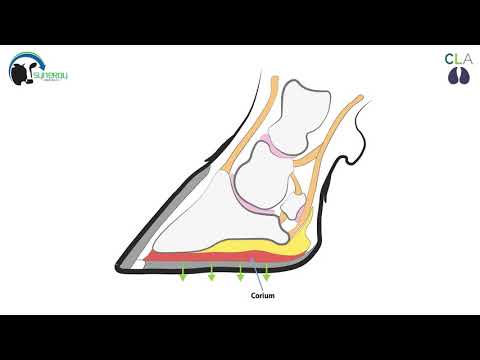
So what are the hooves made of? Cattle have cloven hooves, which means they’re split into two parts called claws. Each claw has a hard outer layer known as the hoof wall, which is super important because it protects the inner structures. When hooves are strong and healthy, the cattle can walk around comfortably without pain or other problems.
Now, let’s break down why healthy hooves matter:
- Mobility: Cattle need to move around to graze and socialize. If their hooves are in bad shape, they’ll struggle to walk or stand for long periods.
- Weight Support: A cow can weigh anywhere from 1,000 to 2,000 pounds! That’s a lot of pressure on those little feet. Strong hooves help evenly distribute that weight.
- Disease Prevention: Healthy hooves can prevent conditions like laminitis, which is basically when the hoof gets inflamed and super painful.
- Nutritional Efficiency: Cows with good hoof health tend to graze better and consume more food efficiently, leading to improved growth rates or milk production.
You know what’s kind of sad? Many times we don’t realize how essential hoof care is until there’s an issue. I remember visiting a farm not too long ago where one cow was limping around. The owner hadn’t noticed until it became really bad. Turns out it was just an abscess under the hoof! They fixed it up at the vet’s, but that little incident highlighted how important it is to keep an eye on their feet.
Alright, so how do you keep these hooves in tip-top shape? Regular trimming helps because those claws can grow out too long if left unattended—think about how your nails might look after months without a haircut! Keeping their living area clean also plays a part; mud or wet conditions can lead to infections.
In short, focusing on hoof care isn’t just about aesthetics; it’s vital for overall well-being. When cattle have well-developed hooves, it’s like giving them top-notch sneakers for running around—better performance and happier cows!
Understanding the 90-90-90 Rule for Cattle Lameness: Implications for Veterinary Science and Animal Welfare
So, talking about the 90-90-90 Rule for cattle lameness—that’s a pretty neat concept, really! It helps us understand how to manage cattle hoof health. Basically, it suggests that if you can keep 90% of your cattle sound, with only 10% showing signs of lameness, and aim to have no more than 10% of those clinical cases developing into chronic issues, you’re doing great.
Now, it’s all about prevention and awareness. If most of your herd is healthy, it’s like having a safety net for the ones that aren’t. So how do you achieve these numbers? Well, let me break down some key points:
- Understanding Hoof Anatomy: Cattle hooves are complex structures. They consist of hard outer layers and sensitive inner parts. Knowing this anatomy helps in recognizing early signs of problems.
- Regular Inspection: Keeping an eye on cattle hooves is crucial! Routine checks can catch issues before they escalate.
- Nutritional Support: Good nutrition lays the foundation for hoof health. A balanced diet rich in vitamins and minerals strengthens their feet.
- Proper Environment: Wet or muddy conditions can worsen hoof problems. Dry and clean living spaces reduce the risk of lameness.
Let me share a quick story.
Once I was visiting a farm where the owner had just implemented regular hoof trimming schedules and noticed something amazing: not only did they see fewer lameness cases but their cattle were also more active and healthier overall. The energy in that barn was something else! You could almost feel how much happier those cows were.
So really, the implications for veterinary science are huge. By understanding this rule, vets can optimize treatment plans based on those numbers. This approach leads to better welfare standards for our bovine friends.
Moreover, raising awareness about hoof health among farmers and the public can foster better animal care practices overall. It’s kind of like looking out for one another—you know? And when we think about animal welfare holistically, every little bit counts!
In summary, keeping track with that 90-90-90 Rule isn’t just a number game; it’s about improving life quality for cattle while making their care easier for everyone involved!
The Scientific Significance of Hooves: Understanding Their Role in Animal Health and Evolution
So, let’s chat about hooves. Seriously! These things are super interesting and play a huge role in animal health and evolution. Animal hooves, like those of cattle, are more than just hard coverings for their feet; they’re a big deal when it comes to how animals move, interact with their environment, and stay healthy.
First off, what are hooves? Hooves are basically specialized structures made of a tough material called keratin—yeah, that’s the same stuff found in our nails and hair. They protect the sensitive inner structures of the foot and provide support while they walk or run. You can think of them as nature’s way of giving certain animals the perfect shoes for survival in various terrains.
Now, why do they matter for animal health? Well, hooves can say a lot about an animal’s well-being. A hoof that’s cracked or overgrown can lead to pain and lameness. Imagine if you were walking around with an injured foot; not fun at all! Healthy hooves contribute to overall mobility, allowing cattle to graze efficiently and escape from predators if needed.
- Hoof Shape: The shape impacts weight distribution. Cattle with well-formed hooves have better balance.
- Hoof Care: Regular trimming is essential; it prevents problems like hoof rot or sole ulcers.
- Nutritional Influence: What you feed them matters too! A balanced diet helps keep hooves strong and healthy.
You know, I remember visiting a farm once where the farmer was really into hoof care. He’d always check if his cattle had any issues with their feet because he knew it could affect everything—from how much milk they produced to how active they were. It was eye-opening to see how much he cared about these seemingly simple structures!
The evolutionary side is just as cool! Over time, different species have evolved unique hoof shapes depending on where they live and what they need to do. For instance, animals living in rocky terrains tend to have stronger and more compact hooves for better grip. On the other hand, those in softer environments might have wider hooves to help them navigate through mud without sinking too deep. Crazy right?
- Cattle vs Wild Species: Domestic cattle have different hoof adaptations compared to wild bovines due to selective breeding.
- Semi-aquatic Animals: Think about hippos! Their feet help them move in both water and land effectively.
This adaptability shows just how crucial these structures are not only for survival but also for thriving across various ecosystems. So next time you see cute cows grazing or running around a field, take a moment to appreciate their wonderful hooves!
Barely noticeable but incredibly significant—that’s what you get with these amazing adaptations! Understanding hoof anatomy isn’t just for farmers; it enhances our appreciation of evolution’s creativity in shaping life on Earth.
You ever think about the hooves of cattle? I mean, seriously, we see cows grazing in fields and all, but their feet are some kind of unsung heroes. When I was a kid, I spent a summer on a friend’s farm. One afternoon, we had to check on their cattle and, man, those hooves were something! They’re not just these hard things to stand on; they’re actually pretty complex.
So, let’s break this down. Cattle have split hooves – that means each foot has two parts called digits. This design is super cool because it gives them balance when they’re walking around or running. The outer part is made of a tough material called keratin – the same stuff in your nails and hair. It protects everything inside and keeps the cows from feeling every little rock they step on.
What’s intriguing is how these hooves can tell you so much about an animal’s health. If you notice something off with their hooves—like cracks or tenderness—it can point to bigger problems. You know? A cow with sore feet might not want to walk around or graze properly. And if they’re limping or favoring one leg, it can affect their overall well-being and even milk production.
Keeping an eye on hoof health isn’t just about comfort; it’s about understanding the animal’s needs and making sure they have a good quality of life. There are practices like regular trimming that help maintain hoof health. Imagine walking around with uneven shoes all day! Yeah, no thanks.
But it’s also about the environment they’re in—wet conditions can lead to issues like footrot, which isn’t just painful for them; it can spread easily among the herd too. So farmers really need to be vigilant.
In short, looking after cattle hooves might seem like a small detail in animal care but it’s super important! It reminds me of how often we overlook little things in our own lives that can make a big difference later on—like taking care of your feet or getting regular check-ups. Keeping those cows happy with healthy hooves? Now that’s something worth being mindful of!