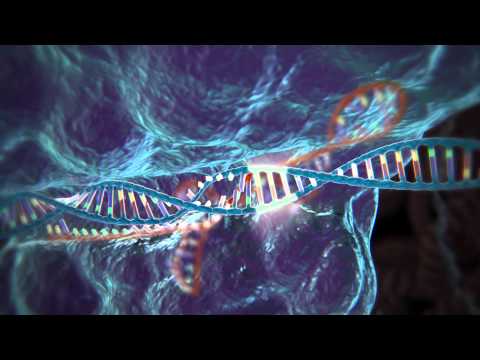
You know, not too long ago, scientists were like mad wizards trying to figure out how to change the DNA of animals. Seriously! I mean, it’s wild to think about how much we can mess around with genes now.
Remember that cartoon, “Lilo & Stitch”? Stitch was created from a mix of different species’ DNA. Well, today’s gene manipulation isn’t quite there yet, but we’re getting close. Researchers are using some super cool techniques that sound like something out of sci-fi.
Imagine being able to tweak traits in animals—like making a mouse glow in the dark or helping cows produce healthier milk. Sounds like fun, right?
All this gene stuff is not just about getting fancy pets or setting up a zoo with superheroes. It’s serious business for medicine and understanding diseases too. Let me tell you all about these advancements and why they’re shaking things up in the science world!
Exploring Genetic Modification Techniques in Animals: Innovations and Applications in Modern Science
So, let’s chat about genetic modification techniques in animals. This topic sounds super fancy, but the basics are pretty straightforward. We’re talking about ways scientists can change the DNA of animals to understand diseases better, create new therapies, or even improve food production. It’s like editing a recipe to get a tastier dish. But instead of flour and eggs, we’re working with genes.
CRISPR is one of the biggest names in this field lately. It stands for Clustered Regularly Interspaced Short Palindromic Repeats—yeah, it’s a mouthful! But basically, it’s a tool that allows scientists to cut and paste pieces of DNA much more easily than before. You know how you can take a sentence in your text message and rearrange it? That’s what CRISPR does with genes!
One cool application? Creating disease models. Researchers use CRISPR to make mice that have specific genetic mutations linked to human diseases like cancer or Alzheimer’s. Then they can study how these diseases develop and test new treatments on these mice first before trying them on people.
- The technology allows for precision. You can target specific parts of the genome rather than making random changes.
- It’s also fast and cost-effective, speeding up research significantly.
- This method can be applied not only in mice but also in larger animals like pigs, which are often used for organ transplants.
You might be wondering about ethical concerns. Well, there are quite a few debates flying around about this stuff! Some folks worry that tampering with animal genes could lead to unforeseen consequences or suffering—kind of like the butterfly effect where one small change leads to big things down the line. And that’s totally valid!
But here’s another interesting aspect: genetic modifications aren’t just limited to lab research! They are actively being used in agriculture too. For instance, scientists have developed genetically modified animals—like cows that grow more muscle or chickens resistant to certain diseases. This helps farmers decrease losses and produce more food efficiently.
- A great example is AquaBounty’s salmon, engineered to grow faster than regular salmon.
- This has led to debates about food safety and environmental impact as well.
You know what gets me? The mix of potential benefits along with ethical dilemmas keeps this field buzzing with discussion! Like I remember hearing my professor back in college talk passionately about how gene editing could save endangered species from extinction while others pointed out the risks involved in altering ecosystems!
A lot is happening here; it feels like living through a scientific revolution! These innovations bring tons of hope but also require us to think carefully about our role as caretakers of these living beings. It’s all about balancing progress and responsibility—and that feels pretty significant if you ask me!
So yeah, as we explore genetic modification techniques further, staying informed and engaged is crucial! The future holds so much promise; let’s just hope it aligns well with our ethical compass too.
Recent Advancements in Animal Biotechnology: Innovations Shaping the Future of Science
Animal biotechnology is a field that’s really making waves lately. You know how we’re always looking for ways to improve health, agriculture, and conservation? Well, advancements in gene manipulation techniques are driving some of the coolest innovations right now.
One big player in this world is **CRISPR-Cas9**, which sounds super technical but is essentially a tool that lets scientists edit genes with crazy precision. Imagine being able to cut and paste DNA like you would in a Word document! By using CRISPR, researchers can modify the genetic makeup of animals to study diseases or enhance certain traits. For instance, you could create mice that have specific mutations to mimic human diseases more accurately. It’s like having a mini lab assistant that helps us understand complex biological processes better.
Another technique gaining traction is **gene drive technology**. This one’s fascinating because it allows scientists to spread specific genetic changes throughout a population. Think of it as hitting the “fast forward” button on evolution. This could help control pest populations or even combat diseases like malaria by modifying mosquito genes so they can’t transmit the virus anymore. Pretty mind-blowing stuff when you think about it!
But it’s not just about disease research! Animal biotechnology is also reshaping agriculture. There’s been progress in creating livestock that are more resistant to diseases or have improved growth rates. For example, genetically edited pigs could be less susceptible to certain illnesses, which means healthier animals and potentially lower costs for farmers—and who doesn’t want that?
Let’s not forget about conservation efforts too. Some scientists are looking into genetic techniques as a way to save endangered species from extinction. By understanding their genetics better and possibly even introducing beneficial traits through gene editing, we might help bolster population numbers for species like the black-footed ferret or the northern white rhino.
But with all these amazing advancements come important ethical questions as well. It’s crucial to consider the implications of tinkering with animal genes and how it affects biodiversity or animal welfare. Balancing innovation with responsibility is something scientists are grappling with constantly.
In summary, advancements in gene manipulation techniques for animal research are exciting, offering solutions from health studies to agriculture improvements—and even conservation efforts! It’s an area where science feels dynamic and alive; who knows what the future holds? Just remember, while we’re pushing boundaries here, we’ve got a responsibility to tread carefully as we shape the future of our planet together.
The Advancements in Gene Editing Technology for Animal Biotechnology: Exploring CRISPR and Beyond
Gene editing, wow, it’s a game changer! You’ve probably heard about CRISPR, right? This tool allows scientists to change DNA with pinpoint accuracy. It’s like having a high-tech pair of scissors for genetic material. And it’s not just science fiction anymore; it’s happening right now in animal biotechnology.
First off, what is CRISPR? Well, CRISPR stands for *Clustered Regularly Interspaced Short Palindromic Repeats*. I know, sounds kind of complex. But basically, it’s a natural defense system some bacteria use to protect themselves from viruses. Scientists figured out how to harness this system and repurpose it for gene editing.
The beauty of CRISPR lies in its simplicity and efficiency. You can target specific genes and make changes fast! For instance, researchers have developed pigs that are resistant to certain diseases by altering specific genes. Imagine having livestock that don’t get sick as often—pretty amazing, huh?
Now let’s talk about some other advancements beyond CRISPR. There are techniques like **TALEN** (Transcription Activator-Like Effector Nucleases) and **Zinc Finger Nucleases** (ZFNs). Both are also used in gene editing but have their unique methods and applications. TALENs work by recognizing specific DNA sequences and cutting them, while ZFNs do something similar but use proteins that bind to DNA more directly.
Another cool fact: scientists are exploring ways to edit genes in embryos. This could help eliminate genetic diseases before they even surface! For example, researchers recently modified embryos in mice so they wouldn’t develop a certain type of muscular dystrophy.
But hold up—before we get too excited, there are ethical concerns we need to think about. You know how we feel about messing with nature? Some people worry about the potential consequences of gene editing on ecosystems or animal welfare. These discussions are super important because they help shape the future of gene technology.
In summary:
- CRISPR is a revolutionary tool allowing precise gene editing.
- Alternative techniques like TALEN and Zinc Finger Nucleases also offer valuable ways to manipulate genes.
- Editing embryos could prevent genetic diseases before they’re born.
- Ethical concerns play a huge role in how society will accept these technologies.
So there you have it! Gene editing technology is pushing boundaries in animal biotechnology like never before. And even though the future looks bright with all these advancements, we must tread carefully down this path as we explore new frontiers.
So, gene manipulation, huh? It’s like the ultimate sci-fi stuff made real. You know how you sometimes think about what it would be like if we could just change things—like making a cat talk or giving a dog super strength? Well, in the world of science, that kind of thinking isn’t so far off.
A while back, I watched this documentary featuring a scientist who was working with fruit flies. Yeah, fruit flies! They were manipulating genes to see how certain traits were passed down. It was mind-blowing! Those tiny creatures played a huge role in figuring out how genetics work for much bigger animals—and even humans. You realize that these little bugs can help us understand diseases and possibly even treatments? It’s wild to think how connected everything is!
Gene editing techniques like CRISPR have really taken center stage lately. Basically, it’s like having a pair of scissors that can cut DNA at specific spots. You can remove, add or change sections of an organism’s DNA. Just imagine! With this tool, scientists can create animals that model human diseases better than ever before. It’s like having a backstage pass to the workings of genetics.
But it also raises some ethical questions that make you stop and think. Like, where do we draw the line? Creating an animal with enhanced traits sounds cool and all; but should we go too far? The thought of potentially playing god with living beings is kinda heavy when you think about it deeply.
You know, while I’m all for advancing science and understanding life better, sometimes I feel a bit uneasy about the consequences down the line. What if those gene tweaks lead to unforeseen problems? Or what happens when we start messing around with ecosystems because we’ve created super animals?
Still, despite my reservations, I can’t help but feel excited about where this technology might take us in both medicine and conservation efforts! Genetic manipulation could help save endangered species or even reintroduce traits that are beneficial for survival.
Anyway, these advances make me wonder what other surprises are hiding in our genetic codes just waiting to be discovered. It’s definitely a fascinating journey we’re on—one that blends hope with complexity in ways that keep our scientists (and all of us) on our toes!