You know what’s wild? Your body has a whole army ready to fight off nasty stuff, and it’s not just about sneezing or fever! It’s called cell-mediated immunity, and it’s like the superhero squad of your immune system.
Imagine this: you’re at a party, and someone keeps trying to crash it. Your immune cells are like those bouncers at the door, checking IDs and making sure only the right folks get in. They’re intense, devoted, and they can really pack a punch when things get outta hand.
So, what does that mean for us? Well, our bodies face all sorts of invaders every day—viruses, bacteria, you name it. That’s where this whole cell-mediated immunity thing comes into play. It’s crucial for keeping us healthy and fighting diseases.
Let’s take a closer look at how these tiny warriors work their magic!
Understanding Cell-Mediated Immunity: The Body’s Defense Mechanism Against Diseases
So, let’s chat about cell-mediated immunity. You know, it’s like your body’s own little army fighting off invaders like viruses and bacteria. But instead of guns and tanks, this army uses cells to protect you. Pretty cool, right?
First off, what is cell-mediated immunity? Well, it involves various types of white blood cells called lymphocytes. The main players here are T cells. They get their name from the thymus – that little gland in your chest where they mature. And these guys are super important because they can recognize and attack infected or cancerous cells directly.
There are a couple of main types of T cells:
- Helper T cells: These guys are like the generals. They coordinate the immune response by signaling other immune cells to do their job.
- Cytotoxic T cells: Also known as killer T cells, they’re the frontline soldiers. They hunt down and destroy infected cells.
The neat part? Cells involved in this process can remember previous infections. It’s like they keep a mental note of which bad guys they’ve fought before! This memory helps your body react faster if those same invaders show up again.
Now, let’s talk about how all this works in real life. Imagine you catch a cold. When that pesky virus enters your body, it hijacks your cells to make copies of itself. But here come the hero T cells. They recognize the infected cells from how they look—it’s kind of like spotting someone wearing a shirt with an annoying logo at a party!
The helper T cells kick things off by signaling cytotoxic T cells to come join the party and take down those infected host cells. Once activated, killer T cells swarm in and start destroying anything that looks suspicious. Talk about teamwork!
You might be wondering why some people get sick more often than others despite having this super defense mechanism at play. Well, various factors come into play—age, stress levels, nutrition—these all affect how well your immune system works.
But what happens when everything goes wrong? Sometimes, our immune system gets confused and starts attacking healthy tissues instead of just the bad stuff—a bit like friendly fire! This can lead to autoimmune diseases where your own body becomes the enemy.
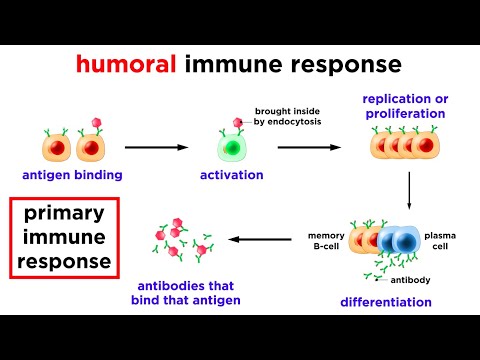
Another thing to note is that cell-mediated immunity doesn’t work alone; it collaborates with another piece of the immune puzzle called humoral immunity (which involves antibodies). Together they create a solid defense network that keeps you healthy.
So next time you think about getting sick or catching a bug, give some credit to your T-cells doing their thing behind the scenes! They’re just waiting for their moment to shine and protect you from harm every single day.
Understanding Cell-Mediated Immunity: The Science Behind Disease Resistance
Okay, so let’s talk about cell-mediated immunity. It might sound a bit technical, but really, it’s all about how your body fights off infections and diseases. We’ve got these tiny soldiers patrolling our system, and they play a huge role in keeping us healthy.
First things first, what is cell-mediated immunity exactly? Well, it mainly involves T cells, a type of white blood cell. Think of them like special agents on a mission. When an invader—like a virus or bacteria—shows up, these agents get activated. They don’t just sit around waiting for directions; they actively seek out and destroy those harmful intruders.
There are different types of T cells that each have their own roles. For example:
- Cytotoxic T cells are like the hitmen of the immune system. They hunt down and kill infected cells directly.
- Helper T cells are more like the sergeants. They assist by releasing substances that help other immune cells do their jobs better.
- Regulatory T cells are the peacekeepers. Their job is to make sure the response doesn’t go overboard and start attacking your own cells.
You know what’s wild? There’s this sense of teamwork happening here! For instance, when you catch a cold or something worse, your body has this army ready to react. First responders rush to the scene to identify the germs invading. These T cells remember past invaders too—kind of like a high school yearbook but for pathogens! This memory helps them respond even faster if they ever encounter the same bug again.
Anecdote time! So I once got really sick after traveling abroad; turns out I had picked up this nasty bug called malaria. My immune system kicked into gear with all these T cells working overtime. The whole experience was a reminder of how amazing our bodies are at fighting back—even when you’re feeling totally wiped out!
Your body doesn’t just rely on one type of immunity though; it works in tandem with B cell-mediated immunity. While T cells attack infected or cancerous cells directly, B cells produce antibodies that circulate in your bloodstream to neutralize threats more broadly. It’s like having both snipers and heavy artillery at your disposal.
The thing is, sometimes this intricate system can go haywire. Autoimmune diseases happen when a person’s immune system mistakenly attacks its own tissues as if they’re foreign invaders! So balancing cell-mediated responses is key for overall health.
A healthy lifestyle can help keep all these systems functioning properly too—think good food, exercise, and enough sleep. You want those little soldiers well-fueled for duty!
In summary, cell-mediated immunity is crucial for defending against diseases because it employs specialized warriors (T cells) that specifically target and eliminate infected or abnormal host cells while coordinating with other parts of the immune system to keep us safe from harm—and that’s something worth celebrating!
Understanding the Immune System: Its Critical Role in Defending Against Disease
The immune system is like your body’s personal army. Seriously! It defends you against all sorts of invaders, like viruses and bacteria that can make you sick. Let’s break down how this awesome system works, especially focusing on what’s called cell-mediated immunity.
So, first off, your immune system has two main branches: the innate and the adaptive immune systems. The innate system is like the first line of defense—it responds quickly to any threat, like a security guard at the door. But the adaptive immune system is where things get interesting, especially with cell-mediated immunity.
Now, cell-mediated immunity involves special cells called T cells. These guys are basically elite soldiers. They recognize infected or abnormal cells—like those pesky virus-infected cells—and they go after them directly. Let’s say you catch a cold. Your body starts producing T cells that specifically target the virus causing your sniffles.
But here’s where it gets a little nerdy but cool: there are different types of T cells!
- Cytotoxic T cells: These are the assassins of the group. They seek out and destroy infected cells.
- Helper T cells: Think of them as strategists. They help activate other immune cells by sending out signals that tell them to ramp up their defenses.
- Regulatory T cells: These guys keep everything in check. They ensure that your immune response isn’t too strong, which could lead to autoimmunity—where your body attacks its own healthy cells.
Here’s a relatable story: Imagine you’re at a party and someone accidentally spills punch everywhere (that’s kind of like a virus invading). The security guard (innate immunity) calls for backup (adaptive immunity). That backup includes your T cell troops who rush in to clean up the mess (eliminate the virus). If they do their job right, you avoid any major damage!
But sometimes things go wrong. Maybe those killer T cells don’t recognize what they should be targeting—or worse yet, they misidentify healthy tissue as an enemy because they’re just too hyped up from doing their job well! This can lead to autoimmune diseases like lupus or rheumatoid arthritis.
Also interesting is how our bodies remember past battles thanks to memory T cells. After an infection clears up, some T cells stick around as “memory” soldiers. If that same virus tries to invade again later on, these memory T cells jump into action much faster than the first time around.
So why does all this matter? Well, understanding cell-mediated immunity helps scientists figure out how vaccines work too! Vaccines essentially train your immune system by exposing it to harmless bits of pathogens—prepping those elite T cell forces for future encounters without actually making you sick.
In summary, having a solid grasp on how cell-mediated immunity operates gives us insights into disease defense strategies and aids in developing treatments and vaccines for various infections and autoimmune diseases alike. It’s pretty mind-blowing when you think about it—the way our bodies defend us is nothing short of extraordinary!
You know, when you think about the immune system, it’s pretty mind-blowing. Like, there’s this whole army inside us that’s constantly ready to defend against invaders. One of the coolest parts of this defense is something called cell-mediated immunity. It’s like the special forces of your immune response—kind of stealthy and super effective.
So, what exactly is cell-mediated immunity? Well, it’s mainly run by a type of white blood cell called T cells. These little guys are crucial for fighting off viruses and even some types of cancer. Picture this: when a virus sneaks into your body, it starts messing with your cells. T cells come along and recognize that something’s not quite right. They can directly attack infected cells or help other immune cells do their job more efficiently.
I remember a time when my friend got sick with a nasty infection. It was just so concerning to see how her body was struggling but also fighting back so hard at the same time. The way her immune system kicked in after she got sick was inspiring—like watching a movie where heroes emerge from nowhere to save the day! The whole process made me appreciate cell-mediated immunity even more because without those T cells, who knows how long it could take for her body to fight off that illness?
This kind of immunity plays an essential role in diseases beyond infections too. For instance, in cancer therapies, doctors aim to boost these T cells so they can better identify and attack tumor cells. It’s fascinating how our body has this built-in mechanism to help fend off various issues—from everyday colds to serious health threats.
But it’s not just about the action-packed stuff either; sometimes cell-mediated immunity can get a little too carried away and start attacking healthy tissues instead of just the bad guys! This misfire can lead to autoimmune diseases where our immune system mistakenly thinks our own body is an enemy.
So yeah, cell-mediated immunity is incredibly intricate and powerful. It’s like this complex dance involving different players working together so our bodies can keep us healthy and strong against numerous threats out there. When we learn more about how it all works, we gain insights not just for treatments but for taking care of ourselves better overall. How amazing is that?